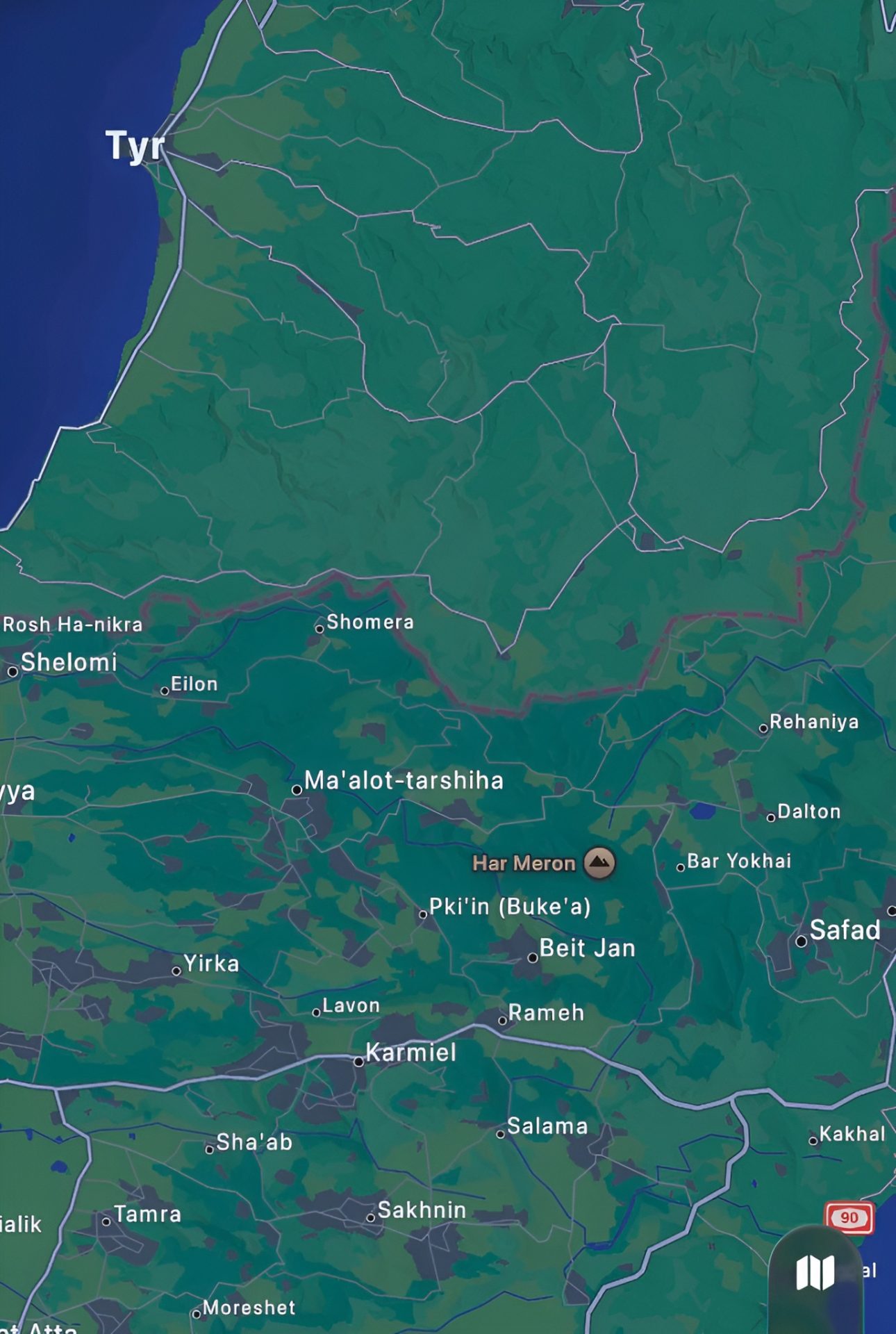
A surprising Apple Maps change this weekend has sparked alarm and speculation after users noticed that many place names across southern Lebanon appear to have disappeared. In screenshots shared on X, labels for towns and villages in south Lebanon are largely missing, while nearby locations in Israel and Syria remain clearly identified.
The effect is striking: on Apple Maps, the region looks almost “blank,” creating what some observers are calling a virtual depopulation of south Lebanon. The concern isn’t just cosmetic. Removing or hiding place labels can influence how people perceive an area—especially during a fast-moving conflict—by making communities and population centers harder to identify at a glance.
Side-by-side comparisons with Google Maps add to the controversy, as Google’s map view continues to display the same towns and village markers in the area. That contrast has fueled questions about whether Apple Maps is experiencing a data issue, a moderation or labeling decision, or something more serious.
Why does this matter right now? Southern Lebanon has been the scene of intense clashes between Israel and Hezbollah, and the intersection of mapping and geopolitics has long been sensitive. With some Israeli officials publicly discussing the possibility of extending control in the region up to the Litani River, critics argue that erasing place names—intentionally or not—could be interpreted as diminishing the visibility of Lebanese communities and, in the worst-case framing, lending implied legitimacy to territorial claims.
At this stage, the cause remains unclear. One possibility is a technical error or a poorly timed data or labeling update. Another theory raised by observers is that a cyber incident could have affected map labels or regional metadata. Regardless of the explanation, the situation underscores the outsized real-world impact digital maps can have during conflicts, where borders, place names, and visibility carry political and humanitarian weight.
Apple has not been cited here as providing an explanation in the provided content, but the implications are significant: any major mapping platform has a responsibility to avoid actions—deliberate or accidental—that could be seen as undermining internationally recognized borders or obscuring civilian population centers during active hostilities.
Developments are still unfolding, and attention is likely to remain high until there’s clarity on whether the missing labels in south Lebanon were caused by an error, an external interference event, or a policy-driven mapping change.