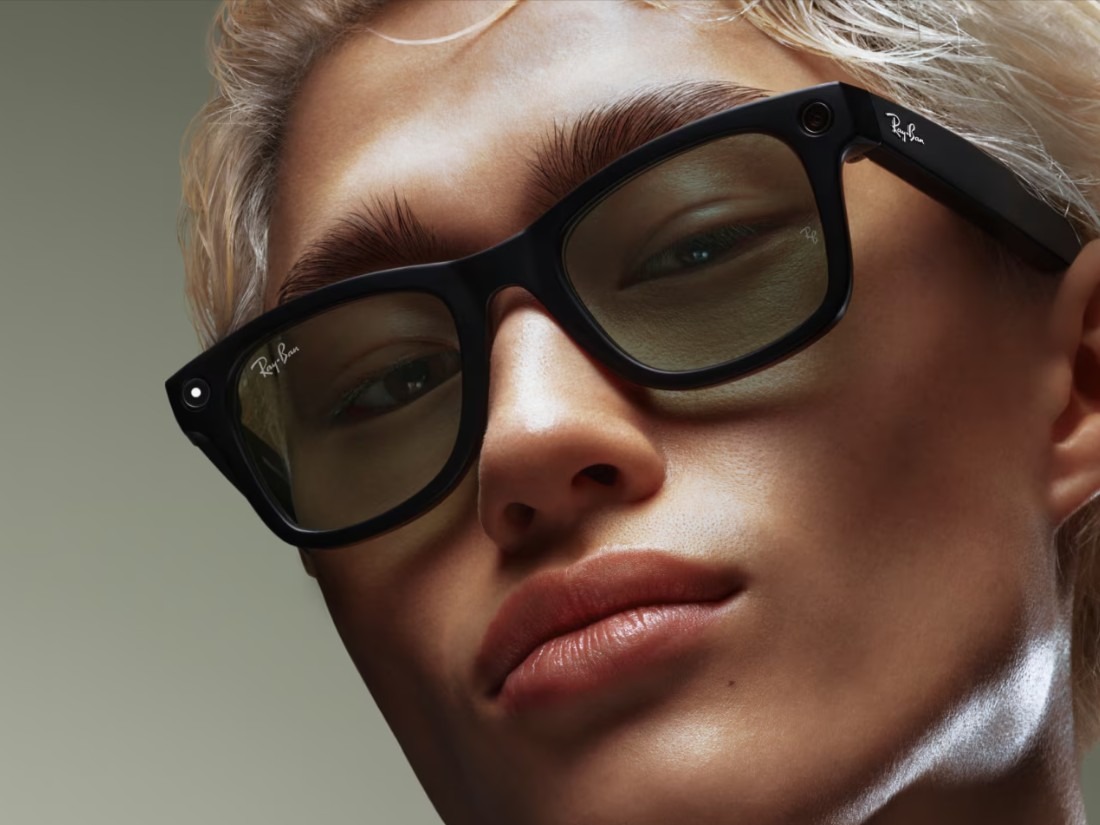
Apple is reportedly reshuffling its wearable strategy, hitting pause on a planned Vision Pro overhaul to fast-track AI-powered smart glasses. The move reflects a broader shift toward lighter, everyday wearables as consumer interest coalesces around camera- and voice-first glasses.
According to reports, staff once assigned to the Vision Pro redesign (code-named N100 and previously targeting a 2027 release) are being reassigned to the smart glasses program. The roadmap now centers on two distinct products designed for different use cases and timelines.
The first model, known internally as N50, is positioned as a companion device. It won’t include a built-in display and will rely on a connected iPhone for processing. Apple is aiming to unveil this version as soon as next year, with a potential market debut in 2027.
In parallel, Apple is accelerating a more advanced pair of glasses that integrate their own display. Originally penciled in for around 2028, development has been sped up to compete directly with display-equipped smart glasses that have begun entering the market.
This pivot follows a muted consumer response to the original $3,499 Vision Pro. Internally, the headset has been labeled too heavy, overengineered, and too expensive for mainstream adoption, prompting Apple to reposition it more toward business and enterprise users.
Where the glasses go next will hinge on Apple’s AI. The upcoming devices are expected to lean heavily on Apple Intelligence and a rebuilt Siri as the primary, hands-free interface—reportedly scheduled to roll out in early March. On the hardware side, the glasses are said to feature a custom Apple chip, onboard cameras for media capture, and robust voice controls, signaling a push to make glasses the company’s next mass-market wearable.
Key takeaways:
– Vision Pro redesign (N100) is paused as resources shift to smart glasses.
– Two tracks are in development: N50 companion glasses without a display, and a more advanced model with an integrated display.
– N50 could be unveiled as soon as next year, with a potential release in 2027; the display-equipped model is being accelerated from its original 2028 timeline.
– The strategy centers on Apple Intelligence and a revamped Siri for voice-first interaction, plus a proprietary chip and camera system.
If Apple sticks the landing, these AI-centric glasses could do for everyday wearables what wireless earbuds did for audio—deliver useful, hands-free functionality that feels natural to use, without the bulk or price of a full-blown headset.