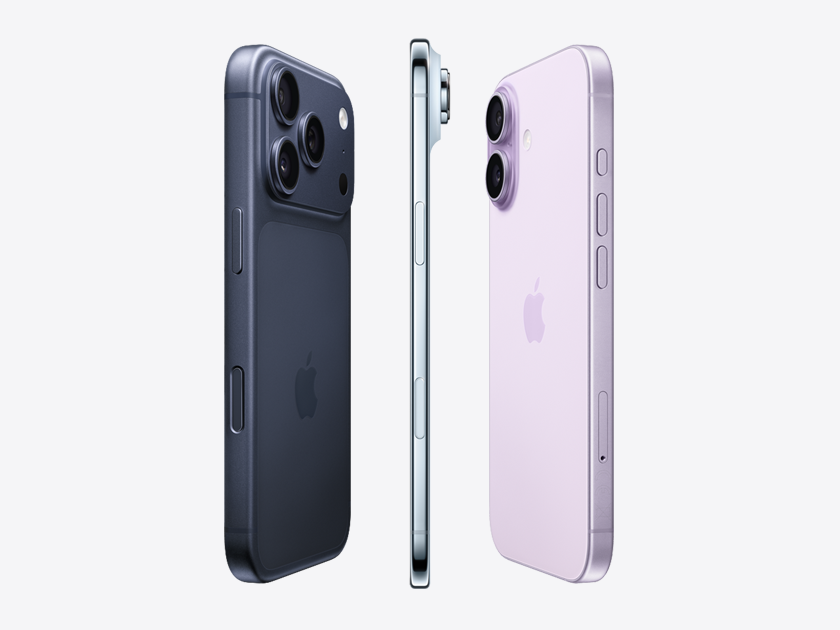
Google just threw a curveball at the smartphone world: seamless file transfers between Android and iPhone using Quick Share and AirDrop. The feature is currently rolling out on the Pixel 10 series, but it clearly sets the stage for broader Android support. The twist is what’s making headlines—Google made it work without Apple’s involvement.
That unilateral move puts pressure on Apple in a big way. Reports suggest the company is not thrilled and is exploring ways to shut down the Quick Share–AirDrop bridge. But doing so could trigger a fresh PR storm and potentially escalate into the kind of regulatory fight Apple wants to avoid. After all, the RCS saga showed how public pressure can eventually force policy shifts, even in areas Apple controls tightly.
Why this matters
– It solves a longstanding pain point: fast, direct, cross-platform file sharing between Android and iPhone.
– It challenges Apple’s ecosystem lock-in by making everyday tasks more platform-agnostic.
– It sets up a test case for regulators, especially in the EU, who are increasingly focused on interoperability.
The regulatory backdrop makes Apple’s next move particularly delicate. The European Commission has already pushed through big changes, from USB‑C on iPhones to opening the door for alternative app stores on iOS. If the AirDrop–Quick Share link is framed as a consumer-friendly interoperability feature, attempts to block it could invite scrutiny and potential penalties under digital market rules.
Google’s strategy here looks calculated: deliver a real, visible benefit to users while forcing its rival to choose between allowing it or risking negative headlines and regulatory interest. Even if Apple can technically disrupt the connection, the optics might not be worth it.
What to expect next
– Wider Android rollout: Pixel 10 is just the start; expect more Android devices to gain compatibility as Google refines the feature.
– A cautious Apple response: rather than an outright block, Apple may try quiet technical changes or lobby for rule interpretations that favor its ecosystem.
– More pressure for cross-platform standards: as with RCS, once consumers experience smoother interoperability, it’s hard to go back.
Bottom line: Google has flipped the script on cross-platform sharing, and Apple is on the clock. Whether this becomes a new normal or a short-lived standoff will depend on how far Google pushes the rollout—and how far Apple is willing to go to stop it in the face of public sentiment and European regulators. For users, the message is simple: effortless Android-to-iPhone file transfers are no longer a fantasy, and that could reshape expectations across the mobile industry.