Apple vs. Google on AirDrop: Why cross-platform sharing might stick around
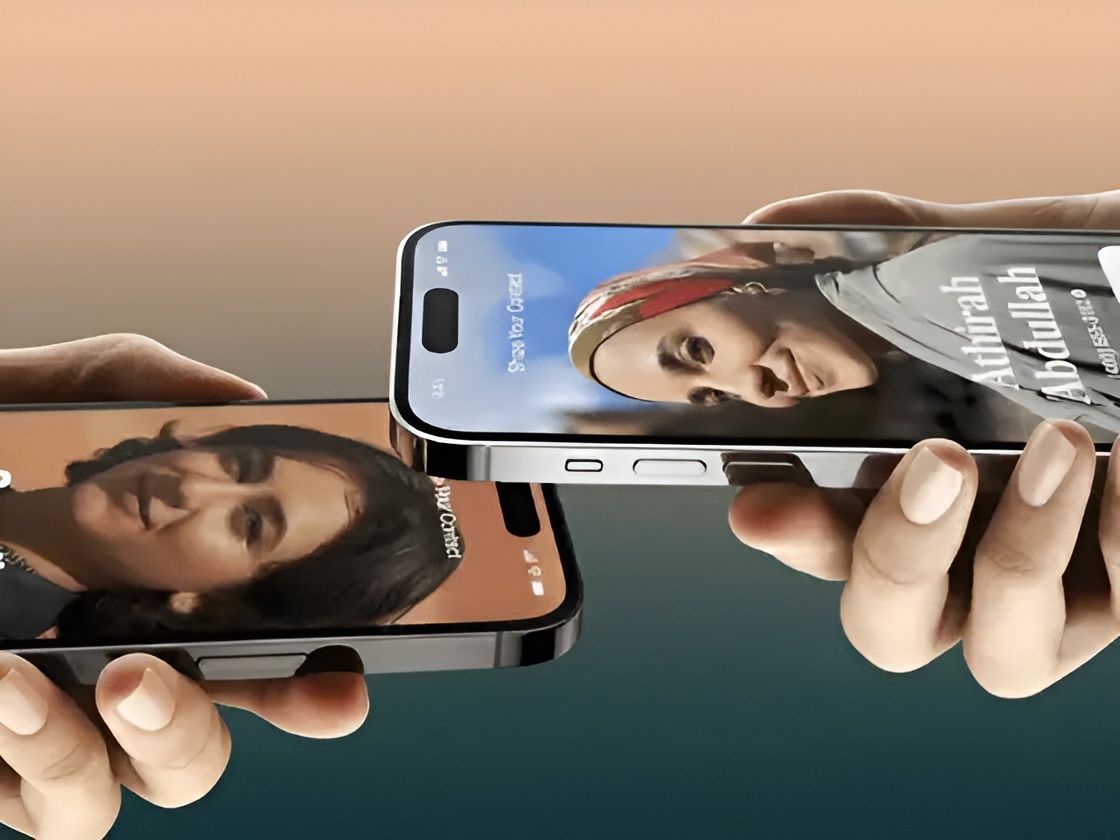
Google has pulled off something many iPhone and Android users have wanted for years: it reverse engineered Apple’s AirDrop so it can talk to Android’s Quick Share on Pixel 10 devices. The result is seamless file transfers between iPhones, iPads, and select Android phones without clunky workarounds. Apple isn’t likely thrilled about a rival slipping past its ecosystem barricades, but there are compelling reasons the company may leave this newfound compatibility alone—for now.
How Google made AirDrop and Quick Share play nice
AirDrop is powered by proprietary tech, but it rides on open standards like Bluetooth and Wi‑Fi Direct. According to industry reports, Google didn’t collaborate with Apple to make cross-platform transfers work. Instead, it engineered a compatible approach that allows Quick Share on Pixel 10 to exchange files with AirDrop users.
Security was a priority in Google’s implementation:
– Built with Rust, a memory-safe language that helps prevent entire classes of vulnerabilities at compile time.
– Put through internal threat modeling, privacy reviews, and red-team penetration testing.
– Validated by an external security firm, NetSPI, for additional assurance.
Apple could theoretically shut this down by changing the underlying communication methods AirDrop uses. But two powerful forces make that unlikely in the near term: Apple’s strategic reliance on Google’s AI and intensifying global antitrust pressure.
Apple’s AI ambitions tie it closely to Google
Reports indicate Apple plans to power a revamped, cloud-based Siri with a customized version of Google’s Gemini—described as a massive model with around 1.2 trillion parameters for handling complex requests. Apple is reportedly set to pay roughly $1 billion per year for access to this technology, building on an already deep commercial relationship in which Google is said to pay Apple about $20 billion annually to remain the default search engine in Safari and across Apple services.
Apple reportedly explored models from OpenAI and Anthropic before landing on a tailored Gemini for cloud processing under the company’s Private Cloud Compute framework. That suggests Google’s terms and technology hit the sweet spot for Apple’s roadmap. With such a critical pillar of Siri’s future tied to Google’s AI, picking a fight over cross-platform file sharing could be both risky and counterproductive.
Antitrust scrutiny makes blocking interoperability a bad look
Authorities worldwide are scrutinizing Apple’s control over its ecosystem more closely than ever:
– United States: Following the Epic case, Apple must allow access to external payment methods and permit Fortnite’s return. Ongoing disputes over commissions on external payments have prompted stern warnings from the court.
– European Union: Apple has been labeled a “gatekeeper” under the Digital Markets Act and is now required to permit third-party app stores. Revised terms in the EU allow eligible developers to pay lower fees.
– Australia: Epic is pressing for the right to sideload apps on Apple devices without commissions.
– China: A group of about 55 consumers filed an antitrust complaint alleging Apple maintains a monopoly over app distribution and payments in the country, while enabling third-party stores and alternative payments elsewhere.
In this climate, purposely breaking a cross-platform sharing solution that consumers clearly want could invite fresh regulatory headaches. It would also run counter to the broader trend of opening up key parts of the mobile experience.
What it means for users
For now, Pixel 10 owners can use Quick Share to transfer files directly with AirDrop users, bringing long-awaited convenience to mixed iPhone-Android households and teams. Apple can still change course, but its reliance on Google for AI firepower—and the glare of global antitrust oversight—makes an aggressive clampdown unlikely in the short term.
Bottom line: Cross-platform AirDrop-style sharing looks set to stick around, at least for now. If you’ve been juggling multiple devices or collaborating across mobile platforms, this is very good news.