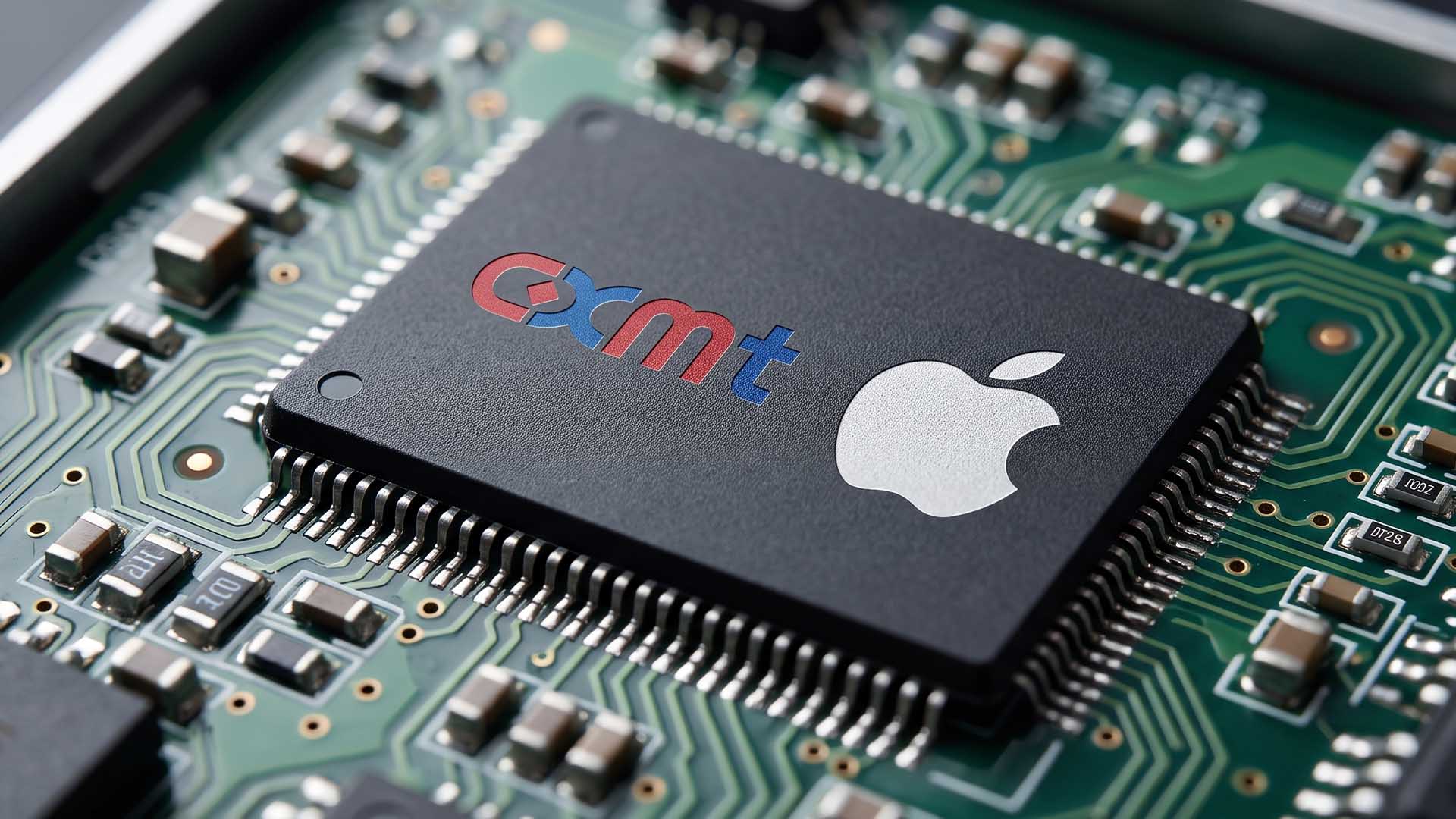
Apple reportedly tests CXMT DRAM as it explores new memory supply options in China
Apple is reportedly moving forward with testing DRAM chips from Chinese memory maker CXMT, a step that could eventually bring the company into Apple’s vast hardware supply chain. While no major purchasing deal has been confirmed, the testing phase suggests Apple is seriously evaluating whether CXMT’s memory products can meet its standards for performance, reliability, and manufacturing scale.
The move comes at a sensitive time. Apple has been working to manage political concerns in Washington around the use of China-sourced memory components, especially as CXMT remains under scrutiny in the United States due to alleged ties to China’s military sector. Reports indicate that Apple has been seeking clearance from U.S. officials to buy DRAM from CXMT, particularly for devices intended for the Chinese market.
Apple is also said to be discussing ways to reduce potential backlash if it sources memory from CXMT or YMTC for products sold in China. This would allow the company to localize part of its supply chain while potentially lowering exposure to geopolitical disruptions. However, the strategy is not without complications.
From a business standpoint, the case for using CXMT DRAM is not entirely straightforward. Much of CXMT’s production capacity is already tied up in long-term supply agreements. Its high-end DDR memory capacity, aimed largely at AI and data center applications, may not be especially useful for Apple’s consumer devices. Meanwhile, CXMT’s LPDDR memory supply, which is more relevant for smartphones, tablets, and laptops, is reportedly limited and priced similarly to chips from established suppliers such as Samsung, SK hynix, and Micron.
Another major limitation is that CXMT-made DRAM would likely be used only in Apple products sold within China. That means any near-term purchasing volume may remain relatively small compared with Apple’s global demand for memory chips.
Still, CXMT’s technology progress is becoming harder to ignore. The Chinese DRAM manufacturer is reportedly working toward advanced wafer-to-wafer hybrid bonding technology for next-generation bonded DRAM. This approach separates the memory cells and control logic onto different silicon wafers, then stacks and bonds them vertically through advanced packaging techniques.
If successfully commercialized, this technology could help increase memory density, reduce latency, and improve power efficiency. CXMT is reportedly testing the process on a pilot line in Hefei, China, with the goal of eventually producing high-density memory at scale. For Apple, gaining access to a supplier developing this kind of next-generation DRAM technology could offer long-term strategic value, even if immediate volumes are limited.
There is also a negotiation angle. By testing CXMT’s DRAM, Apple may gain additional leverage in price talks with its current major memory suppliers. Analysts have suggested that Apple could use CXMT as a bargaining tool when negotiating future contract prices with Samsung, SK hynix, and Micron, even if actual purchases from CXMT remain modest.
For Apple, supplier diversification has long been a key strategy. The company relies on a massive global supply chain, and adding another memory source could help reduce dependency on a small group of dominant DRAM makers. At the same time, the political risks surrounding China-based semiconductor suppliers make this a delicate move.
If Apple eventually approves CXMT DRAM for use, it would mark an important milestone for China’s memory chip industry and signal that CXMT is closing the gap with the world’s leading DRAM producers. For now, Apple’s testing appears to be an exploratory step, but it could have major implications for future memory sourcing, supplier negotiations, and the balance of power in the global semiconductor market.


