Apple’s possible move to source memory chips from China is quickly becoming one of the most closely watched technology and trade stories ahead of President Xi Jinping’s expected visit to the United States in September.
At the center of the debate are two Chinese semiconductor companies: CXMT, a rising DRAM maker, and YMTC, a NAND flash storage supplier. Apple is reportedly evaluating components from both firms as it looks for more flexibility in its supply chain, especially for devices sold inside China.
The potential arrangement has sparked attention in Washington because it sits at the intersection of consumer technology, national security, U.S.-China relations, and Apple’s ongoing effort to stabilize its global production network.
According to recent reports, Apple has been testing DRAM products from CXMT and NAND storage modules from YMTC. If the testing process goes well and political approval is granted, the two companies could eventually become part of Apple’s supplier base for China-market products.
That detail is important. Any memory chips Apple sources from Chinese companies would reportedly be used only in Apple products sold in China, not in iPhones, iPads, Macs, or other devices distributed globally. This would allow Apple to localize part of its supply chain for the Chinese market while potentially reducing pressure from supply disruptions and pricing uncertainty.
Still, the idea remains politically sensitive. CXMT has been associated with concerns in Washington because of its reported links to China’s military ecosystem and its presence on a U.S. defense-related blacklist. YMTC has also faced scrutiny in the past as the U.S. continues to monitor China’s ambitions in advanced semiconductor manufacturing.
Apple has reportedly been seeking clearance from the Trump administration to buy DRAM from CXMT. The company is also said to be working to limit political backlash if it moves forward with memory purchases from CXMT and YMTC.
During Apple’s latest earnings call, the company gave one of its clearest public hints that it is exploring additional memory suppliers. Apple said it is continuing to evaluate supply sources, noting that new options could help on the supply side and possibly on pricing, although the pricing benefit remains uncertain.
That statement fits into Apple’s broader strategy. The company has spent years trying to make its supply chain more resilient, especially after global chip shortages, pandemic-related production delays, and growing tensions between the U.S. and China exposed the risks of relying too heavily on a narrow group of suppliers.
For Apple, securing more memory supply inside China could offer several advantages. It may help the company meet local demand more efficiently, reduce logistical complexity, and strengthen its position in one of its most important markets. China remains a major revenue driver for Apple, even as competition from domestic smartphone brands continues to rise.
For China, the potential approval would be symbolically significant. Having companies like CXMT and YMTC enter Apple’s supply chain, even on a limited China-only basis, would represent a major validation of the country’s semiconductor progress. Apple is known for its strict quality, performance, and reliability requirements, so any supplier accepted into its ecosystem gains credibility.
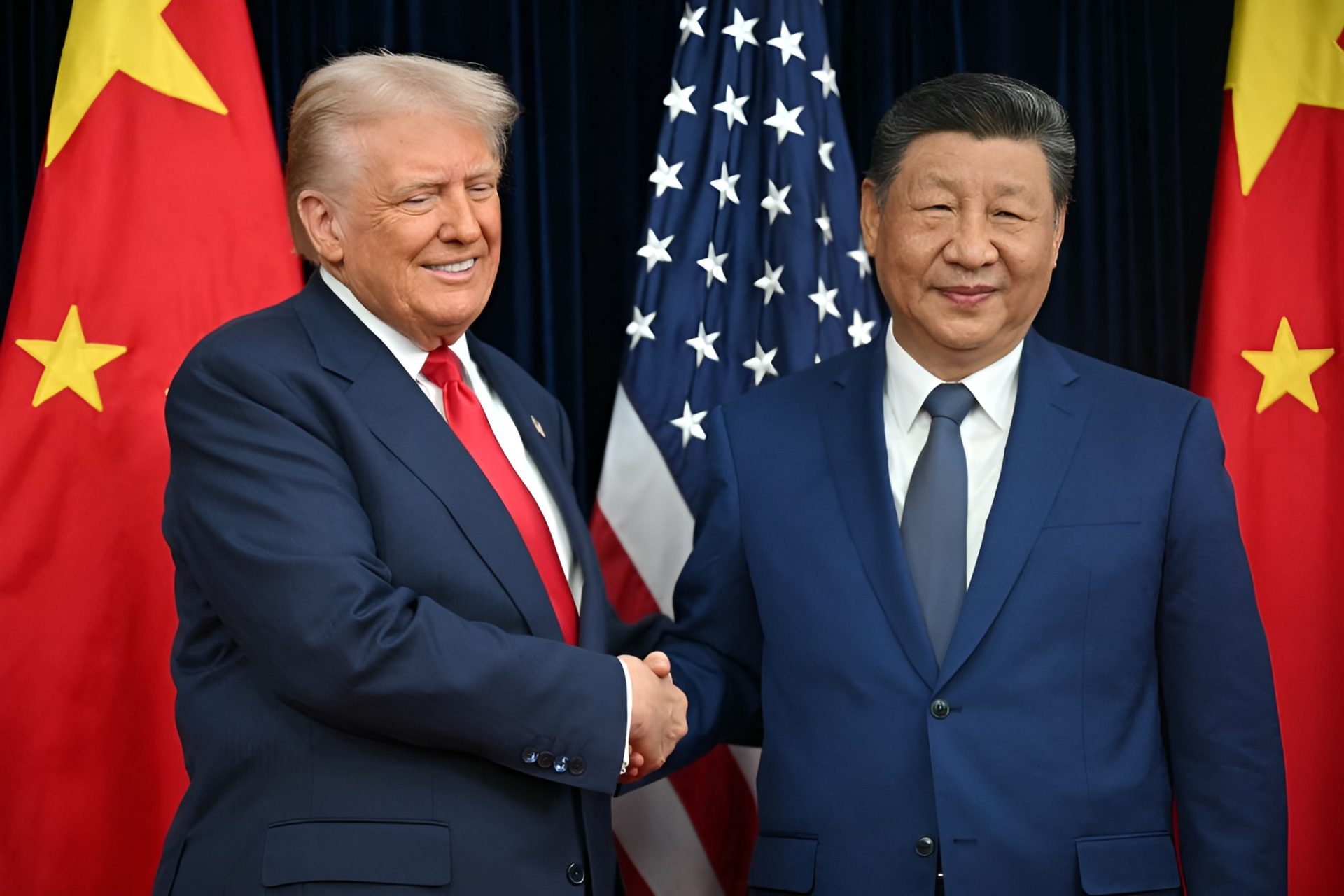
This is why the issue is being viewed as more than just a commercial procurement decision. Reports suggest the Trump administration may be preparing to allow Apple to use memory and storage chips from CXMT and YMTC, with a formal announcement possibly coming after a one-on-one meeting between Trump and Xi in September.
If that happens, the decision could be framed as a diplomatic gesture toward China while also giving Apple a practical solution to some of its supply chain challenges. In trade negotiations, technology access and supply chain approvals often become bargaining chips, and Apple’s proposed relationship with Chinese memory suppliers appears to be emerging as one such point of leverage.
However, there is still strong resistance in Washington. A group of U.S. lawmakers has reportedly urged Apple to abandon any plan to use China-sourced memory chips. They have also asked the company to confirm that it will not proceed with such purchases and to disclose whether any technical information has been shared with CXMT or YMTC.
The lawmakers’ concern is clear: they fear that cooperation between Apple and Chinese semiconductor firms could help accelerate China’s memory chip industry, especially if advanced technical standards, quality requirements, or operational knowledge are transferred through the supplier approval process.
Apple, on the other hand, appears to be approaching the matter from a supply chain and market-access perspective. The company faces intense pressure to maintain product availability, manage component costs, and remain competitive in China. Using Chinese memory chips in China-sold devices could be seen as a practical compromise that supports local production without affecting global product lines.
Even if the Trump administration gives Apple the green light, there are still business questions to answer. CXMT may not yet have enough production capacity to meet Apple’s DRAM needs at scale. Apple requires enormous volumes and extremely consistent quality, and ramping up to that level is difficult for any supplier.
There are also reports that CXMT has not offered Apple special pricing concessions. That could reduce one of the potential benefits of the partnership. If Apple does not gain a meaningful cost advantage, the main value of the deal may be supply diversification rather than lower prices.
For now, the situation remains fluid. Apple is evaluating its options, Washington is weighing the political implications, and Beijing would likely welcome any sign that Chinese chipmakers are moving closer to major global technology supply chains.
The outcome could have major implications for Apple’s China strategy, the future of Chinese memory chip companies, and the broader U.S.-China technology rivalry. If approved, Apple’s use of CXMT DRAM and YMTC NAND storage would mark a notable shift in the global semiconductor landscape, even if the chips are limited to devices sold within China.
As September approaches, all eyes will be on whether this potential approval becomes part of a broader diplomatic package between Washington and Beijing. For Apple, the decision could offer more supply chain flexibility. For China, it could be a milestone for its domestic chip industry. For U.S. policymakers, it remains a difficult question of balancing business interests, trade diplomacy, and national security concerns.