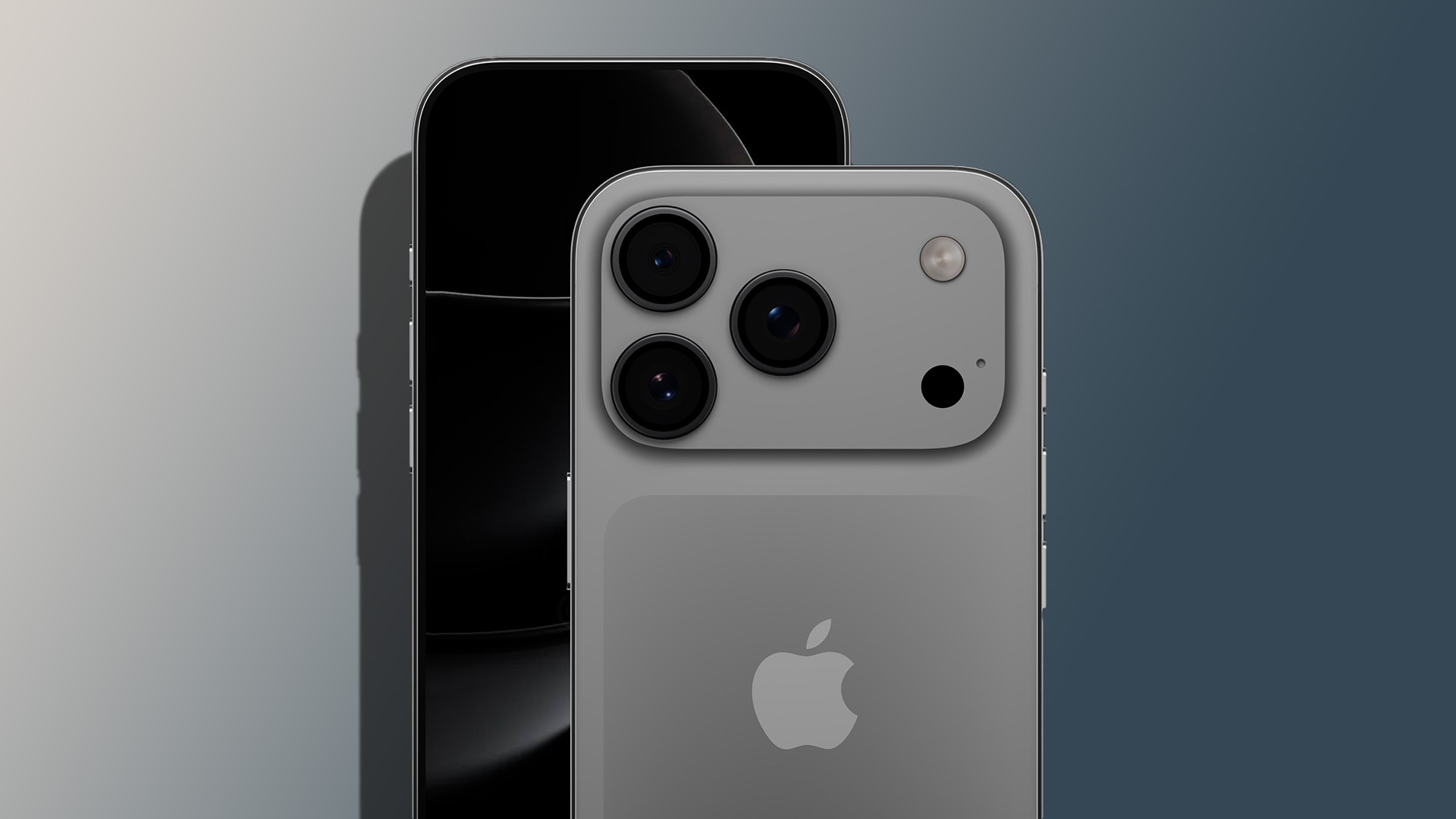
iPhone 17 prices were always likely to climb, and early estimates suggest the jump could reach as high as $200 over the iPhone 16 series. Two big reasons are driving the squeeze: renewed tariff pressures and rising component costs, especially for memory. To keep the bill of materials in check and preserve margins, Apple has expanded its supplier roster for the iPhone 17 family—particularly for DRAM and NAND—bringing more competition to the table and, with it, better pricing leverage.
A recent Citi analysis shared on social media breaks down how Apple is spreading orders across five manufacturers for memory. For DRAM, Samsung holds the largest share at 37 percent, followed by SK hynix at 33 percent and Micron at 30 percent. On the NAND flash side, Apple is adding SanDisk and Kioxia to the mix, with Kioxia leading at 35 percent, and SK hynix at 30 percent. The strategy is straightforward: diversify suppliers to counter higher memory prices and hedge against geopolitical risks that can ripple through the supply chain.
SK hynix has been increasingly competitive, often credited with a technical edge in memory that can translate into favorable pricing at scale. That makes the company a key player across both DRAM and NAND orders. Samsung’s role is equally pivotal. Beyond memory, the company is poised to deliver millions of LTPO OLED panels for the iPhone 17 Pro and iPhone 17 Pro Max, underscoring how central it is to the display pipeline as Apple targets premium brightness, efficiency, and smooth refresh rates.
This multi-vendor approach does more than protect Apple’s bottom line. It helps stabilize supply, reduce lead-time risk, and potentially soften the blow of price hikes for consumers. With the iPhone 17 lineup slated to debut at the September 9 “Awe Inspiring” event, final pricing is just around the corner. What’s clear already is the playbook: broaden supplier participation, squeeze costs where possible, and keep the flagship experience intact even as tariffs and component inflation mount.
For buyers, that could mean more resilient availability and better value across storage tiers, despite an overall higher starting price. And for Apple, it’s a way to balance performance upgrades—faster memory, advanced OLED panels, and next-gen features—against a tougher cost environment, all while striving to keep the iPhone 17 series competitive in a crowded premium market.