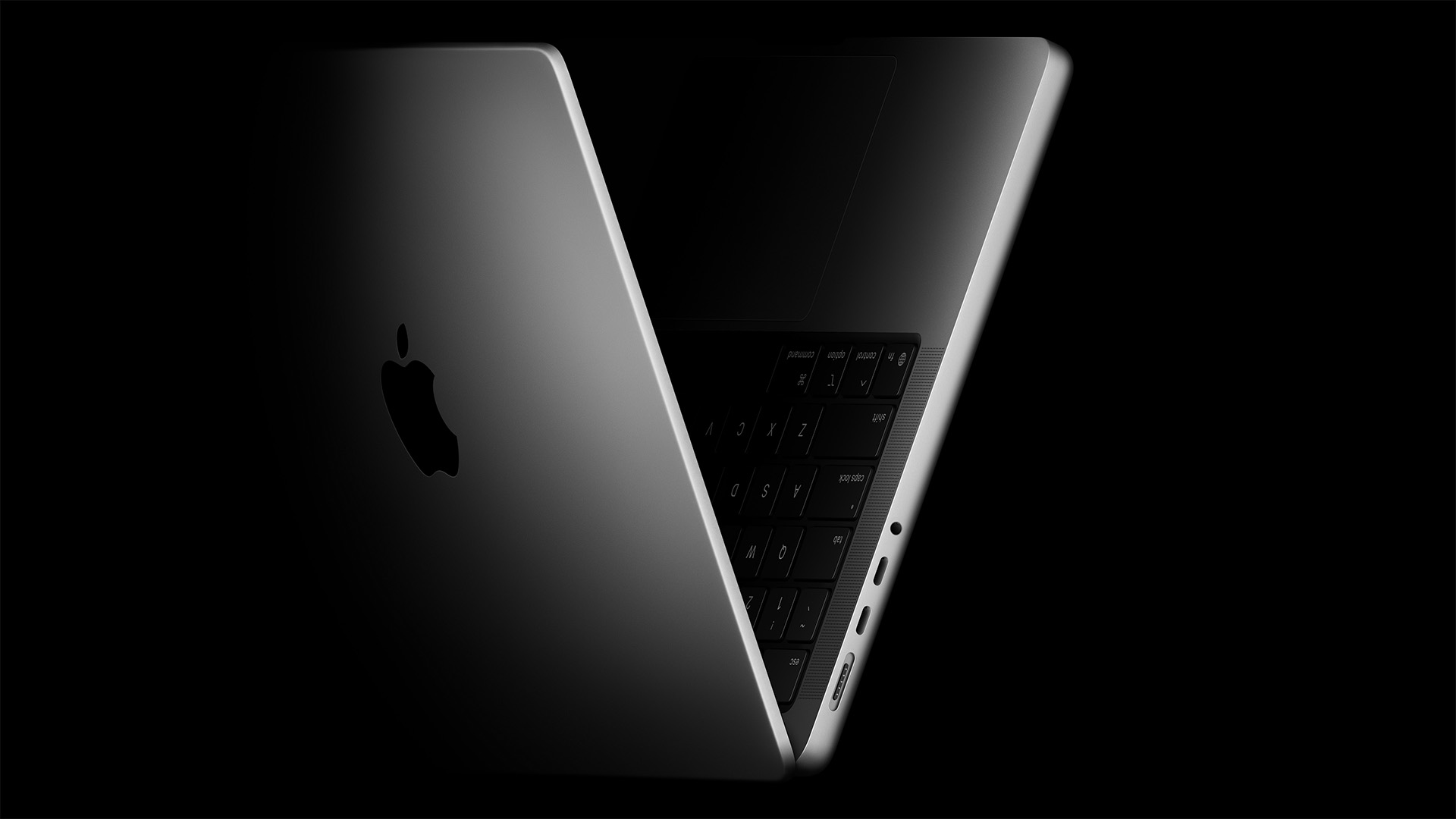
Apple’s refreshed 14-inch and 16-inch MacBook Pro lineup arrives with an upgrade many users have been asking for: more built-in storage right from the start. With the new M5 and M5 Pro MacBook Pro models now shipping with a 1TB SSD as standard, the days of constantly juggling files, leaning on cloud storage to free up space, or getting “storage almost full” warnings after a few big app installs should be far less common.
The catch is that this higher baseline capacity isn’t a free gift. Apple has effectively priced the change as a $100 step up rather than simply keeping pricing identical to previous base configurations. Still, compared with how storage upgrades have traditionally been priced, it’s a noticeably less painful move for anyone who wants more room without jumping through expensive configuration hoops.
In previous generations, moving from 512GB to 1TB could cost buyers around $200. Now, the base M5 MacBook Pro is listed at $1,699, reflecting a $100 increase while also doubling the typical entry storage to 1TB. The same standard storage bump applies to the M5 Pro versions as well, which is especially meaningful for people buying higher-end models for pro workflows like video editing, software development, music production, and large photo libraries.
This shift also helps avoid an awkward situation buyers often face when shopping across different configurations and sellers: premium specs paired with surprisingly limited storage. It’s not hard to fill 512GB quickly today, particularly once you factor in creative apps, project files, games, local backups, and media. For many users, 1TB is the first tier that feels comfortable long-term without constant housekeeping.
And if you’re stepping up to Apple’s top portable chip tier, the storage baseline climbs again. The M5 Max model reportedly begins with 2TB, which helps soften the sting—at least on paper—of its lofty $3,599 starting price. While that’s still a huge investment, it’s harder to argue with having genuinely roomy storage included out of the box.
The storage upgrades don’t stop with the MacBook Pro line, either. Apple has also expanded the baseline capacity on the M5 MacBook Air series, which now starts with 512GB instead of 256GB. That change alone could be a big deal for students, everyday users, and anyone buying an Air expecting it to last several years. Modern macOS features, apps, and media collections can make 256GB feel cramped surprisingly fast.
Yes, buyers are still effectively paying a $100 premium in these refreshed models, and not everyone will be thrilled about that. But in the context of Apple’s history with storage pricing, it could have been more aggressive. The more consumer-friendly angle here is that Apple appears to be using the moment to strengthen the value of its base models rather than charging steep upgrade fees immediately after purchase.
Industry analyst Ming-Chi Kuo has suggested Apple is in a position where it doesn’t necessarily need to pass higher DRAM costs directly onto customers—something that could give the company an edge at a time when components and pricing pressures are affecting much of the wider laptop market. Apple’s Services business, which brings in massive revenue, may also provide enough buffer to keep hardware price increases from climbing too sharply.
For customers, the headline is simple: more storage as standard across key MacBook models, fewer compromises, and less immediate pressure to pay big money just to get a reasonable amount of space. For anyone who has been holding off because base storage felt too tight, this generation may finally feel like Apple is meeting modern expectations.