Apple recently faced a significant setback in its augmented reality (AR) endeavors, following reports of a scrapped project for lightweight AR glasses. These glasses, anticipated to rival stylish wearables like Ray-Ban’s Meta Smart Glasses, aimed to provide an unobtrusive, everyday AR experience. Envisioned to connect seamlessly with an iPhone via a wired link, they were intended to deliver powerful processing capabilities without the need for a separate battery. Additional planned features included built-in speakers, microphones, and smart displays within the lenses to present contextual information about real-world objects.
However, reality did not align with expectations. Initial prototypes for the glasses encountered several technical hurdles. One of the major challenges was rapid battery depletion of the iPhone when using the glasses, coupled with insufficient processing power to support all projected features. In pursuit of solutions, Apple explored developing a version compatible with Macs, yet this too failed to impress Apple’s leadership, ultimately leading to the project’s termination.
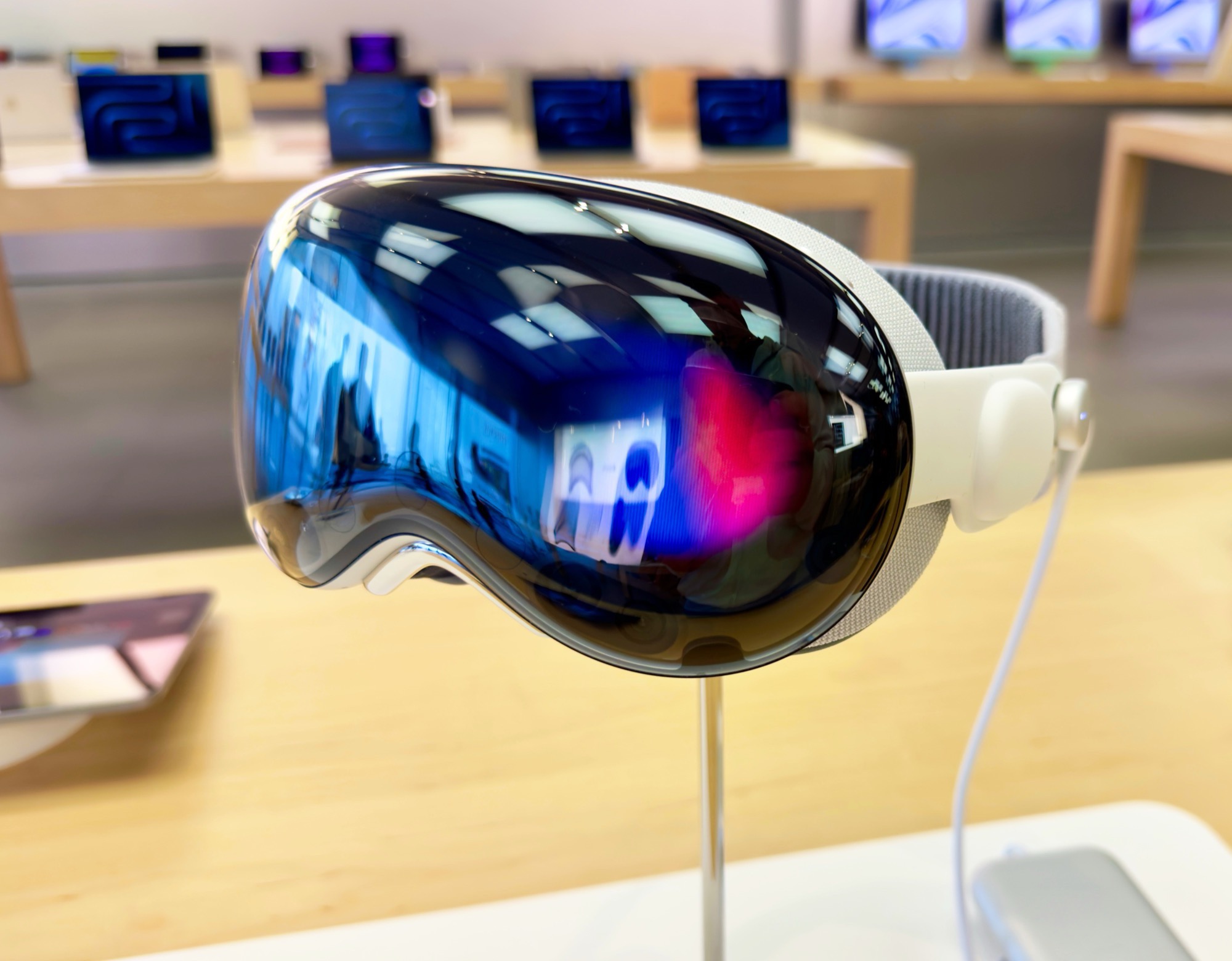
Despite this setback, Apple remains undeterred in its pursuit of perfecting AR technology. The company continues to invest in developing advanced technologies such as microLED panels for potential future glasses that function independently of an iPhone or Mac. Alongside these efforts, Apple is advancing work on a second-generation Vision Pro mixed reality headset and innovative AirPods featuring integrated cameras that might deliver AR functionalities and gesture controls.
The tech giant confronts ongoing challenges, particularly with the underwhelming performance of the Vision Pro headset in the market. High pricing and limited user engagement are seen as primary factors behind its lukewarm reception. In response, Apple is seeking new ways to expand the utility and appeal of the Vision Pro to enhance user experience and boost sales.
The Vision Products Group, while currently facing morale challenges, is pushing forward with their ambitious roadmap, aiming to revolutionize how consumers interact with augmented reality technology in the future.


