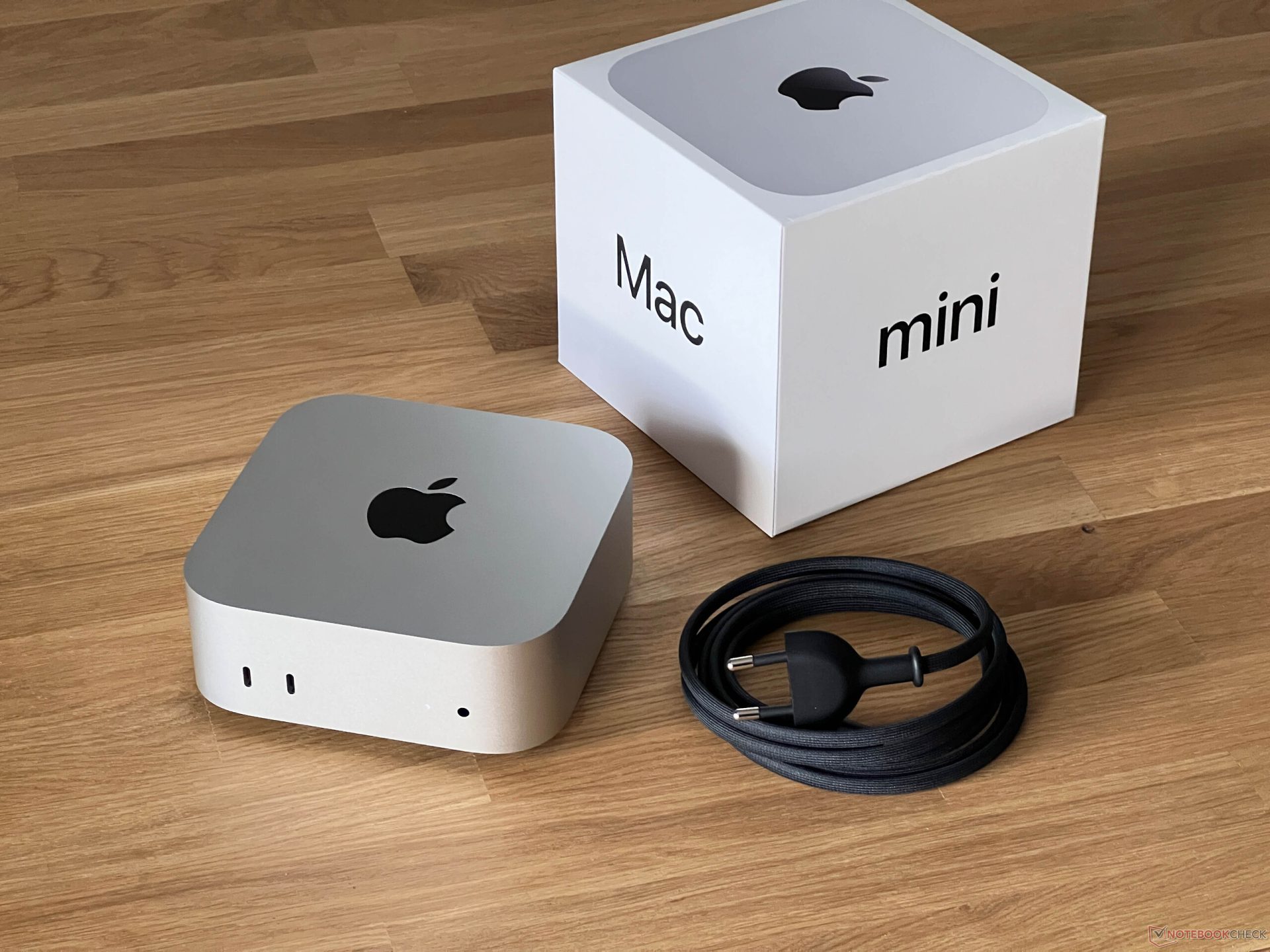
Apple’s entry-level Mac mini appears to have quietly reached the end of the road. The base configuration, previously priced at $599 and built around the M4 chip with 16GB of RAM and 256GB of storage, has been removed from Apple’s online configurator across the U.S. and several other major markets. That move follows reports that Apple had already stopped accepting new orders for the model last week, signaling that the change isn’t temporary.
For buyers, this effectively narrows the starting point of the Mac mini lineup. The higher-tier Mac mini powered by the M4 Pro remains available, and it’s not impacted in the same way partly because it already starts with 512GB of storage. But anyone hoping to grab the most affordable Mac mini option now has fewer choices, especially at a time when demand for compact, high-performance Macs is rising.
The timing lines up with Apple’s own recent comments about supply pressure. During its latest earnings call, the company acknowledged that it could take several months for Mac Studio and Mac mini supply to catch up with demand. Apple pointed to “agentic AI” and growing interest in AI-driven workflows as a key reason these products are seeing heightened demand—particularly among users looking for capable machines that can run edge AI workloads locally.
Apple also addressed what’s actually causing the bottleneck. Rather than a straightforward memory shortage, the company indicated that constrained capacity for advanced chipmaking processes is playing a larger role. In other words, limited availability of cutting-edge manufacturing at its chip supplier is putting pressure on how quickly Apple can produce and ship certain Mac configurations.
At the same time, memory pricing is becoming a growing concern. Apple expects memory costs to rise substantially in the June quarter, and the company signaled that the impact could increase beyond that period as well. That kind of cost inflation can affect margins, pricing strategies, and product configurations—especially for models positioned as “base” or entry-level options.
These supply-and-demand dynamics are already showing up in the broader market. Some high-end Mac Studio configurations, particularly models with 512GB storage in certain setups, have reportedly appeared on resale sites at extreme markups, reflecting how scarce desirable configurations can become when availability tightens.
Another factor adding urgency is what may be coming next. Inventory of M4-based Mac mini units is already described as limited, and Apple is widely expected to introduce an M5-based Mac mini as soon as this summer. If that refresh is close, discontinuing an entry-level SKU now could be a way to streamline production, manage component costs, and transition the lineup ahead of the next generation.
For shoppers, the takeaway is simple: the cheapest Mac mini option is no longer easy to find through official channels, and availability for remaining models may stay tight for months. If you’re shopping for a Mac mini for AI development, creative work, or a compact desktop setup, it may be worth acting sooner rather than later—especially if you’re trying to avoid inflated pricing and limited stock.