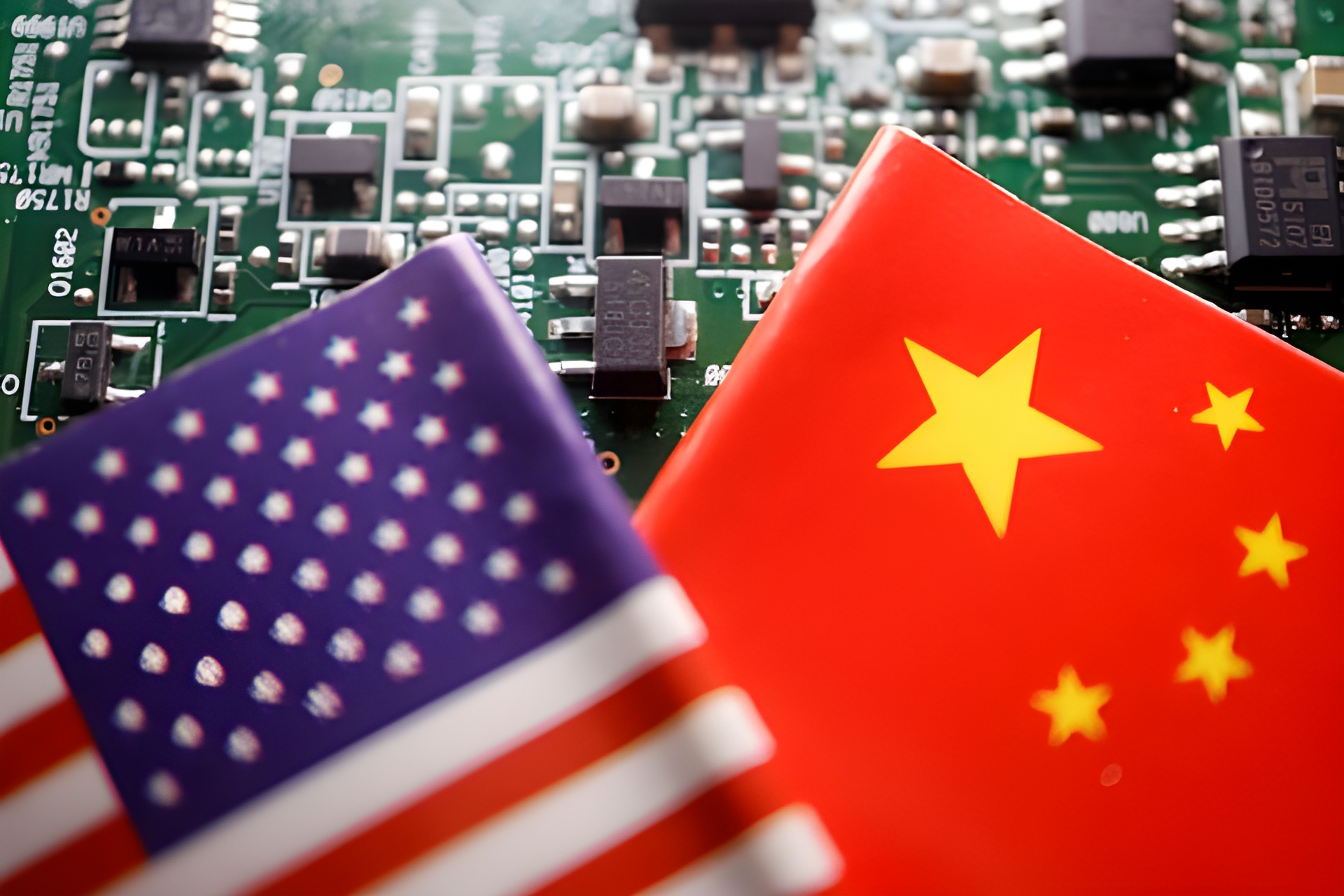
Google-CXMT Memory Chip Rumor Faces Pushback as Analyst Says No Firm Deal Is in Place
Speculation around a possible memory chip supply deal between Google and China’s CXMT has cooled after noted analyst Ming-Chi Kuo pushed back against recent market chatter. According to Kuo, Google currently has “no concrete plan” to buy memory chips from CXMT, casting doubt on the likelihood of a near-term agreement.
The rumor gained attention after an account known as SouthernValue claimed that Google was evaluating the possibility of sourcing DRAM chips from CXMT. The suggestion quickly attracted interest because of the growing pressure on major technology companies to secure memory supply for artificial intelligence hardware, data centers, and next-generation computing platforms.
However, Kuo’s latest industry checks suggest that the situation is far less advanced than some observers believed. His wording is important: he did not say Google had never looked at CXMT or that talks were impossible, but rather that there is no firm procurement plan at this stage.
SouthernValue later responded by emphasizing the difference between having a “concrete plan” and merely “evaluating” a potential supplier. The account clarified that the information came from an executive within the server supply chain, suggesting that the original claim may have referred to early-stage consideration rather than an active purchasing agreement.
If Google ever does move forward with CXMT memory chips, the decision could be tied to its future AI chip ambitions. The company is reportedly preparing large-scale production plans for its next-generation TPU hardware, with targets said to reach millions of units by the end of 2028. Such a massive AI infrastructure push would require reliable access to high volumes of memory components, making supplier diversification an increasingly important issue.
CXMT, one of China’s leading memory chipmakers, is also in expansion mode. The company is reportedly preparing for a potential public listing while increasing production capacity. Its wafer output is expected to rise from around 200,000 wafers per month to roughly 300,000 wafers per month by the end of the year. That kind of growth could make CXMT more relevant in the global DRAM supply chain, especially as demand from AI servers continues to surge.
Still, any potential relationship between Google and CXMT would likely face geopolitical scrutiny. Reports have indicated that U.S. officials previously considered adding CXMT, DeepSeek, and numerous other Chinese entities to a trade blacklist, though those plans were reportedly paused to avoid further tensions with Beijing. This political backdrop makes any major U.S. tech company’s sourcing decision involving Chinese semiconductor firms especially sensitive.
The broader context is the worsening memory supply crunch. Demand for DRAM and other memory products has climbed sharply as companies race to build AI data centers and deploy advanced computing systems. Tight supply has pushed prices higher, creating challenges for even the largest consumer electronics and cloud computing companies.
Apple CEO Tim Cook recently described memory prices as “unsustainable,” warning that price increases are becoming difficult to avoid. That comment reflects a broader concern across the technology industry: memory chips are no longer just routine components, but strategic assets in the AI era.
For Google, the logic behind exploring alternative memory suppliers would be clear. As it scales AI infrastructure and custom chip production, securing enough DRAM at manageable prices could become a critical priority. Even if there is no current deal with CXMT, the company may continue assessing multiple supply options to reduce cost pressure and avoid shortages.
For now, the Google-CXMT story remains more of a watchlist item than a confirmed business move. Kuo’s comments significantly lower expectations for an imminent agreement, but the door is not completely closed. The distinction between “evaluating” a supplier and having a “concrete plan” may prove important as AI-driven memory demand continues to reshape the global semiconductor market.