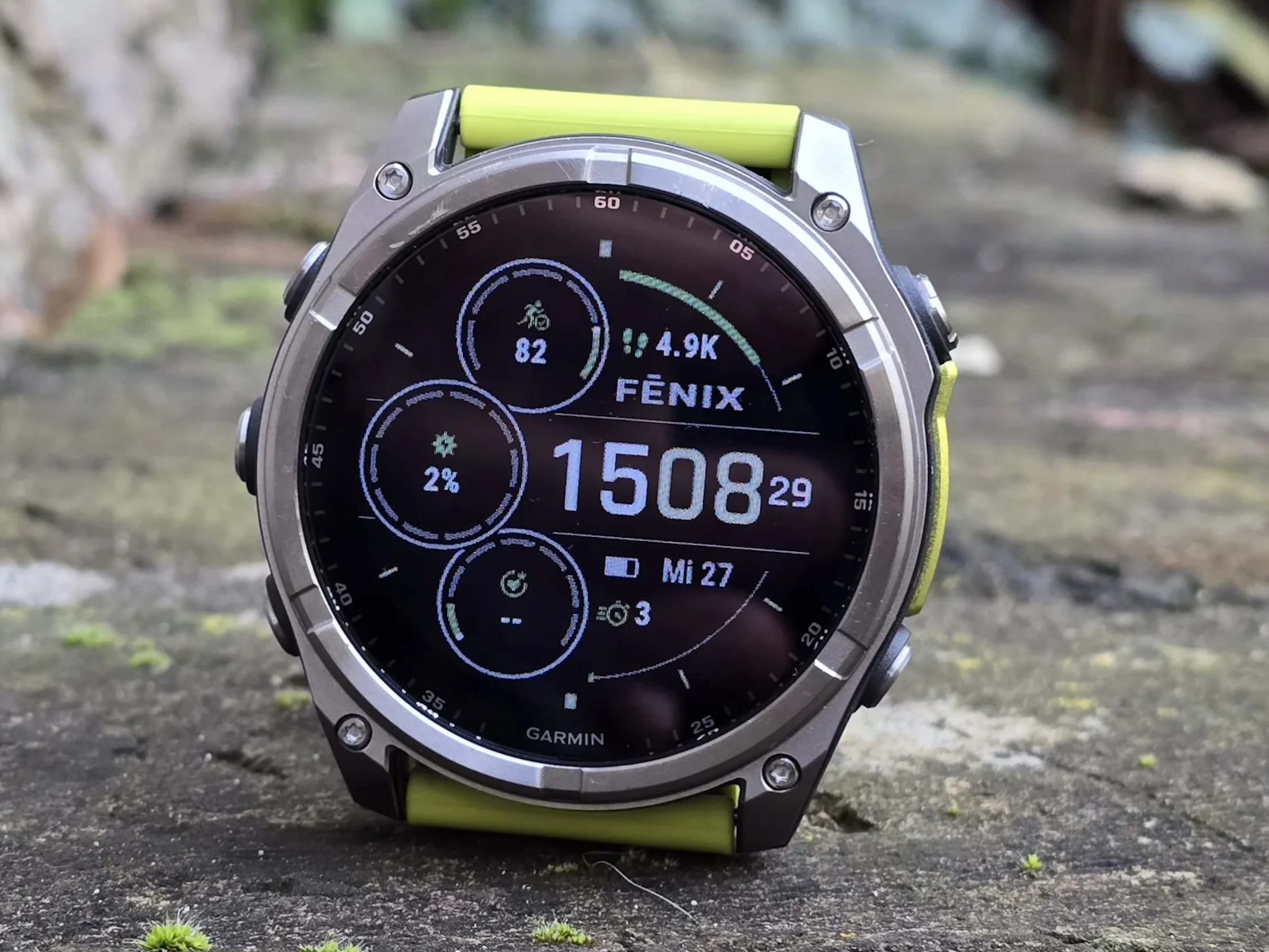
Garmin Fenix 9 Rumors Point to a Possible 2026 Launch With Solar AMOLED and Better GPS Accuracy
Garmin may be getting ready to introduce the next major model in its premium outdoor smartwatch lineup. While the company has not officially announced the Garmin Fenix 9, recent clues suggest that a successor to the Garmin Fenix 8 could arrive sooner rather than later.
The strongest hint comes from references found inside Garmin’s app files, where the Enduro 4 has reportedly appeared. That matters because Garmin has previously launched Enduro and Fenix models around the same period, including the Enduro 3 and Fenix 8. If Garmin follows a similar pattern again, the appearance of the Enduro 4 could indirectly point to the Garmin Fenix 9 being part of the company’s upcoming release plans.
Garmin has already confirmed that it has new products planned for the second half of 2026. That timeline would fit well with the expected refresh cycle for the Fenix series. However, it is important to keep expectations realistic. At this stage, Garmin has not directly confirmed the Fenix 9, and much of the current discussion is still based on leaks, app discoveries, patents, and industry speculation.
One of the most exciting rumored upgrades is solar charging for AMOLED models. Garmin already offers solar charging on some of its outdoor watches, but bringing the technology to an AMOLED display would be a major step forward. AMOLED screens are brighter, sharper, and more colorful than traditional memory-in-pixel displays, but they also tend to use more power. If Garmin can successfully combine AMOLED visuals with efficient solar charging, the Fenix 9 could deliver a better balance between premium display quality and long battery life.
Garmin appears to still be actively developing solar-related smartwatch technology, based on patent activity. Other wearable brands are also believed to be exploring similar ideas, which could make solar-powered AMOLED smartwatches an important trend in the next generation of fitness watches.
Another likely improvement for the Garmin Fenix 9 is better GNSS and GPS accuracy. Garmin’s Fenix watches are already popular among runners, hikers, cyclists, climbers, and endurance athletes because of their reliable navigation features. Still, there is always room for improvement, especially in difficult environments such as dense forests, mountain valleys, city streets with tall buildings, and remote trails.
Improved satellite positioning could make the Fenix 9 more accurate for distance tracking, route recording, pace measurement, and navigation. For serious athletes and outdoor users, even small gains in location precision can make a noticeable difference.
There is also speculation about muscle oxygen saturation tracking. This feature could appeal to performance-focused athletes, as it may help provide insight into how specific muscles respond during training. However, this type of measurement is more complex than standard heart rate or blood oxygen tracking.
Muscle oxygen saturation is usually measured locally in a specific muscle rather than across the whole body. Because of that, the wrist may not always be the best place to collect useful data. A more practical solution could involve additional sensors placed on different parts of the body, especially for sports where leg or arm muscle performance is more relevant than wrist-based readings. For that reason, even if Garmin is working on this technology, it may not necessarily become a headline feature exclusive to the Fenix 9.
The Garmin Fenix 9 is expected to continue targeting users who want a rugged, feature-packed smartwatch for fitness, health tracking, navigation, and outdoor adventure. The Fenix series has built its reputation on long battery life, durable materials, advanced training tools, detailed maps, and strong multi-sport support. Any new model will likely focus on refining those strengths rather than completely changing the formula.
Possible Garmin Fenix 9 upgrades could include:
Longer battery life
Solar charging support for AMOLED models
Improved GPS and GNSS accuracy
New health and performance tracking tools
Enhanced training metrics
Faster software performance
Updated mapping and navigation features
New case materials or design refinements
Better display efficiency
More advanced sensor technology
For now, the Garmin Fenix 9 remains unconfirmed, but the signs are becoming harder to ignore. The combination of Garmin’s expected 2026 product roadmap, app-file references to the Enduro 4, and ongoing development around solar and positioning technology suggests that the next Fenix generation may already be taking shape behind the scenes.
If the rumors are accurate, the Garmin Fenix 9 could become one of the most important premium GPS smartwatch releases of 2026, especially for athletes, outdoor enthusiasts, and users who want a high-end wearable with serious endurance and navigation capabilities.


