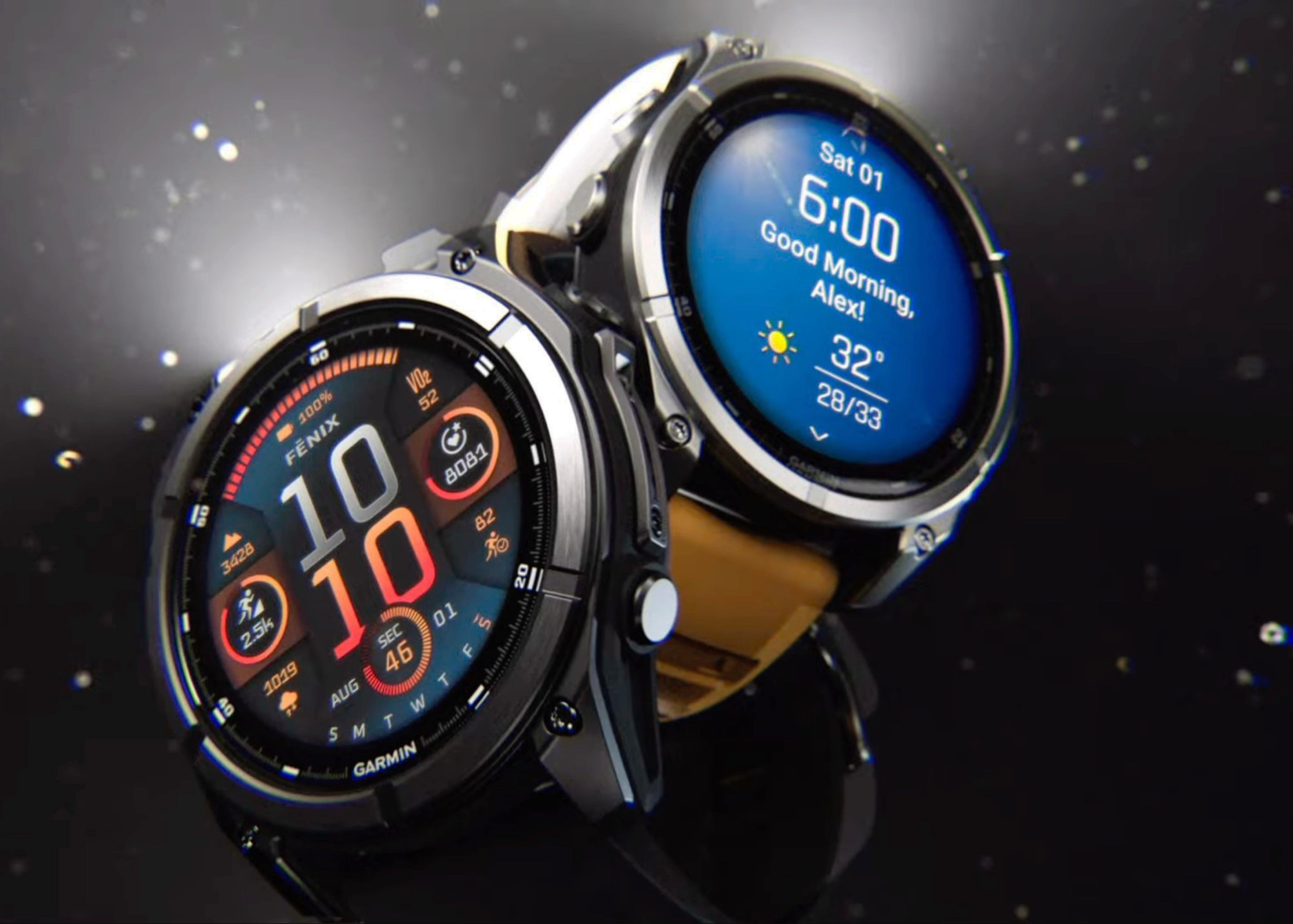
Garmin Fenix 9 Rumored to Bring Back Solar MiP Displays for Longer Battery Life
The Garmin Fenix 9 lineup may be more interesting than early rumors suggested. While previous reports hinted that Garmin could move fully toward AMOLED displays, the latest information suggests the company may keep its battery-friendly MiP display technology alive for select models.
According to recent rumors, Garmin is preparing three versions of its next premium outdoor smartwatch: the Garmin Fenix 9, Garmin Fenix 9 Pro, and Garmin Fenix 9 Pro inReach. The watches are expected to launch in the second half of 2026, potentially alongside the Enduro 4, a model likely focused heavily on maximum endurance and ultra-long battery life.
The biggest surprise is the display strategy. The standard Garmin Fenix 9 is expected to feature an AMOLED screen, but the Fenix 9 Pro and Fenix 9 Pro inReach may reportedly be offered with either AMOLED or MiP display options. That would give users a choice between a brighter, more colorful smartwatch-style screen and a more power-efficient display designed for extended outdoor use.
MiP, or memory-in-pixel, displays are not as vivid as AMOLED panels, but they remain highly readable outdoors and use far less power. This makes them especially appealing for hikers, runners, cyclists, mountaineers, and endurance athletes who care more about battery life than rich colors or flashy visuals.
The MiP versions of the Garmin Fenix 9 Pro models are also rumored to include solar charging built into the display. If true, this could make them the best choice for users who spend long periods away from a charger. Garmin has already shown the advantage of this approach with the Fenix 8 Solar. The 47 mm Fenix 8 Solar can last up to 28 days with typical use, while the 47 mm Fenix 8 AMOLED model lasts around 16 days, or about seven days when the always-on display is enabled.
That difference highlights why many Garmin fans still prefer MiP and solar models. AMOLED looks better indoors and offers richer visuals, but MiP with solar charging can be much more practical for long expeditions, training blocks, and travel.
Another notable rumor is that Garmin may separate inReach satellite connectivity from the standard Pro model. Instead of including it in every Pro version, satellite messaging and emergency communication features may be reserved for the Garmin Fenix 9 Pro inReach. This could help Garmin create clearer differences between its models and offer more pricing flexibility.
It is still unclear how the Fenix 9 and Fenix 9 Pro will differ in terms of hardware and materials. One possibility is that the Pro model could receive a more premium build, potentially including a sapphire crystal display cover. If that happens, the Fenix 9 Pro could effectively replace the separate Sapphire editions seen in earlier Garmin generations.
The Garmin Fenix 9 series is also rumored to come in smaller 43 mm versions, which would be good news for users who prefer a more compact sports watch. However, MiP display options are expected to remain limited to larger models with case sizes of 47 mm or above. That would follow Garmin’s current pattern, where larger watch bodies provide more space for bigger batteries and solar charging hardware.
If these rumors prove accurate, the Garmin Fenix 9 lineup could offer something for nearly every type of outdoor smartwatch user. The AMOLED version would appeal to those who want a modern, bright, and colorful display, while the MiP Solar versions would target users who prioritize endurance, visibility in sunlight, and long-lasting performance.
For now, Garmin has not officially confirmed the Fenix 9, Fenix 9 Pro, or Fenix 9 Pro inReach. Still, the possibility of solar-powered MiP models returning should be encouraging for long-time Garmin fans who were worried the company might abandon one of its most practical display technologies.


