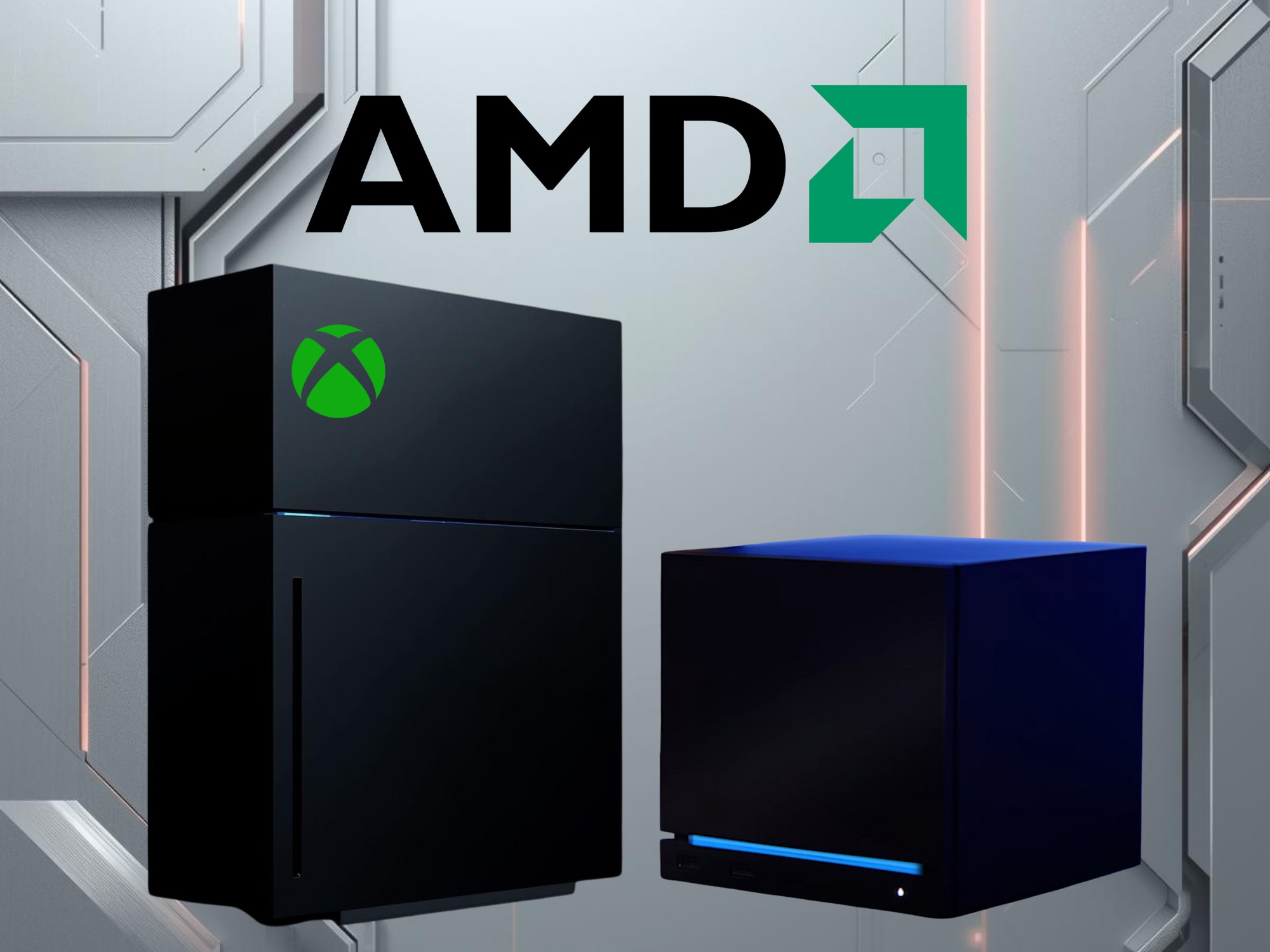
Microsoft appears to be keeping its sights set on a 2027 next-generation Xbox console release date, and a major piece of the puzzle may be lining up right on schedule. During a February 3 earnings call, AMD CEO Lisa Su offered an encouraging update on two upcoming gaming systems that depend on AMD hardware: Microsoft’s next Xbox and Valve’s rumored SteamOS-based “cube” PC often referred to as a Steam Machine.
Su suggested that AMD’s work on the semi-custom chipset for Microsoft is progressing smoothly, positioning the company to support a 2027 Xbox launch. While that isn’t an ironclad promise that the console will hit store shelves that year, it’s a meaningful signal that the core silicon—often the hardest part to finalize—doesn’t currently appear to be the reason for delays.
In the same update, Su also indicated that Valve is on track to begin shipping its AMD-powered Steam Machine in early 2026. That’s notable because recent industry chatter has centered on rising memory costs, which could complicate pricing and availability for new gaming hardware in the near future.
Why the 2027 Xbox timeline still raises questions
Even if AMD delivers its custom system-on-chip on time, other factors could still impact Microsoft’s launch plans. One of the biggest concerns is cost—especially with memory prices climbing. Xbox leadership has already described the upcoming device as “very premium,” which has fueled speculation that the next Xbox could be significantly more expensive than current models.
Rumored specs only add to that expectation. The next Xbox is widely expected to use an AMD “Magnus” APU featuring an 11-core Zen 6 CPU and graphics based on RDNA 5. It’s also been described as a console/PC hybrid, a direction that could demand more memory than traditional consoles. Reports suggest it may ship with 36GB of GDDR7 RAM or more, and if memory shortages continue to pressure the broader GPU and component market, that could make the final price harder to keep in check.
Steam Machine outlook: earlier than expected, but not immune to component pricing
Compared to Microsoft’s next Xbox, Valve’s Steam Machine specs are believed to be more modest. It’s expected to use an AMD Zen 4 processor paired with RDNA 3 graphics, while still offering 4K connectivity. Even with a lower-end configuration, the market isn’t exactly friendly right now—DDR5 pricing has been a key worry for analysts watching 2026 hardware plans.
That’s why Su’s suggestion that Valve is still preparing for an early 2026 shipping window stands out. It implies that, at least from AMD’s perspective, the platform remains on schedule despite pricing turbulence in key components.
The bigger question: does Microsoft’s premium console strategy pay off?
Beyond manufacturing and component costs, Microsoft’s next Xbox faces a wider debate about the company’s role in hardware. Some critics argue Microsoft should focus more on software and services rather than doubling down on expensive consoles—especially after the Xbox Series X|S era faced challenges that contributed to a decline in gaming revenue.
For now, though, the latest signals point to continued momentum: AMD says the chip work is advancing well, Valve’s box may arrive sooner than some expected, and Microsoft still appears aligned with a 2027 next Xbox console release date—assuming pricing, supply, and strategy all cooperate.