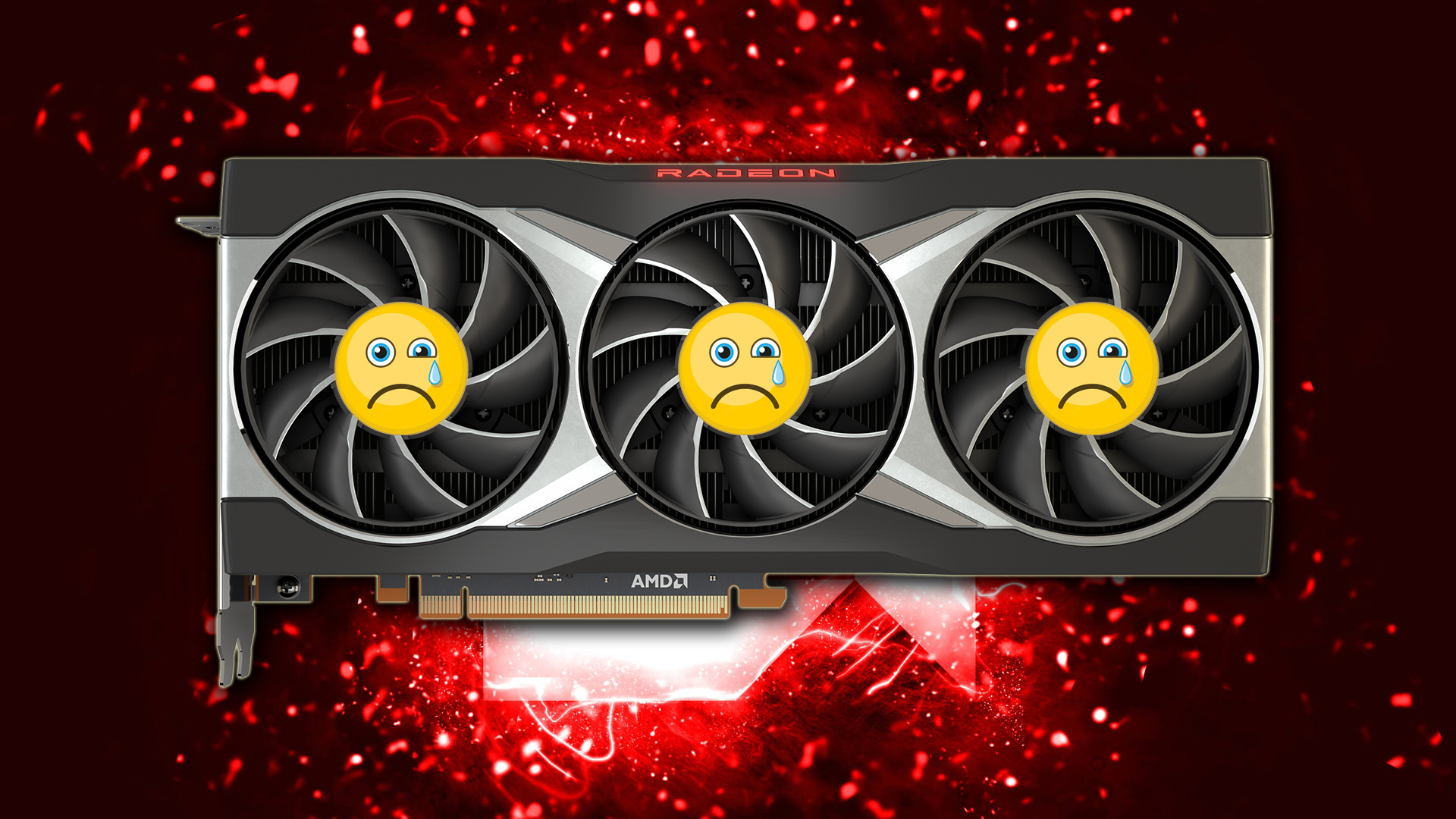
AMD is winding down active support for its first two RDNA generations. The company has confirmed that Radeon RX 5000 (RDNA 1) and Radeon RX 6000 (RDNA 2) graphics cards are moving into maintenance mode, meaning no more new game optimizations or feature additions. Going forward, these GPUs will receive only critical security patches and essential bug fixes.
The shift became clear with AMD Software: Adrenalin Edition 25.10.2. That release adds official support for Battlefield 6 and the Ryzen AI 5 330 APU, along with new game support and expanded Vulkan extensions. However, those enhancements target only RDNA 3 and RDNA 4 hardware—the Radeon RX 7000 and RX 9000 series. Absent from the notes are the RX 5000 and RX 6000 families, signaling the end of day-one game tuning and feature updates for those cards. When asked, AMD confirmed the change, explaining that development resources are being concentrated on newer architectures.
What this means in practice
– Radeon RX 5000 (launched in 2019) and Radeon RX 6000 (launched in 2020) will not get new game-specific optimizations or feature rollouts.
– Cards like the RX 6750 GRE, despite arriving in 2023, fall under RDNA 2 and are affected by this policy.
– Security updates and critical bug fixes will continue, but performance tuning for upcoming titles will be reserved for RDNA 3 and RDNA 4 GPUs.
Why it matters
This transition shortens the window of “fully optimized” driver support for two still-capable product lines, and it raises understandable concerns about long-term support expectations. Many players weigh driver longevity alongside raw performance when choosing a GPU. By comparison, rival ecosystems have often maintained robust game-ready updates for older architectures for many years, a precedent that endears them to users who upgrade less frequently.
If you own an RX 5000 or RX 6000 card
– Keep your drivers current to benefit from ongoing security fixes and stability improvements.
– Expect to rely more on in-game settings, community tuning, and general driver improvements rather than title-specific optimizations for new releases.
– If you want day-one optimizations and the latest features, consider a path to RDNA 3 (RX 7000) or RDNA 4 (RX 9000), which remain the focus of AMD’s driver development.
– Monitor release notes to see which updates apply to your GPU generation.
Bottom line
AMD’s driver strategy is pivoting to prioritize the newest architectures. For RDNA 1 and RDNA 2 owners, support isn’t disappearing, but it is narrowing to maintenance-level updates. As future games and technologies land, the most significant driver-side performance gains and features will target RDNA 3 and RDNA 4.