WeRoad Raises $58 Million to Bring Social Group Travel to the U.S.
WeRoad, the Milan-based group travel startup, has secured $58 million in Series C funding led by Airbnb, marking a major step in the company’s plan to expand beyond Europe for the first time. The latest round brings WeRoad’s total funding to about $100 million and will support its U.S. launch, starting in Austin.
The investment signals growing confidence in a new kind of travel business: one built not only around destinations and bookings, but around human connection. As many travel platforms focus on convenience, prices, and accommodations, WeRoad is betting that younger travelers are looking for something deeper: shared experiences, new friendships, and a stronger sense of community.
That approach comes at a time when loneliness, especially among Millennials and Gen Z, has become a major social issue. While much of the tech world is focused on artificial intelligence and digital engagement, WeRoad is leaning into the “IRL economy,” where companies create value through real-world experiences rather than more screen time.
The idea behind WeRoad came from a personal challenge faced by its founders, Paolo De Nadai, Fabio Bin, and Erika De Santi. After university, they found it increasingly difficult to organize trips with friends. People were moving to different cities, starting families, settling into demanding jobs, or simply struggling to match schedules.
De Nadai has explained that he and cofounder Fabio tried other group travel services for solo travelers, but felt something was missing. The trips were enjoyable, but the groups often felt mismatched. Travelers of very different ages and lifestyles were placed together, and while they were sharing the same itinerary, they were not always forming genuine bonds.
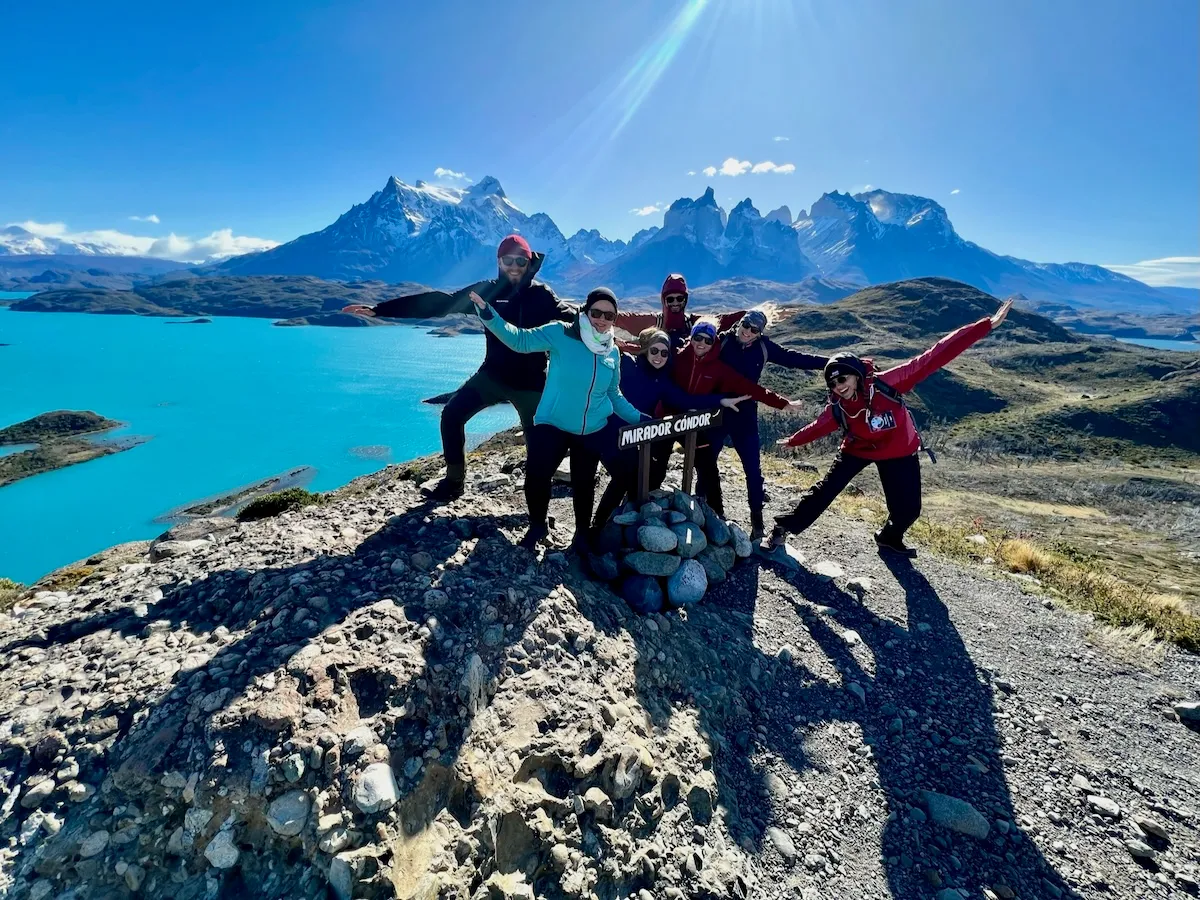
WeRoad was created to solve that problem. Instead of offering standard group tours, the company designs trips around shared interests, travel styles, and age groups. Its experiences are especially aimed at younger travelers who want adventure, discovery, and meaningful social connection.
Travelers can choose trips based on themes such as beach escapes, skiing holidays, outdoor adventures, cultural journeys, and other experience-led formats. The goal is not just to visit a destination, but to travel with people who are likely to share similar expectations, energy, and cultural references.
Before each trip starts, participants are added to a WhatsApp group managed by the trip leader. This allows travelers to introduce themselves, ask questions, and start building familiarity before meeting in person. Groups usually include between eight and fifteen people, creating a setting that is social but still personal.
According to WeRoad, the biggest concern for many customers is not where they are going, but whether they will connect with the people in the group. To address this, the company builds its itineraries with social dynamics in mind. Activities that require teamwork, adventure, or interaction are often placed early in the trip to help break the ice quickly.
Most WeRoad itineraries last around 10 to 12 days, though the company has also introduced shorter weekend trips designed for first-time users who want to try the experience before committing to a longer journey. The model appears to be working: WeRoad says about 60% of travelers eventually book another trip.
Another key difference is the role of its trip coordinators. WeRoad does not use traditional tour guides in the usual sense. Instead, it works with “group leaders,” who are often closer in age to the travelers and act more like companions, facilitators, and community builders.
The company now works with more than 4,000 group leaders around the world. Rather than focusing only on destination expertise, WeRoad looks for people with strong communication skills, travel experience, adaptability, and the ability to manage group dynamics. These leaders are expected to help strangers feel comfortable, handle unexpected changes, and support the social side of the journey.
WeRoad is also expanding its vision beyond travel. In 2025, the company launched WeMeet, an app focused on local in-person gatherings. The app helps people join activities such as dinners, hikes, yoga sessions, running groups, after-work drinks, and board game nights.
WeMeet has already gained traction. The company says more than 50,000 people attended WeMeet events across 35 cities last year, while the app reached 150,000 downloads. This local community-building platform is expected to play an important role in WeRoad’s U.S. growth strategy.
Instead of launching across the entire United States at once, WeRoad plans to grow city by city. Austin will be the first major focus, chosen for its active social scene, strong community culture, and reputation as a city that attracts young professionals, creatives, and newcomers.
The company plans to recruit local group leaders, organize WeMeet events, and form community partnerships before expanding into additional U.S. cities. WeRoad expects to roll out WeMeet events across multiple American cities throughout 2026, with Austin serving as the starting point.
The bigger question is whether startups can build long-term businesses around loneliness, friendship, and offline connection. Investor interest suggests that demand is growing, especially among consumers who are tired of purely digital interactions and want more meaningful real-life experiences.
WeRoad’s recent performance gives the company momentum. It reported €130 million in revenue in 2025, up 30% year over year. The company also says it took more than 100,000 travelers on trips last year alone.
Since its launch in 2017, WeRoad says it has served more than 300,000 customers across over 1,000 itineraries worldwide.
With fresh funding, Airbnb’s backing, and a growing focus on social travel, WeRoad is now preparing to test whether its community-driven travel model can resonate with American travelers. If successful, the company could become one of the leading names in a fast-growing travel trend: trips designed not just around where people go, but who they meet along the way.