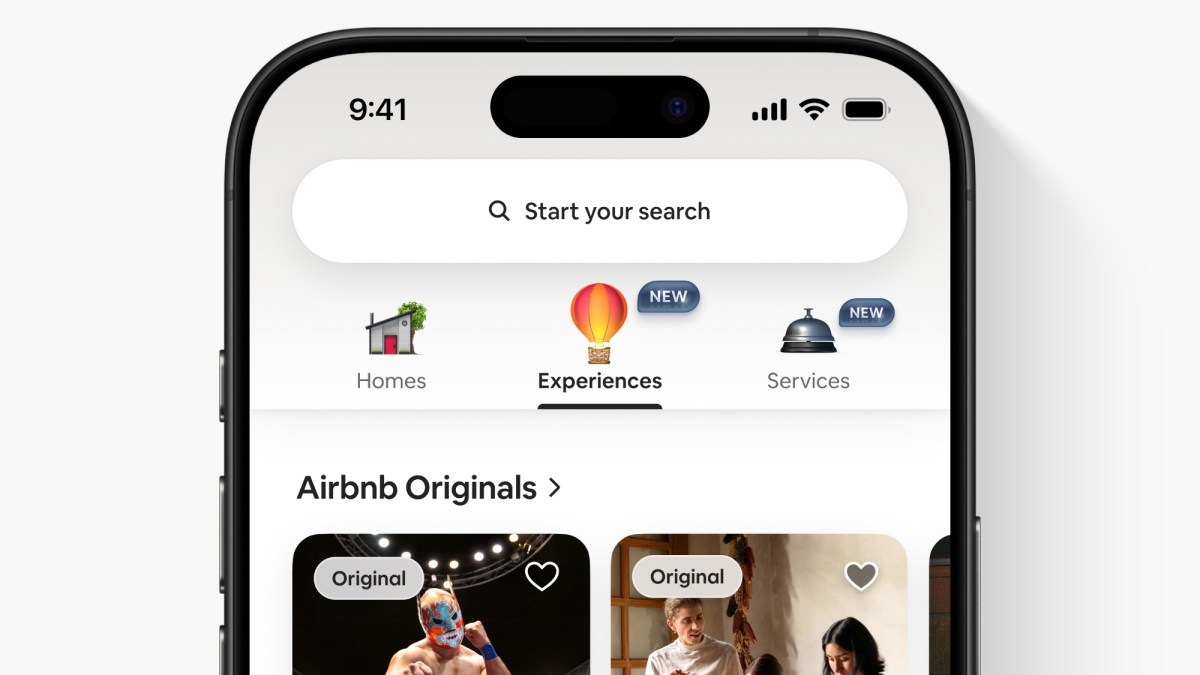
Airbnb is moving quickly to make artificial intelligence a core part of its business, starting with a place most travelers and hosts know well: customer support.
The company says its custom-built AI agent is already resolving about one-third of customer support issues in North America. Next, Airbnb plans to expand the AI support experience worldwide. If that rollout goes as expected, Airbnb believes that within a year, AI voice and chat tools will handle more than 30% of its total customer support tickets across every language where the company also employs human support agents.
CEO Brian Chesky framed the shift as more than a cost-saving move. On the company’s latest earnings call, he said Airbnb expects a major improvement in both efficiency and service quality, signaling confidence that AI can successfully handle a meaningful share of questions and problems that customers bring to support.
To accelerate its broader AI strategy, Airbnb also highlighted a major leadership hire: Ahmad Al-Dahle as chief technology officer. Chesky emphasized Al-Dahle’s background in artificial intelligence and his experience building large-scale systems, calling him a key figure in Airbnb’s next phase.
That next phase is focused on an “AI-native” Airbnb experience. Chesky described a future version of the app that goes beyond simply helping people search for a place to stay. Instead, he envisions an Airbnb that “knows you,” helping guests plan an entire trip, helping hosts run their businesses more effectively, and helping Airbnb operate more efficiently at scale.
Airbnb also argues it has advantages that general-purpose AI chatbots can’t easily duplicate. Chesky pointed to the size and depth of the platform’s data and features, including around 200 million verified identities and roughly 500 million reviews. He also noted that direct host messaging is a major part of the Airbnb experience, saying most guests communicate with hosts—something a standalone chatbot can’t replicate on its own. Rather than being replaced by external AI tools, Airbnb’s strategy is to layer AI directly into its own marketplace to improve the experience and support growth.
Financially, Airbnb reported $2.78 billion in fourth-quarter revenue, beating expectations. The company forecast “low double-digit” revenue growth for the year and projected next-quarter revenue between $2.59 billion and $2.63 billion, also above what analysts were expecting.
Still, some investors questioned whether AI platforms could become a long-term threat—especially if they eventually try to move into short-term rentals. Chesky pushed back, arguing that Airbnb is not just a consumer app for booking stays. He described it as a full ecosystem that includes tools for hosts, customer service operations, trust and safety protections, user verification, and platform-wide safeguards such as insurance. He also noted the scale Airbnb has built over nearly two decades, including handling more than $100 billion in payments through its platform.
Chesky also suggested that AI chatbots may ultimately function similarly to search engines by sending “top-of-funnel” traffic to services like Airbnb. He added that this kind of traffic can convert better than traditional search traffic, implying that the broader shift toward AI-driven discovery could become a tailwind rather than a threat.
On the product side, Airbnb is already testing AI-powered search with a small portion of its users, experimenting with a more conversational experience. Over time, the company also plans to integrate sponsored listings into search, signaling that monetization will be part of the roadmap as the new experience scales.
Internally, Airbnb says AI adoption among its employees is rapidly growing. The company reported that about 80% of its engineers now use AI tools, and it’s working toward full adoption across its engineering organization.
Taken together, Airbnb’s message is clear: AI isn’t being treated as a side feature. It’s being positioned as a major upgrade to customer support, trip planning, host tools, and the overall way the platform operates—first in North America, and soon around the world.


