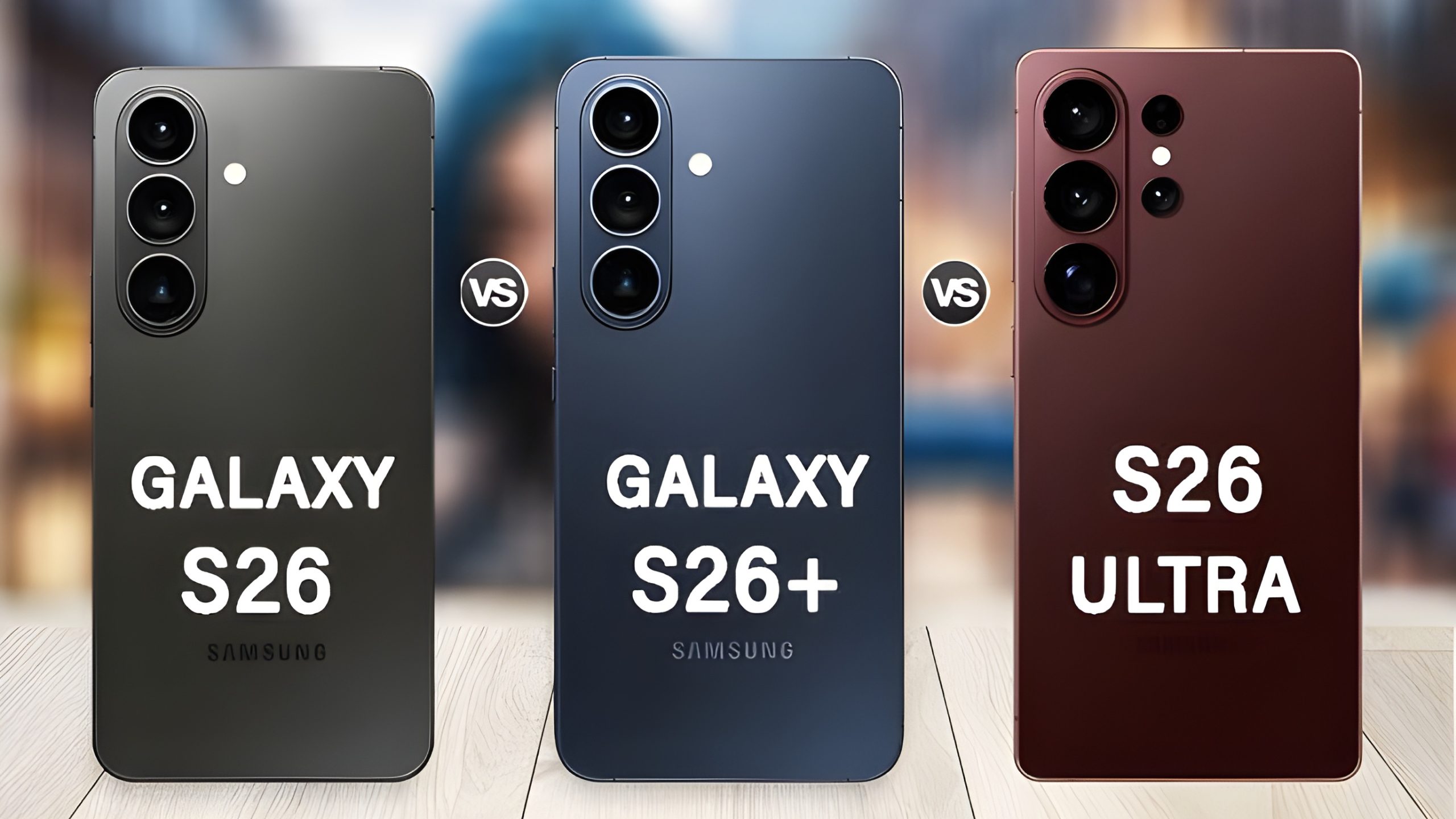
Samsung’s next flagship lineup, the Galaxy S26 series, is shaping up to be a “safe” update rather than a bold reinvention. And if early chatter is any indication, that strategy may be backfiring. Multiple tips now suggest there’s a growing sense of indifference around the new models, with some prospective buyers reportedly canceling pre-orders—an unwelcome sign for Samsung as it pushes toward an ambitious annual sales goal.
One tipster claims there’s a “perceived lack of interest” in the Galaxy S26 family, while another report says cancellations are piling up. If that momentum continues, Samsung’s projected 34 million units for the series could be difficult to achieve. The frustration appears to be less about the Galaxy S26 being “bad” and more about the feeling that it isn’t new enough—especially at higher prices.
Galaxy S26 Ultra highlights: new colors, refreshed look, familiar core features
Leaks and rumors indicate the Galaxy S26 Ultra will arrive with several premium color options, including Cobalt Violet, Black Shadow, White Shadow, and Galactic Blue. Design-wise, expectations point to rounded edges and a dedicated camera island housing a triple-camera layout. Other staples are said to remain, including a USB-C port, S Pen support, and a 5,000mAh battery, though some sources speculate Samsung could push that to 5,200mAh.
One feature that may disappoint accessory fans: built-in Qi2 magnets are now reportedly not happening, despite earlier rumors. Without integrated magnets, the phone won’t naturally tap into the growing ecosystem of magnetic, snap-on accessories in the way many shoppers were hoping.
A new “Privacy Display” could become the Galaxy S26’s standout feature
If Samsung is bringing a true headliner to the Galaxy S26 series, it may be its Flex Magic Pixel OLED technology—now being described as a “Privacy Display.” The idea is straightforward and appealing: use AI to reduce visibility from angled side views while keeping the display bright and clear when you’re looking at it straight-on.
For commuters, frequent travelers, and anyone who uses their phone in crowded spaces, this could be a meaningful quality-of-life improvement. It’s the kind of practical upgrade that doesn’t show up on spec sheets as dramatically as a huge camera jump, but could still be a big selling point—if it works as promised.
Galaxy S26 Ultra camera rumors: big numbers, familiar strategy
Camera hardware is expected to remain a major focus, with a rumored setup that includes:
A 12MP IMX874 selfie camera
A 12MP ISOCELL 3LD S5K3LD 3x telephoto (possibly with a smaller 1/3.94-inch format)
A 200MP ISOCELL HP2 main camera (possibly with a brighter f/1.5 aperture)
A 50MP ultrawide (reported as ISOCELL JN3 or Sony IMX564)
A 50MP IMX854 5x periscope (possibly with a wider, faster f/2.9 aperture)
On paper, that’s still an extremely high-end camera package. The bigger question is whether Samsung can deliver enough real-world improvements—better low-light results, more consistent motion capture, stronger zoom clarity, and more natural processing—to convince upgraders that this is more than a routine refresh.
Price increases may be fueling the hesitation
Perhaps the biggest factor behind the reported pre-order softening is pricing. Even if Samsung’s upgrades are solid, buyers tend to be less forgiving when the jumps feel incremental while costs climb.
In South Korea, current expectations suggest the base Galaxy S26 will start at 1,254,000 won (about $865), roughly 99,000 won (around $68) higher than the base Galaxy S25. The Galaxy S26 Ultra is expected to start at 1,797,000 won (about $1,240), again close to a 98,600 won (around $67) increase compared with the previous Ultra model. Higher storage options are said to rise even more, with the largest jump rumored for the 1TB Galaxy S26 Ultra.
The reasoning being floated is industry-wide cost pressure, including memory-related pricing. But regardless of the cause, consumers typically judge price hikes by what they can see and feel day-to-day—battery life, camera leaps, design changes, and standout features. If the Galaxy S26 lineup is perceived as iterative, higher prices could be the deciding factor that pushes shoppers to delay upgrades or look elsewhere.
What this could mean for Samsung’s Galaxy S26 launch
Right now, the Galaxy S26 story looks like a tug-of-war between premium polish and perceived stagnation. Samsung may still win people over with the Privacy Display, refined camera tuning, and appealing new finishes—but early reports of weaker enthusiasm and canceled pre-orders suggest the company could have a harder time hitting its sales targets, especially with noticeable price increases.
As the launch approaches, the biggest thing to watch will be whether Samsung has additional surprises—software features, camera breakthroughs, or meaningful durability and battery improvements—that can shift the conversation from “another refresh” to “a must-upgrade flagship.”