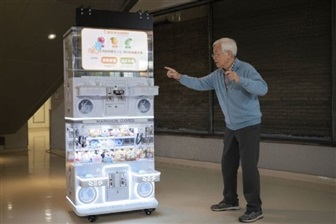
Taiwan has officially entered the era of a super‑aged society, and the pressure on hospitals, clinics, and long‑term care centers is rising fast. To meet that challenge, a new collaboration is bringing AI, advanced displays, and smart sensing into the heart of patient care. AUO and Darwin are working with Tungs’ Hospital to introduce AI‑driven solutions designed to improve safety, streamline workflows, and deliver more personalized care for older adults.
The initiative blends next‑generation display technology with intelligent sensing and data analytics. The goal is simple but ambitious: help clinicians respond faster, reduce routine burdens, and give patients a safer, more connected experience—without sacrificing privacy.
What the smart care approach aims to deliver
– Smart wards and bedsides: Intuitive medical displays and bedside terminals can surface real‑time vitals, care plans, and alerts at a glance, helping teams coordinate efficiently.
– Non‑contact monitoring: Contactless sensors aim to track key indicators such as breathing patterns, movement, and bed‑exit risk, supporting early intervention while maintaining patient comfort.
– Fall and risk detection: AI models can analyze patterns to flag potential falls, wandering, or deterioration, helping staff prioritize critical cases and respond sooner.
– Seamless nurse workflows: Integrated dashboards and mobile notifications are designed to cut response times, reduce alarm fatigue, and improve handoffs across shifts.
– Data integration and insights: By connecting with hospital information systems, the platform can help convert fragmented data into actionable insights for safety, quality, and capacity planning.
– Privacy‑first design: Relying on non‑visual sensing and edge intelligence where possible can limit unnecessary image capture and keep sensitive data protected.
Why this matters for eldercare
As the proportion of citizens over 65 grows, hospitals face rising admissions for chronic conditions, falls, and post‑acute care. AI‑enabled monitoring and smart displays can help:
– Catch issues earlier to reduce complications and readmissions
– Support remote and continuous observation without constant bedside checks
– Free up staff time for high‑value clinical care
– Bring families and caregivers into the loop through secure status updates
– Scale best practices from single wards to entire facilities and long‑term care settings
Potential use cases beyond the hospital
– Long‑term care and rehabilitation centers seeking discreet, around‑the‑clock monitoring
– Home‑based recovery with teleconsultation and proactive alerts for caregivers
– Command centers that track ward status, bed availability, and equipment location
– Quality and safety programs focused on reducing falls, pressure injuries, and response delays
Sustainability and reliability in focus
Modern displays and low‑power sensors are designed to be energy‑efficient and durable, supporting continuous operation in clinical environments. Edge AI can reduce latency and cloud dependence, aiming for faster alerts and higher resiliency.
What’s next
The collaboration at Tungs’ Hospital is positioned as a model that can be refined and expanded. As results accumulate, the partners plan to scale the approach across more departments and potentially to other facilities. For Taiwan’s rapidly aging population, initiatives like this point to a practical path: combine clinical expertise with AI, sensing, and display innovation to deliver safer, smarter, and more dignified care at every stage of aging.
Key takeaways for readers and healthcare leaders
– AI‑driven smart wards can enhance patient safety and staff efficiency
– Non‑contact sensing and edge processing help balance insight with privacy
– Seamless data integration turns information into action
– Scalable designs can extend from hospitals to long‑term and home care
In a super‑aged society, the winners will be the systems that anticipate need, respond instantly, and keep people at the center. This partnership is a meaningful step in that direction.