Semiconductor Chemical Prices Rise as AI Chip Demand and Supply Risks Intensify
Prices for key semiconductor manufacturing materials are expected to keep climbing as global chip demand accelerates and supply chain uncertainty grows. With AI chip production booming and geopolitical tensions adding new pressure to logistics and raw material availability, suppliers of critical chemicals used in chip fabrication are beginning to raise prices.
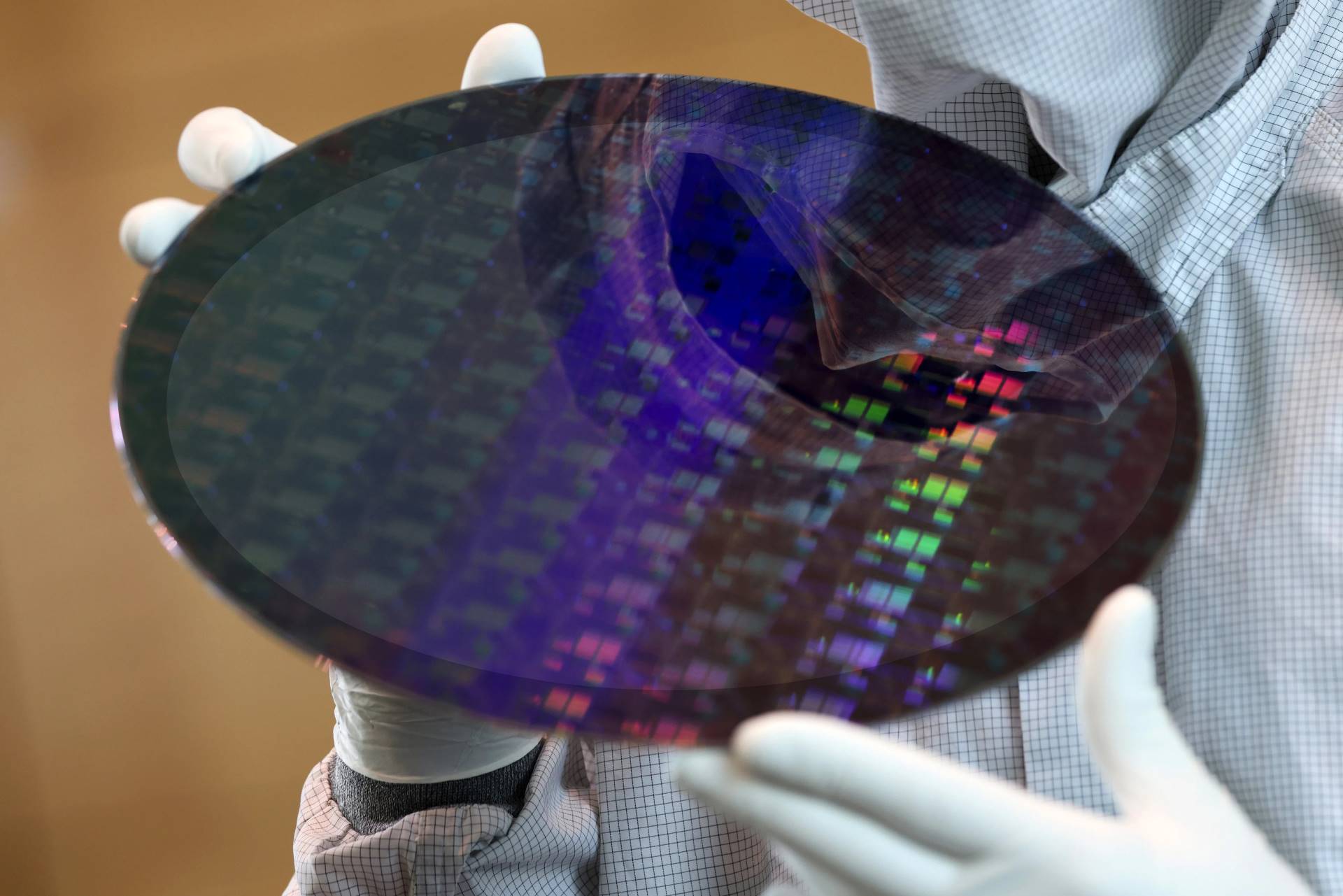
The semiconductor industry depends on an extremely complex manufacturing process. Producing advanced chips requires printing billions of transistors onto tiny silicon wafers through multiple layers of deposition, cleaning, etching, and purification. To make this possible, chipmakers rely on a wide range of highly specialized chemicals and gases. These materials help deposit films on wafers, remove unwanted layers, clean sensitive equipment, cool components, and maintain the ultra-clean environment needed for advanced semiconductor production.
Recent industry reports from Taiwan indicate that prices are rising for important chipmaking chemicals, including hydrofluoric acid and isopropanol. Both are essential to semiconductor fabrication.
Hydrofluoric acid is widely used for etching, wafer surface treatment, and cleaning. Isopropanol plays a major role in cleaning wafers, production tools, and photomasks, which are used to transfer circuit patterns onto silicon wafers. Because these chemicals are used throughout the manufacturing process, even small price increases can affect overall chip production costs.
Several major suppliers have already responded to changing market conditions. Formosa Plastics Corp has raised prices for materials including hydrofluoric acid and isopropanol, while Sheng Yi Electronics, which is mainly involved in isopropanol supply, has also informed customers about price adjustments. Sheng Yi has reportedly indicated that it will continue watching market conditions closely and may consider additional increases if supply pressure continues.
The price hikes come at a time when the semiconductor supply chain is already facing added strain. Earlier this month, China’s decision to suspend helium exports caused concern across the industry. Although China is not the largest helium exporter by capacity, any disruption in the supply of gases and raw materials can create ripple effects across chip manufacturing, especially as demand for AI processors, advanced packaging, and high-performance computing chips continues to grow.
Analysts believe that strong demand for chip packaging is also contributing to pressure on the chemical supply chain. Advanced packaging has become increasingly important as chipmakers look for new ways to improve performance, efficiency, and density, particularly for artificial intelligence hardware. As packaging demand rises, so does the need for supporting chemicals and materials.
Formosa Plastics is well positioned in this environment due to its involvement in several key semiconductor chemical markets. Formosa Daikin, a joint venture between Formosa Plastics and Japan’s Daikin Industries, is a major player in the hydrofluoric acid market. Meanwhile, Formosa Plastics Tokuyama, a partnership between Formosa Plastics and Japan’s Tokuyama Corporation, holds a strong position in the isopropanol market.
Industry sources also expect Formosa to expand its electrochemical production capacity. Additional capacity is expected to become available in the current half of the year, with further expansion possible in 2027. This could help the company benefit from growing demand while easing some pressure on customers, depending on how quickly new supply comes online.
The broader trend is clear: as AI chip demand surges, the entire semiconductor ecosystem is feeling the impact. It is not only chip designers and foundries that are seeing growth, but also suppliers of chemicals, gases, and other raw materials that keep fabrication plants running. At the same time, geopolitical uncertainty, export restrictions, and tight logistics are making supply planning more difficult.
For chipmakers, rising chemical prices could add to production costs at a time when advanced semiconductor manufacturing is already expensive. For suppliers, however, the market environment presents a major growth opportunity. As artificial intelligence, data centers, high-performance computing, and advanced packaging continue to expand, demand for essential semiconductor materials is likely to remain strong.
If supply disruptions continue or demand rises faster than expected, further price increases across the semiconductor raw materials market may follow. For now, the industry is watching closely as chemical suppliers, chip manufacturers, and global supply chains adjust to a new period of higher demand and tighter availability.