ZOTAC GPU Warranty Dispute Raises Questions After Customer Says “Brand-New” RTX 3060 Had Only One Year of Coverage Left
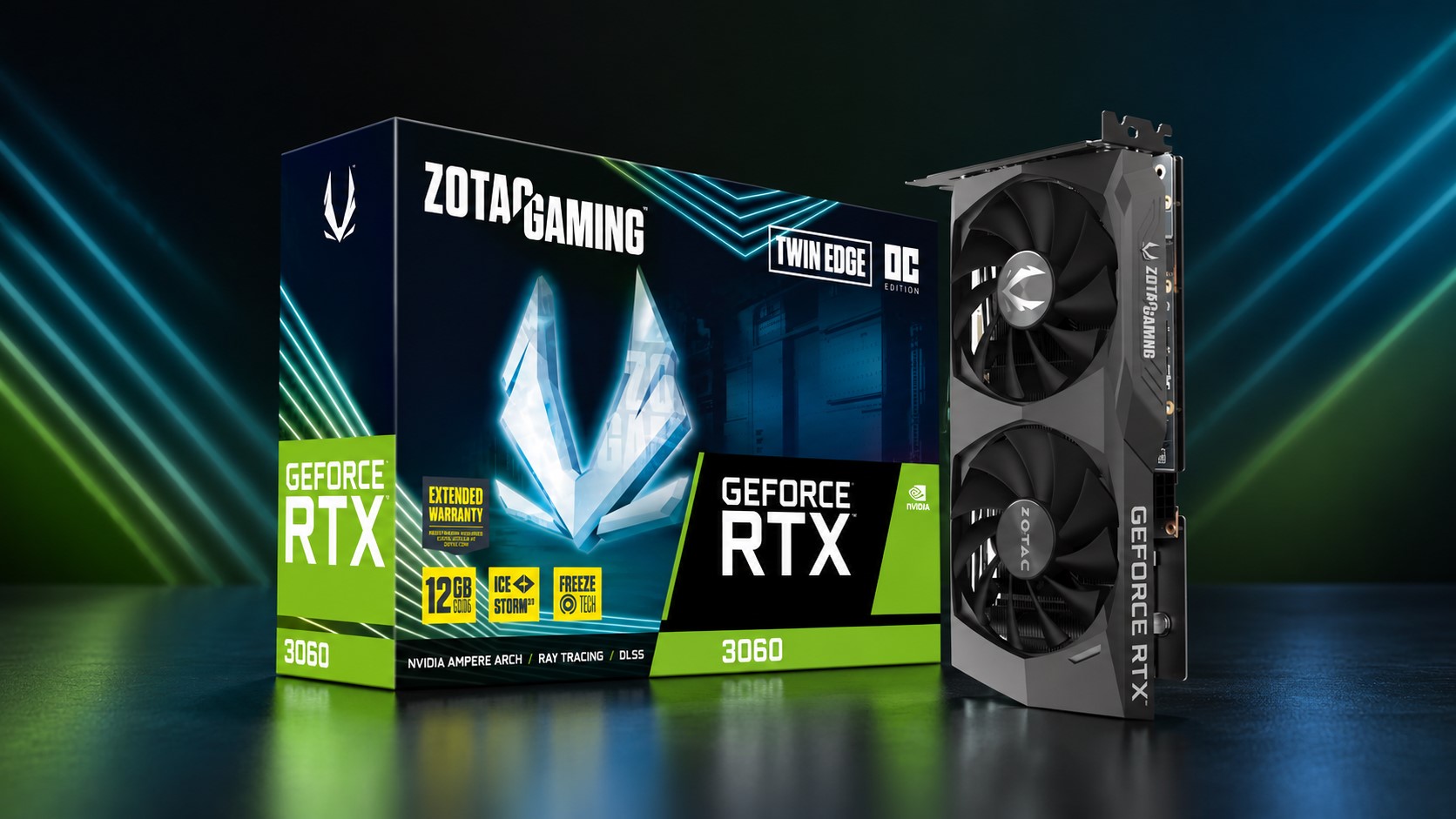
A graphics card buyer has shared a frustrating warranty experience involving a ZOTAC GeForce RTX 3060 Twin Edge, sparking fresh debate over how GPU warranty periods are calculated and whether customers are being properly informed before purchase.
According to the user, who posted the case online under the name u/AbhishekG9, the graphics card was purchased on June 27, 2025. After buying the GPU, the customer says the product was registered on ZOTAC’s website within just a few days, suggesting there was no long delay from the buyer’s side. However, when the user later contacted ZOTAC about warranty coverage, the response was not what most customers would expect.
ZOTAC reportedly informed the buyer that the three-year warranty on the graphics card had already expired, even though the card had been purchased only last year. The explanation given was that the GPU had been sold by the retailer nearly two years after it was originally purchased or imported from ZOTAC. As a result, the time the product spent sitting with the distributor or seller was counted as part of the warranty period.
In simpler terms, the customer appears to have bought a “new” graphics card from a retailer, but ZOTAC treated the warranty as if it had started much earlier, from the distributor import or invoice date. That left the buyer with only around one year of remaining warranty instead of the full three years many customers would assume they are getting when purchasing a new GPU.
The situation has caused confusion because ZOTAC India’s warranty wording appears open to interpretation. The policy states that the warranty duration starts from the product’s original date of purchase or the distributor import/invoice date, and that a copy of the original receipt is required to claim warranty service.
That wording raises an important question for buyers: does the warranty begin when the customer purchases the graphics card from a retailer, or when the distributor or seller first receives it? For everyday consumers, the original date of purchase usually means the date shown on their retail invoice. But in this case, ZOTAC appears to have relied on the earlier distributor-related date, which significantly shortened the coverage period.
The user did not clearly state whether the RTX 3060 was faulty or if the inquiry was made for another reason. Still, the response has drawn attention because it highlights a potential risk for buyers purchasing older stock. A graphics card can be sealed, unused, and sold as new, but if the manufacturer calculates warranty from an earlier import or distributor invoice date, the buyer may receive far less warranty protection than expected.
This case also puts the spotlight on retailers. If a seller is offering graphics cards that have been in inventory for years, customers may not know that the warranty clock could already be running. That can leave buyers stuck between the manufacturer and the retailer, with each side pointing to policy terms or sales records.
For customers buying GPUs in India or other regions with similar warranty rules, this serves as a reminder to check warranty terms before purchasing. Buyers may want to ask the retailer about the import date, distributor invoice date, and remaining manufacturer warranty before paying. Keeping the retail invoice, registering the product quickly, and confirming warranty status immediately after purchase can also help avoid unpleasant surprises later.
For now, the affected buyer may need to take the issue back to the seller, since the card was allegedly sold as new despite having much of its warranty period already consumed. If the retailer refuses to help, the customer may have to explore consumer protection options to seek a replacement, refund, or service support.
The incident has become another example of how unclear warranty language can create major problems for PC builders. Graphics cards are expensive components, and buyers expect proper coverage when purchasing a new product. If warranty periods can begin before the end customer even owns the GPU, manufacturers and retailers need to make that clear at the time of sale.