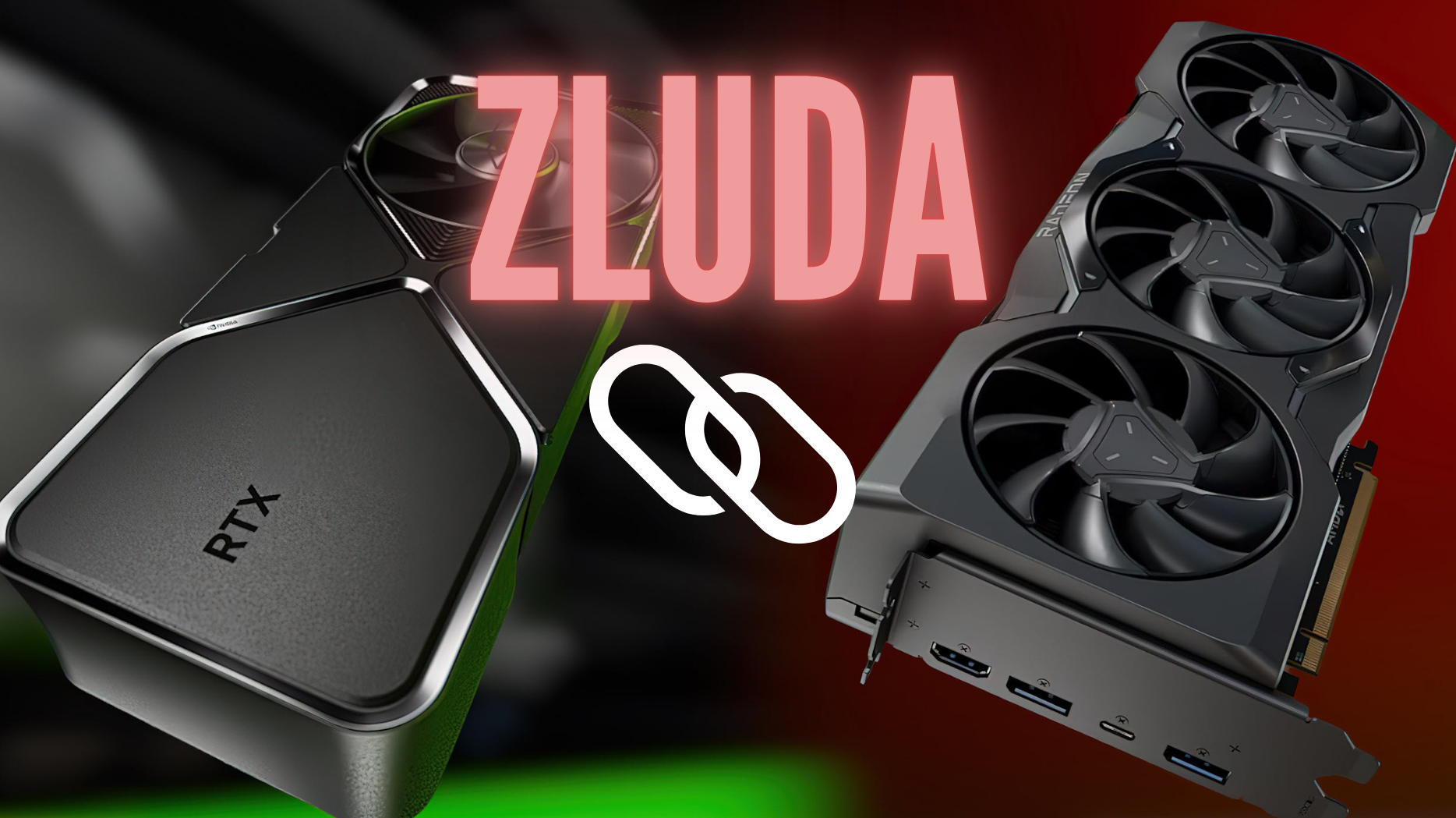
ZLUDA is once again making waves in the tech world. Known for its innovative “code porting” library, the project took a brief hiatus, but the developers are back with renewed energy and ambition.
The big news is that ZLUDA aims to dismantle the exclusivity boundaries that exist between NVIDIA’s CUDA and hardware from other GPU manufacturers. Originally, the ZLUDA library created significant buzz by enabling Intel GPUs to operate within NVIDIA’s software ecosystem. Eventually, AMD, alongside a group of dedicated developers, expanded the project to allow NVIDIA’s CUDA to run on their AI hardware. This was celebrated as a major win for the open-source community.
However, AMD decided to halt its involvement due to legal concerns. But ZLUDA isn’t done yet. According to a report, the project is being revived with a fresh focus. The team is working on a “multi-vendor” solution aimed at allowing NVIDIA’s CUDA code to run seamlessly on GPUs from various manufacturers. Recent months have seen increased activity with two key developers driving the progress, promising faster development and deployment. This endeavor could transform NVIDIA’s CUDA into a more universal platform.
In addition to broadening compatibility, ZLUDA has made significant optimizations to its technology, ensuring bit-accurate execution across various GPUs and making headway on NVIDIA’s PhysX support. While there’s no set timeline for when these advancements will become publicly available, the project is moving forward with optimism and potential.
Should ZLUDA succeed, it might redefine AI software stacks by eliminating existing exclusivity barriers, enabling different architectures to work together for enhanced performance. Currently, NVIDIA’s CUDA remains largely inaccessible to other users, and with AMD refocusing on its ROCm stack, ZLUDA could serve as a crucial bridge if it reaches fruition. This development could truly change the landscape and enable greater collaboration across platforms.