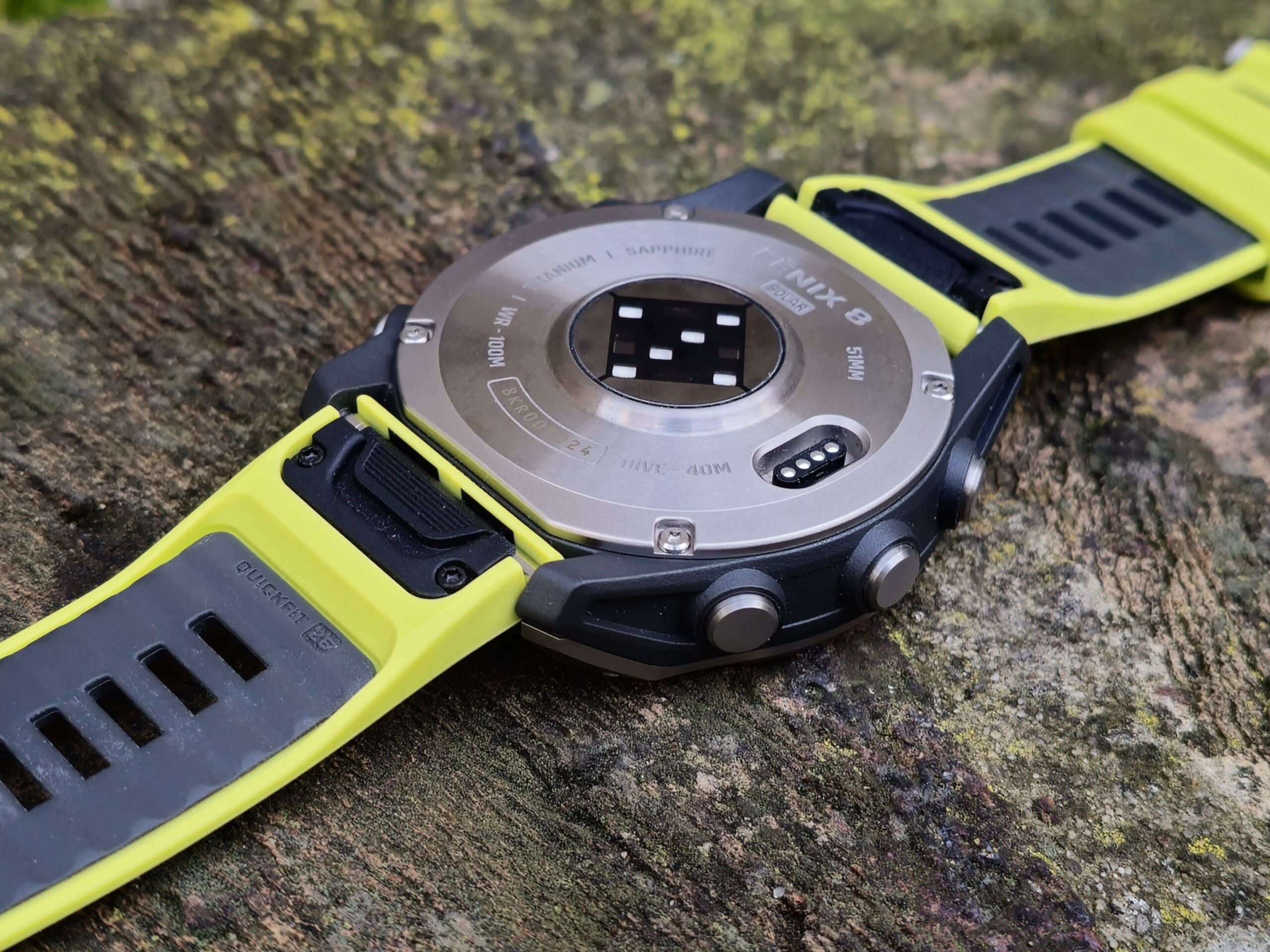
Garmin is taking strides to enhance its wearable technology, focusing on expanding health monitoring capabilities. The company, already known for its diverse health metrics, plans to delve deeper into the use of optical sensors to measure red blood cell percentages. This innovation, although promising, is still in the developmental phase.
A recently disclosed patent highlights Garmin’s interest in developing methods for long-term blood glucose monitoring. Now, another patent has emerged, detailing a technique for assessing additional health parameters. It’s important to note that patents represent concepts rather than ready-to-market technologies and may not always culminate in a finished product.
This new patent introduces a process called pulse spectroscopy. Essentially, it’s a non-invasive way to analyze blood flow through electromagnetic radiation. The documentation includes complex diagrams and absorption spectra, explaining how varying wavelengths measure different parameters. Notably, wavelengths of 850 nm and 1,000 nm are explored to determine hematocrit values. This measurement indicates the proportion of cellular components in the blood, notably red blood cells.
Understanding hematocrit levels is crucial, especially since they can spike in dehydration cases. For Garmin, a brand famed for catering to athletes, this could be a game-changer. Real-time monitoring of these levels could prompt users to hydrate more effectively, relying on concrete data rather than just heart rate or environmental cues. Interestingly, endurance athletes often have lower hematocrit levels, so tracking this parameter could also provide insights into their long-term performance.
This intriguing development could significantly benefit athletes and health enthusiasts by offering more precise health monitoring, further solidifying wearables as vital health companions.