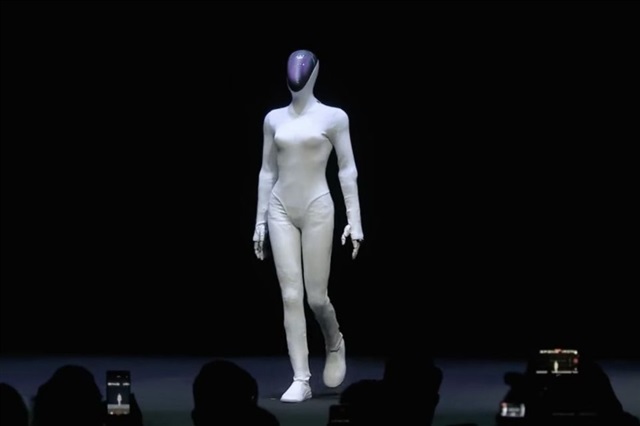
Humanoid robots are moving from science fiction to real-world showpieces, and the latest demonstrations from major tech players are turning heads across the industry. Chinese electric vehicle maker XPeng has just revealed its new-generation humanoid robot, called IRON, and its surprisingly lifelike posture and movement instantly sparked debate about how close we are to robots that can genuinely operate in human environments. Not long after that reveal, Tesla added fuel to the conversation by sharing a video of its Optimus robot running—an attention-grabbing moment that highlights how quickly mobility and balance are improving in this fast-changing field.
XPeng’s IRON drew particular interest because its stance and body language looked notably natural, a detail that matters more than it might seem. In humanoid robotics, looking “human” isn’t only about aesthetics—it often hints at better balance control, more refined motion planning, and smoother joint coordination. Those are the kinds of foundational improvements that eventually translate into everyday usefulness, whether that’s navigating crowded spaces, handling objects safely, or working alongside people without constant supervision.
Tesla’s Optimus running clip, meanwhile, focuses attention on dynamic movement—one of the hardest challenges in robotics. Running isn’t just walking faster; it demands rapid adjustments in posture, precise foot placement, and continuous correction to avoid falls. When a humanoid robot can run with stability, it suggests meaningful progress in hardware strength, actuator responsiveness, sensing, and real-time control software. It’s also a strong signal that companies are pushing beyond controlled lab demos toward more athletic, less “staged” performances.
Together, these moments underline a bigger trend: the humanoid robot race is accelerating, and leading companies are increasingly using high-visibility demonstrations to prove real capability. Investors, engineers, and everyday observers are watching closely because each leap in posture, balance, and speed brings humanoid robots closer to practical roles—like factory support, warehouse tasks, basic deliveries, and eventually assistance in public spaces and homes.
As XPeng’s IRON and Tesla’s Optimus continue to evolve, the spotlight will remain on the same question driving industry excitement: not whether humanoid robots will improve, but how soon their movements translate into reliable, scalable work in the real world.


