Xiaomi is gearing up to make a significant leap in technology with the development of its own mobile processors, expected to power some of the brand’s smartphones in 2025. Breaking away from its usual reliance on MediaTek or Qualcomm chipsets, Xiaomi is reportedly serious about its in-house silicon ambitions this time around. This could mark a pivotal moment in the tech giant’s strategy to compete with industry leaders like Huawei and Apple, who have long benefitted from their proprietary chips.
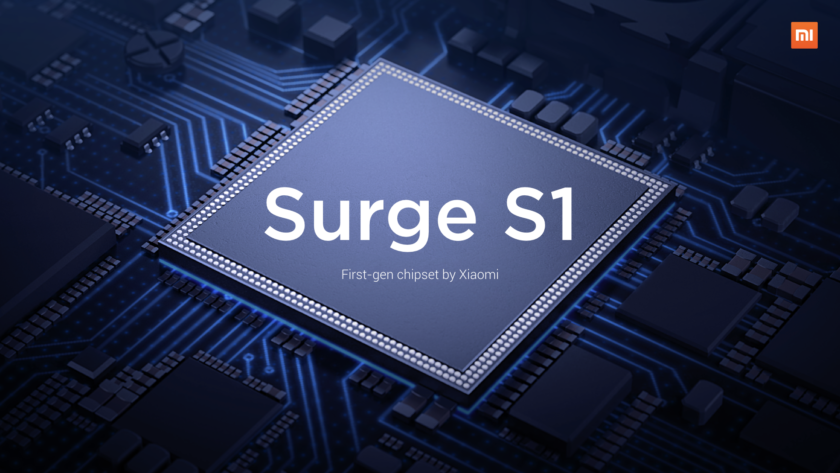
In the past, Xiaomi has dabbled in processor design with the Mi 5c, which featured the Surge S1. However, the chipset fell short in performance when compared to its Qualcomm counterparts and was not widely distributed. Despite these setbacks, Xiaomi hasn’t completely abandoned its chip-making aspirations, having continued to develop sub-processors dedicated to tasks like power management and imaging.
The long-anticipated successor to the Surge S1 is reportedly set to launch by 2025, according to inside sources. While it’s still uncertain if Xiaomi’s new chip will match the power of Apple’s latest releases, it’s clear that Xiaomi aims to shake up the current market dynamics dominated by Qualcomm and MediaTek, especially within China.
Additionally, Xiaomi’s venture into electric vehicles (EVs) may also drive the need for in-house chips, potentially offering a unified hardware and software ecosystem. As the demand for more integrated and efficient automotive tech grows, Xiaomi’s efforts in chip innovation could prove beneficial across its product lines.
This move could increase the competitiveness of Xiaomi’s products globally, elevating the brand’s presence in both smartphones and automotive tech industries. As Xiaomi continues to explore this avenue, all eyes will be on its next technological leap and the implications it may have on the tech world.