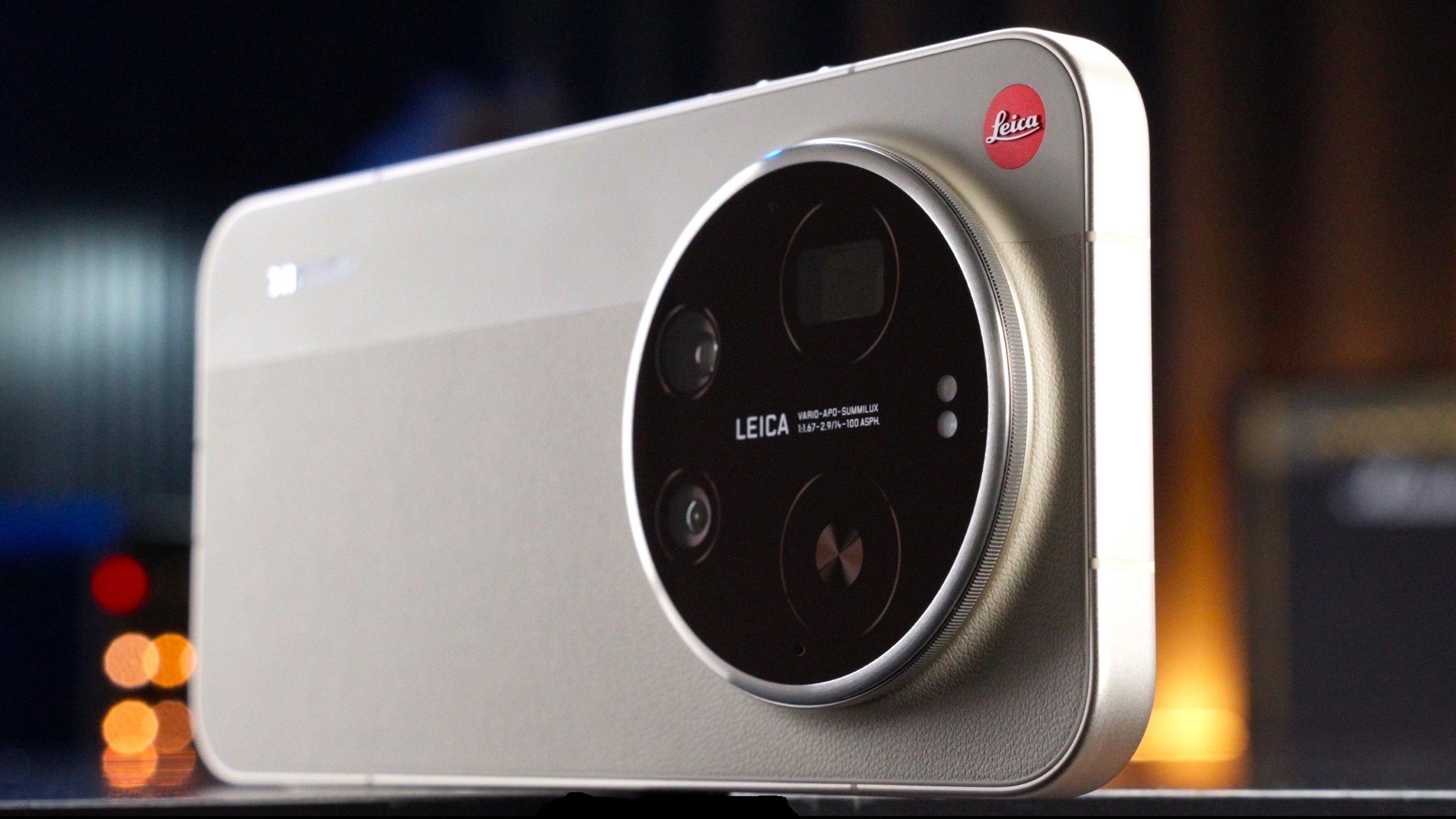
Fresh hands-on camera comparisons are shining a spotlight on the Xiaomi 17 Ultra, and the early takeaway is clear: Xiaomi and Leica are chasing higher-end image quality with noticeable upgrades that show up where it matters most—dynamic range, low-light performance, and zoom clarity.
In side-by-side portrait samples, the Xiaomi 17 Ultra’s 23mm main camera immediately stands out for its improved dynamic range, thanks largely to the new Lofic sensor. Highlights and shadows appear better controlled, giving the image a more balanced look and preserving details that can easily get crushed or blown out in tricky lighting. This kind of improvement is exactly what photography fans look for when searching for the best camera phone, especially for portraits and real-world, high-contrast scenes.
The comparison gets even more interesting at 100mm portrait zoom. Even though the Xiaomi 17 Ultra is working with a smaller aperture at that focal length, the 100mm portrait comes out significantly brighter than the Xiaomi 15 Ultra’s shot. It’s worth noting that shutter speed and ISO appear to differ between the samples, so the brightness advantage isn’t purely about hardware. Still, the end result suggests Xiaomi has tuned exposure behavior and processing in a way that helps the 17 Ultra produce a brighter telephoto portrait.
That said, brightness isn’t everything. In at least one of the compared portraits, the Xiaomi 15 Ultra actually delivers the more pleasing result. The subject’s face looks more natural, while the Xiaomi 17 Ultra version shows visible artifacts and comes off a bit soft or blurry. For anyone who prioritizes realistic skin texture and clean facial detail, that’s an important reminder that computational photography can be a double-edged sword—strong processing can lift a photo, but it can also introduce unwanted smoothing and artifacts.
Where the Xiaomi 17 Ultra seems to pull ahead without much argument is in the broader camera set—particularly in low light. In additional examples shot with the 14mm ultra-wide, the 23mm wide camera, and at 10x zoom, the newer Leica-focused flagship reportedly produces clearly better images overall. Night shots are where these differences become impossible to ignore, and the gap is described as substantial enough to raise eyebrows at how far behind the Xiaomi 15 Ultra looks in the same conditions.
One detail that makes the improvement even more notable: the ultra-wide camera uses the same 50MP ISOCELL JN5 sensor, yet the Xiaomi 17 Ultra still captures significantly better ultra-wide photos. That points to software and algorithm upgrades rather than just new hardware. In other words, Xiaomi appears to have improved its image processing pipeline—noise reduction, HDR blending, sharpening, and low-light optimization—in ways that elevate results even on an unchanged sensor.
For shoppers comparing the Xiaomi 17 Ultra vs Xiaomi 15 Ultra, the early camera results suggest a phone that’s more capable across ultra-wide, wide, and long zoom photography—especially at night—while still having room to refine portrait rendering to avoid softness and artifacts. If Xiaomi continues polishing the processing, the Xiaomi 17 Ultra could become one of the most talked-about Leica camera phones for zoom shots and low-light photography.


