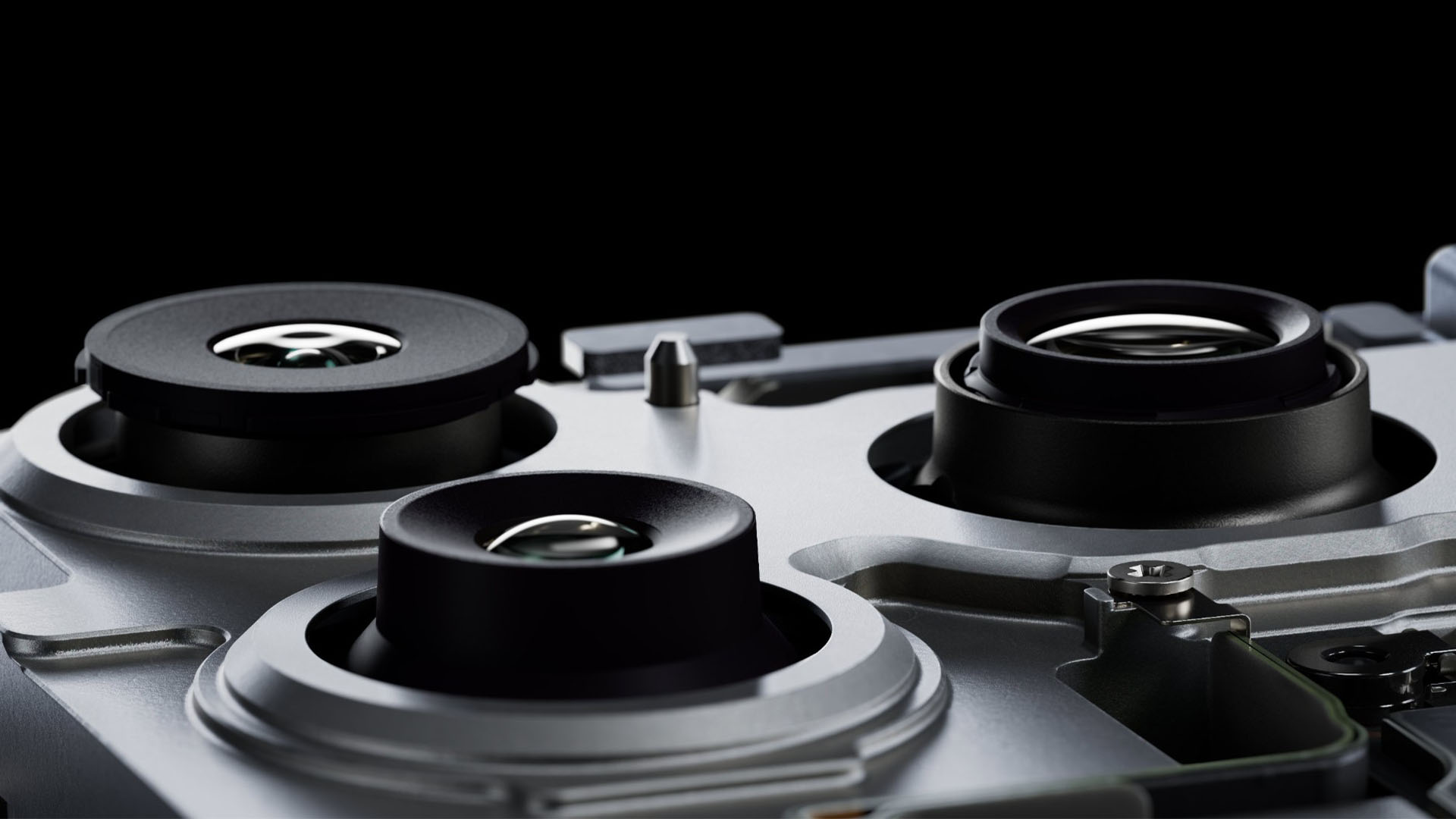
Apple is reportedly developing a custom 100MP LOFIC camera sensor for future iPhones, signaling a major shift toward in-house imaging hardware. While most smartphone makers are moving to LOFIC (Lateral Overflow Integration Capacitor) sensors from established suppliers, Apple appears to be taking the longer route with a bespoke design—an approach that mirrors its chip strategy with the A‑series processors and its reported C1/C1X 5G modem and N1 wireless projects.
What LOFIC brings to the table
– LOFIC sensors are designed to dramatically improve dynamic range by preventing highlights from blowing out, preserving details in bright scenes while maintaining low-noise performance in shadows.
– Combined with advanced stacking and processing pipelines, LOFIC is positioned to elevate low‑light photography, HDR video, and fast-action capture across flagship phones.
Where Apple stands in the LOFIC race
– Supply chain today: Apple currently sources camera sensors from Sony.
– New partner incoming: Reports suggest Samsung will join Apple’s camera supply chain with mass production targeted for 2027, including work on a 3‑layer stacked sensor said to be more advanced than the Sony units in current iPhones.
– Apple’s own solution: A tip from a well-known Weibo source claims Apple’s in-house 100MP LOFIC sensor is planned for 2028.
What rivals are planning
– Samsung is reportedly developing a 200MP LOFIC sensor with a large 1/1.1‑inch format, expected around 2026–2027.
– Sony is said to have a 1/1.3‑inch LOFIC-class sensor on the roadmap for late 2026.
– OPPO and Vivo are also working on LOFIC solutions for upcoming Android flagships.
On paper, Apple’s custom camera timeline puts it behind the earliest Android offerings. That said, Apple often arrives later with tightly integrated hardware-software packages that can outperform earlier entrants.
Key features to watch for on iPhone
– Variable aperture: The 100MP LOFIC camera is rumored to support variable aperture, a feature expected to debut with the iPhone 18 Pro and iPhone 18 Pro Max. Variable aperture would let iPhones adapt the lens opening to the scene, improving low‑light photos, motion control, and background blur without compromising sharpness.
– Imaging pipeline experience: Apple has quietly built expertise in custom imaging modules and workflows. For its F1 film project, the company used specialized gear and a custom A‑series SoC configuration to capture ProRes in lossless formats—proof it has end‑to‑end control over advanced camera pipelines. The next step is condensing that capability into a smartphone-friendly package.
Why this matters
– Short term: Expect Android leaders to tout LOFIC-based sensors first, with meaningful gains in HDR, night shots, and video.
– Mid term: Apple is likely to bridge the gap through supplier advances from Sony and Samsung, combined with a variable-aperture lens system and deeper integration with its silicon and software.
– Long term: If Apple ships an in-house 100MP LOFIC sensor in 2028, it could signal a new era of Apple-controlled camera hardware tuned precisely for iOS, ProRAW/ProRes, and computational photography.
Rumor scorecard
– Plausibility: 41–60% (Plausible – Reasonable evidence, but timelines and specifications can shift)
– Rationale: The timeline aligns with known supply chain moves, Apple’s history of vertical integration, and concurrent LOFIC development across the Android ecosystem. However, sensor specs and target years are still based on leaks and could evolve.
Bottom line
A 100MP Apple‑designed LOFIC camera reportedly targeted for 2028 would fit the company’s pattern of developing critical components in-house. In the meantime, expect big LOFIC-powered leaps from Android makers in 2026–2027, while Apple focuses on variable aperture, stacked sensors from partners, and tight software integration to keep iPhone photography competitive until its custom hardware arrives.