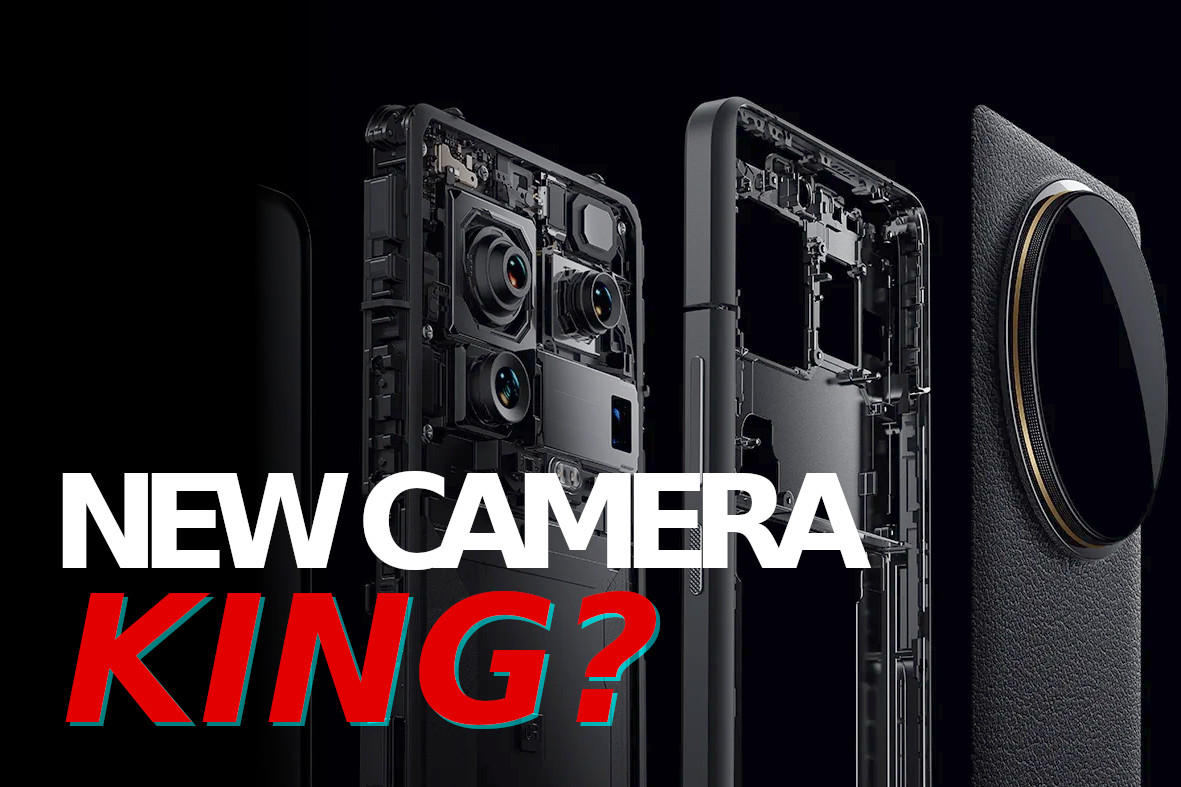
The Xiaomi 14 Ultra has generated buzz in the smartphone market, not just because of its prominently marketed 1-inch camera sensor but also due to its remarkable variable aperture feature. This innovation is, surprisingly, not the primary focus of the device’s marketing, despite its potentially groundbreaking impact, particularly in the realm of video.
Several other smartphones, including the Vivo X90 Pro, Xiaomi 14 Pro, and Honor Magic 6 Pro, have already introduced the variable aperture concept, but the Xiaomi 14 Ultra takes it a step further. This device elevates the game with what Xiaomi describes as “stepless light control.” This technology enables a continuously smooth transition of aperture blades, as opposed to operating in preset steps, which is truly transformative for video capture.
The importance of this feature comes into sharper focus when you consider video quality on phones versus traditional cameras. Many high-end smartphones still produce videos that can seem jittery when compared to footage from dedicated cameras, primarily due to varying shutter speeds that don’t align with the frame rate – a principle in videography known as the 180-degree rule.
This rule implies that the shutter speed should be twice the frame rate, which is easily manageable on standard cameras with full control over aperture, sensitivity, and shutter speed. Smartphones, with their fixed apertures, often struggle to adjust exposures without compromising the ISO or shutter speed, which can be particularly problematic for video where an increased shutter speed can adversely affect motion portrayal, resulting in an unnatural look.
Apple has been the only smartphone brand that has come close to addressing this issue, contributing to the superior video quality of devices like the iPhone 15 Pro Max. Xiaomi’s innovation with the Xiaomi 14 Ultra’s stepless variable aperture tackles this issue effectively, allowing for the control of light intake similar to a cinema camera, which promises more natural motion and the ability to adapt smoothly to varying light conditions in video capture.
The variable aperture also offers a significant exposure adjustment range. For example, shifting from f/1.6 to f/4 results in a 3 EV decrease, providing a vast range of brightness options that can enhance video quality. Moreover, a smaller aperture can improve image detail, benefit landscape photography, and open up possibilities for long-exposure shots.
In essence, the variable aperture feature on the Xiaomi 14 Ultra, along with its 1-inch sensor, has the potential to reshape the smartphone as not just a communication device but as a true competitor to compact cameras. The integration of this technology demonstrates Xiaomi’s commitment to pushing the boundaries of mobile photography and videography, setting a new benchmark for the industry.