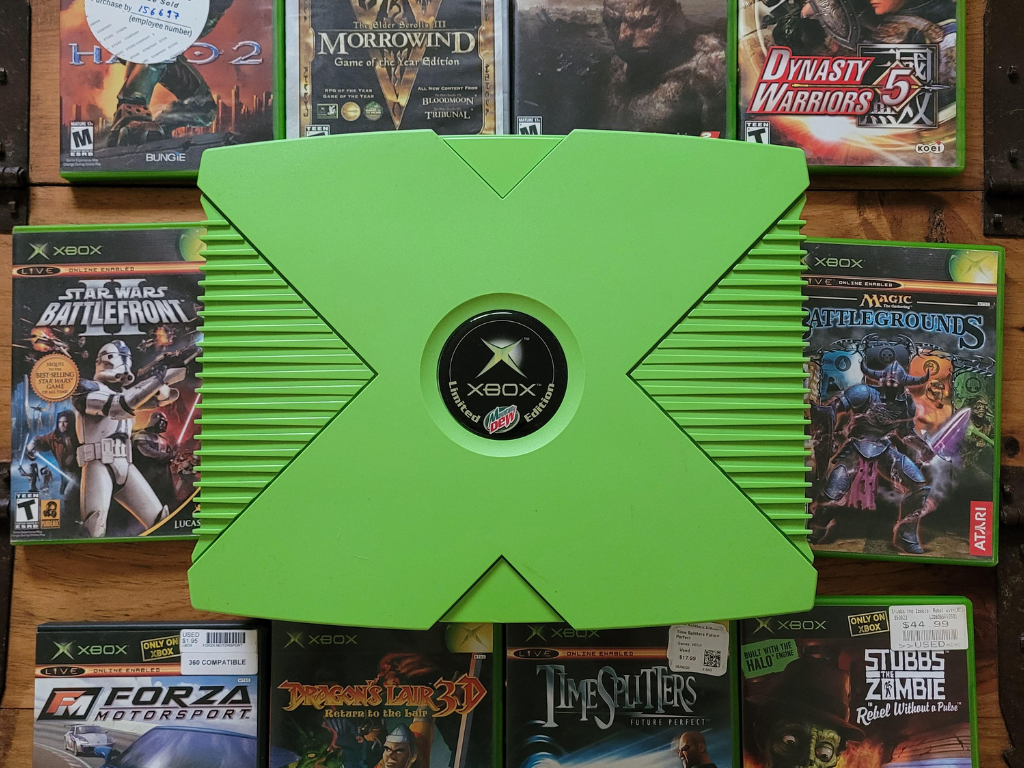
Xbox is getting ready to mark a major milestone, and longtime fans have a good reason to pay attention. As part of its 25th anniversary celebration, Xbox has hinted that several classic, iconic games from its back catalog are set to return in 2026—brought back through the quiet, ongoing efforts of a dedicated game-preservation team focused on keeping retro titles playable for modern audiences.
The tease surfaced alongside broader conversations about Xbox’s next-generation direction, including its future-facing plans tied to Project Helix. But the most exciting takeaway for many players is what this anniversary could mean for older games that helped define the original Xbox era and beyond.
Speaking during an interview at the Game Developers Conference, Jason Ronald, Xbox’s vice president of next generation, pulled back the curtain on what the preservation team has been working on for years. According to Ronald, Xbox’s anniversary plans won’t just celebrate the past—they’ll make parts of it playable again in ways that feel natural on today’s hardware.
He explained that, for the 25th anniversary, Xbox intends to release “some iconic games from the past” that will be playable in “entirely new ways.” He positioned this as a clear signal of Xbox’s long-term commitment to game preservation, making sure landmark titles don’t get left behind as technology moves forward.
What isn’t clear yet is which retro Xbox games are being selected, or exactly what “entirely new ways” will look like in practice. No specific titles were named, and no feature list was confirmed. Still, Ronald’s comments strongly suggest Xbox is building on the same philosophy it has used for backward compatibility on Xbox Series X and Xbox Series S: improve the experience without erasing what made the original game special.
If you’ve played older games via backward compatibility in recent years, you’ve already seen the kinds of upgrades Xbox can deliver without requiring full remasters. Ronald pointed to examples like Auto HDR—a feature that can add HDR-like enhancements to games that were created long before HDR displays were even common. He also highlighted FPS Boost, which can raise frame rates on select titles, making older games feel smoother and more responsive on modern consoles.
In Ronald’s view, upgrades like these can make a familiar game feel surprisingly fresh, even for players who’ve already completed it years ago. And for newer players, it’s an opportunity to experience classics in a way that fits modern expectations around performance and image quality—without losing the original identity of the game.
Ronald ended on a personal note that captures why Xbox is investing in game preservation in the first place: what feels “old” to one generation can feel completely new to the next. He described moments where his son experiences games that released before he was born, yet treats them like brand-new discoveries—reinforcing his belief that truly great games don’t age out; they simply wait for the next player to find them.
With Xbox’s 25th anniversary plans building toward 2026, retro game fans now have a big question to watch: which iconic Xbox titles are coming back, and what new features will make them feel like they belong on today’s consoles? For now, the promise is clear—Xbox wants its best games to remain playable, improved, and accessible for the next generation.