Xbox Price Hikes Still May Not Be Enough as Microsoft Reportedly Loses Money on Every Console
Microsoft’s Xbox Series X and Xbox Series S consoles have become more expensive several times during this generation, but the latest price increases reportedly still do not fully solve the company’s hardware cost problem.
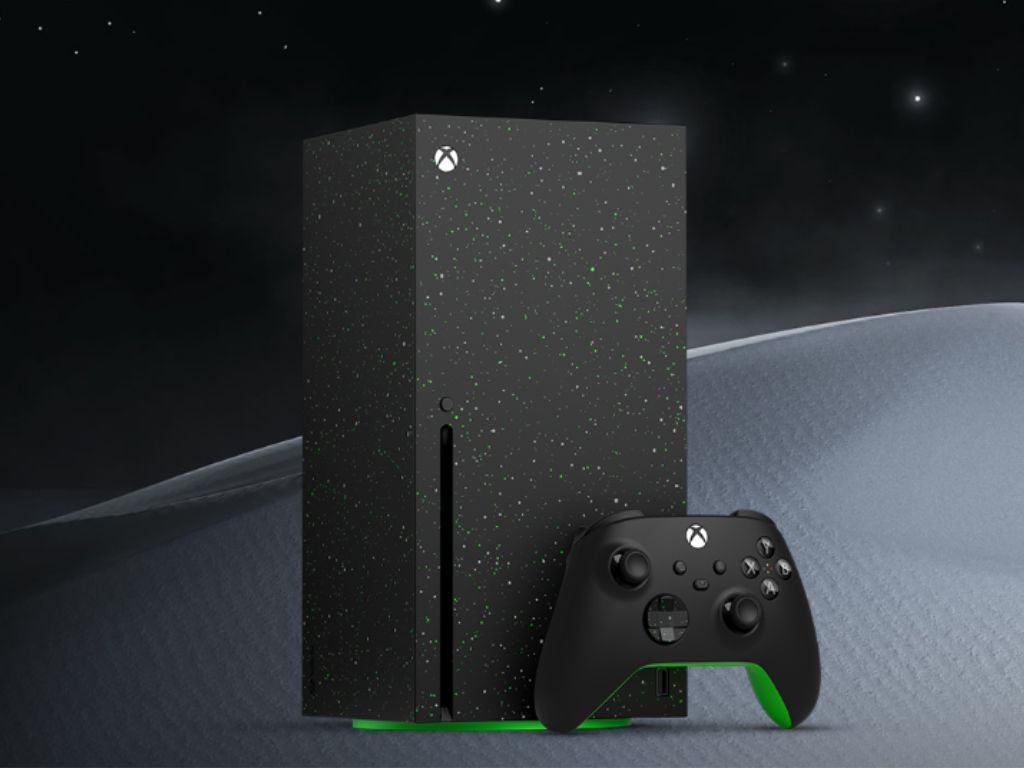
According to a recent industry report, Microsoft’s gaming division is said to be losing roughly $150 on every Xbox Series X|S console sold. That figure reportedly remains in place even after the next round of Xbox price hikes scheduled for August. Under the new pricing, the Xbox Series S 1TB model is expected to rise to $599.99, while the Xbox Series X 1TB Disc Edition is set to reach $799.99.
For many players, those prices may feel unusually high for consoles that launched years ago. Traditionally, gaming systems become cheaper over time as manufacturing improves and components become less expensive. This generation is moving in the opposite direction.
A major reason appears to be the rising cost of memory. Industry observers have pointed to what some are calling the “RAMpocalypse,” a sharp increase in memory chip prices driven heavily by demand from artificial intelligence infrastructure. As tech companies race to build more powerful AI data centers, memory suppliers are under pressure, and that pressure is spilling into consumer electronics.
The result is a difficult situation for console makers. Devices like the Xbox Series X, Xbox Series S, PlayStation 5, and Nintendo Switch 2 now face component costs that are much harder to control. Instead of receiving the usual mid-generation discounts, customers are seeing higher prices at retail.
The reported Xbox losses also help explain why Microsoft may be thinking differently about its next-generation hardware strategy. The company’s next Xbox project, reportedly codenamed Project Helix, has been described as potentially more open and PC-like than previous consoles. If Microsoft moves in that direction, pricing could become a major challenge.
A traditional console business model often relies on selling hardware at a low margin, or even at a loss, and making money back through game sales, subscriptions, and digital storefront revenue. That model works best when players remain inside the console maker’s ecosystem. If a future Xbox behaves more like an open PC, more users could buy games from competing storefronts instead of Microsoft’s own platform.
That would make it harder for Microsoft to recover hardware losses through software sales. In other words, if Xbox hardware becomes more flexible and open, it may also need to be priced more like a PC, where manufacturers must make more money upfront on the device itself.
This is one reason handheld gaming PCs and similar devices often carry higher prices. The Xbox-branded handheld made with ASUS, for example, is priced far above a typical console because the hardware maker cannot depend on years of software revenue from a closed digital marketplace. Without that built-in software ecosystem, the device has to make financial sense from the hardware sale alone.
For current Xbox owners and potential buyers, the key takeaway is that console pricing is being reshaped by forces far beyond gaming. AI demand, memory shortages, supply chain pressure, and higher component costs are all changing what companies can charge and how much they lose or earn on each system.
The situation is not limited to Microsoft. PC shipments have weakened in many markets, smartphones are becoming more expensive, and console prices are rising across the industry. The Nintendo Switch 2 is also reportedly set for a $50 price increase in September, showing that all major gaming hardware companies are dealing with similar cost pressures.
This makes the current console generation one of the most unusual in gaming history. Instead of discounts, bundles, and permanent price cuts becoming more common as hardware ages, players are seeing price increases years after launch. That shift could affect buying decisions, upgrade timing, and the overall value of console gaming.
Microsoft still has a strong Xbox ecosystem built around Game Pass, digital sales, cloud gaming, and first-party studios. However, the reported $150 loss per console highlights how difficult the hardware side of the business has become. If component prices remain high, future Xbox consoles could either become more expensive at launch or adopt a very different business model.
For now, the Xbox Series X price hike and Xbox Series S price increase suggest that Microsoft is trying to reduce its losses without completely abandoning the traditional console approach. But if memory prices continue climbing and more players shift toward PC-style gaming habits, the next Xbox generation may look very different from the one players know today.