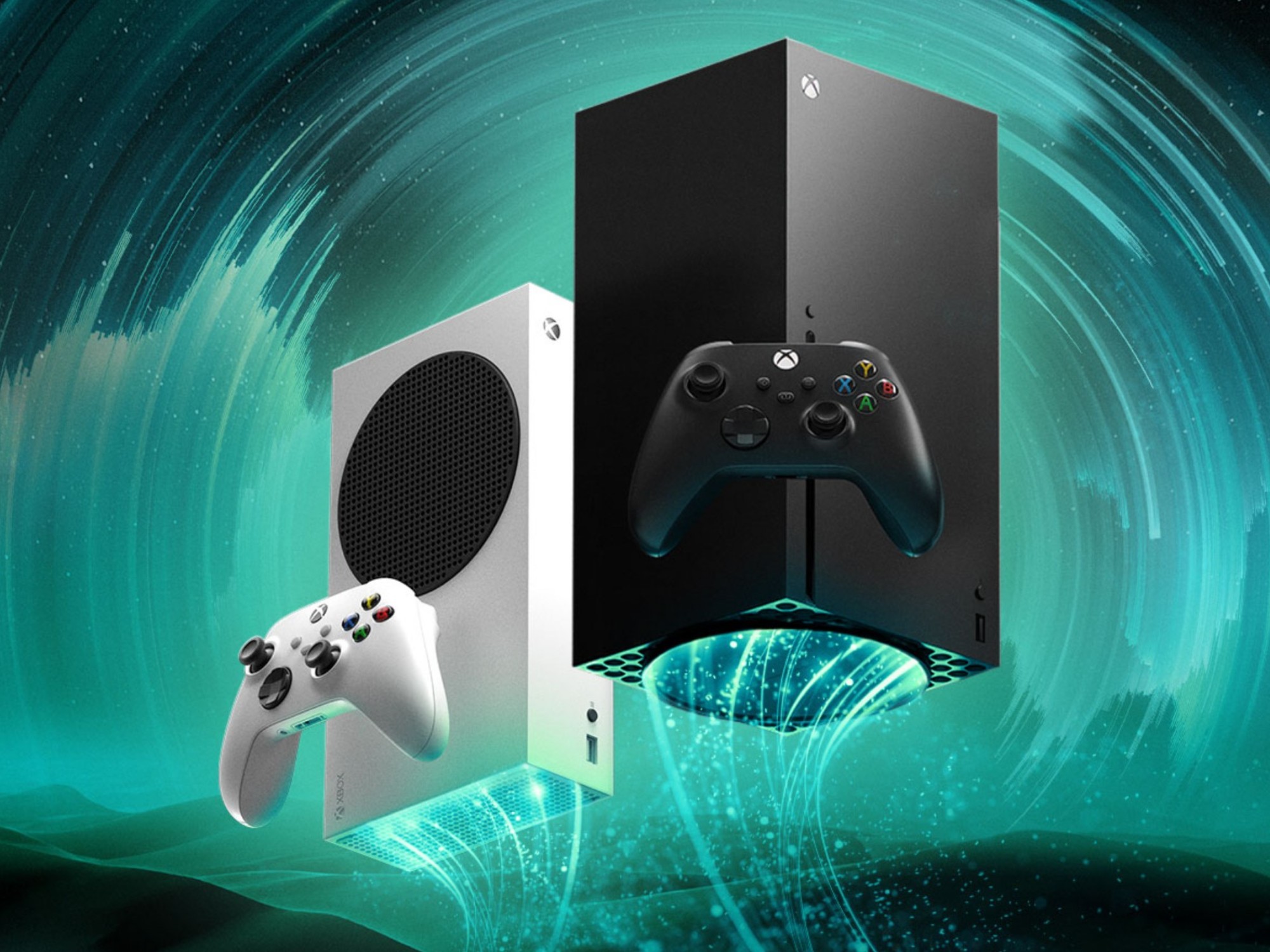
Microsoft May Be Losing Hundreds on Every Xbox Series X|S Console Sold
Microsoft’s Xbox business is facing a difficult financial moment, with rising hardware costs, weaker-than-expected game performance, and subscription pressure creating a challenging outlook for the company’s gaming division.
A recent report suggests that Microsoft may be losing hundreds of dollars on every Xbox Series X|S console it sells. While console makers have traditionally accepted early hardware losses to build a larger player base, the current generation has become far more complicated. Instead of production costs falling over time, component prices have continued to climb, making each console more expensive to manufacture.
The biggest problem appears to be the global memory and storage shortage. Demand for components has surged, partly due to the rapid growth of artificial intelligence hardware, putting pressure on supply chains and raising costs across the tech industry. According to the report, component prices have increased by around 50% during the current leadership period, and the situation may not improve anytime soon.
Xbox hardware sales were already under pressure before this latest cost crisis. Multiple Xbox price increases have not fully offset the losses, and higher prices may also make it harder to attract new buyers. The Xbox Series X, which originally launched at $499, now sits at $649.99, while the Xbox Series S has moved into the $400 to $450 range depending on the model and market.
That is a major shift from earlier expectations. In 2022, former Xbox chief Phil Spencer said Microsoft was losing around $100 to $200 on each Xbox console sold. At the time, the company had no immediate plans to raise prices. Since then, tariffs, tighter component supply, and rising manufacturing expenses have changed the economics of the console business.
The situation is not unique to Microsoft. Sony and Nintendo also face higher production costs and supply chain challenges. However, Microsoft may be in a more exposed position because Xbox hardware sales have lagged behind its biggest competitors. If the company cannot secure enough memory and storage at stable prices, increasing console sales could actually deepen hardware losses rather than solve them.
This is especially problematic because console manufacturers usually make up hardware losses through software sales, subscriptions, and digital services. Microsoft has leaned heavily on Xbox Game Pass as a central part of its strategy, but recent price increases reportedly pushed some subscribers away. At the same time, several first-party releases are said to have underperformed expectations, adding more pressure to the division.
Xbox leadership has reportedly acknowledged that the business is not in a healthy position and needs a reset. That does not necessarily mean Microsoft is abandoning gaming hardware, but it does suggest the company may need to rethink what an Xbox console looks like in the future.
One possible path is a stronger focus on cloud gaming. Future Xbox hardware could rely less on expensive internal storage, such as large SSDs, and more on streaming games from Microsoft’s cloud infrastructure. This could reduce manufacturing costs while keeping players connected to the Xbox ecosystem.
Another strategy may involve working more closely with hardware partners in different regions. By using external manufacturers or OEM partners, Microsoft could reduce tariff exposure, improve regional distribution, and create Xbox devices designed for specific markets. This approach could make future hardware more flexible and potentially less expensive to produce.
Project Helix, which is expected to arrive as early as 2027, may play a key role in this next phase. While details remain limited, it could represent Microsoft’s attempt to adapt Xbox hardware to a market where traditional console economics no longer work the way they once did.
For decades, the console business followed a familiar pattern: launch hardware at a loss, grow the user base, and recover profits through games and services as manufacturing costs decline. This generation has disrupted that model. Costs are rising, subscriptions are becoming harder to grow, and consumers are more sensitive to price increases.
Microsoft still has major strengths, including a large game library, cloud infrastructure, PC gaming presence, and well-known franchises. But the company’s Xbox hardware strategy may need to evolve quickly if it wants to remain competitive in a market where every console sold could be adding to the financial strain.