Samsung’s Mobile Business Faces Pressure as Semiconductor Profits Surge
Samsung is heading into a period where the gap between its major business divisions may become more noticeable than ever. While the company’s semiconductor division appears to be enjoying a major upswing, its mobile business is reportedly facing a much tougher financial outlook.
According to recent industry chatter, Samsung’s mobile division could deliver only a tiny fraction of the profit expected from its semiconductor unit in the second quarter of 2026. If the forecast proves accurate, the smartphone business may generate profits equal to roughly 1% of the semiconductor division’s earnings for the same period. In a more difficult scenario, the mobile division could even slip into a loss.
That would highlight a growing imbalance inside one of the world’s largest technology companies. Samsung remains a dominant name in smartphones, foldables, memory chips, displays, and consumer electronics, but its internal divisions are not benefiting equally from current market conditions.
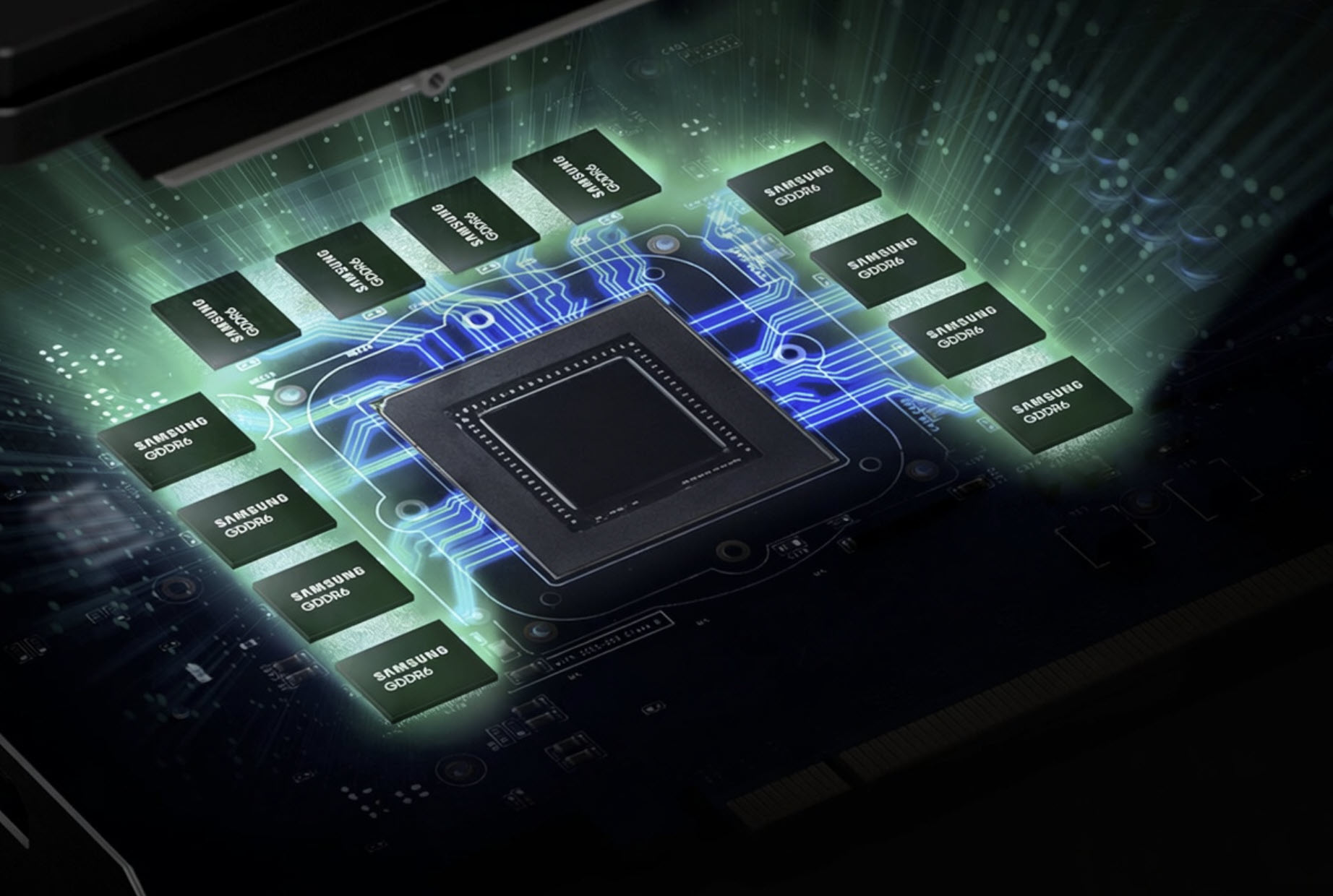
The semiconductor business is currently in a much stronger position, largely thanks to rising demand for memory products. Artificial intelligence, data centers, high-performance computing, and premium devices continue to fuel the need for advanced memory chips. As prices climb, Samsung’s chip business is positioned to capture significant profits.
The difference is also expected to show up in employee bonuses.
Based on current expectations, Samsung could post around 300 trillion won in operating profit for the year. Under a new performance-based bonus structure, memory division employees may receive a special bonus equal to 10.5% of the company’s annual operating profit. That could mean bonuses of around 600 million won, or roughly $400,000, for some memory-focused employees.
For workers in Samsung’s mobile division, the picture looks very different. Reports suggest they may receive about 6 million won, or approximately $4,000, in bonuses this year. That is about 100 times less than what some semiconductor employees could receive.
The situation underlines how dramatically market forces are reshaping Samsung’s internal performance. The same company can be thriving in one area while struggling to maintain momentum in another.
One of the biggest challenges for Samsung’s smartphone business is the sharp rise in memory prices, sometimes described as “chipflation.” Higher component costs are putting pressure on device makers across the industry. Even Apple has reportedly acknowledged that memory pricing has become unsustainable, making future price increases difficult to avoid.
For Samsung Mobile, this creates a difficult balancing act. Smartphones already face intense competition, slower upgrade cycles, and growing consumer price sensitivity. If production costs rise, Samsung must either absorb the hit to margins or pass some of the cost to customers.
That pressure may soon be reflected in the company’s upcoming foldable phones.
The Galaxy Z Fold 8 series is expected to see price increases across the lineup, with Europe and Asia likely to be among the most affected markets. The rumored Galaxy Z Fold 8 Ultra could reportedly climb above €1,999, marking an increase of more than €100 compared with previous pricing expectations.
That could become a major test for Samsung’s foldable strategy. The company has spent years building leadership in the foldable smartphone market, but higher prices may make these devices harder to sell at scale. Foldables already sit in the premium category, and further price hikes could limit their appeal to only the most dedicated buyers.
Samsung is not alone in facing rising component costs, but the company’s situation is unique because it operates on both sides of the market. Its semiconductor division benefits from higher memory prices, while its mobile division suffers from those same increases when building phones.
This creates an unusual internal contrast. What helps one Samsung business can hurt another.
The broader smartphone market also remains challenging. Consumers are holding onto devices longer, mid-range phones are becoming more capable, and premium models must offer stronger reasons to justify higher prices. For Samsung, foldables are meant to represent innovation and differentiation, but their success depends heavily on pricing, durability, software experience, and consumer confidence.
If the Galaxy Z Fold 8 and Galaxy Z Fold 8 Ultra launch at higher prices, Samsung will need to convince buyers that the upgrades are worth the added cost. Better displays, stronger hinges, improved cameras, longer battery life, thinner designs, and more advanced AI features could all play a role in making the devices more attractive.
Still, the financial divide between Samsung’s semiconductor and mobile divisions may continue for some time if memory prices remain elevated. The chip unit appears well-positioned to benefit from the current technology cycle, especially with demand linked to AI infrastructure and high-end computing. The mobile division, meanwhile, may have to navigate tighter margins, cautious consumers, and a more expensive supply chain.
For Samsung, the key challenge will be turning its smartphone business back into a stronger profit engine without sacrificing competitiveness. The company still has enormous brand power, global distribution, and a loyal user base. But in 2026, the success of its mobile strategy may depend on how well it manages pricing, product innovation, and rising component costs.
The coming quarter could make one thing very clear: Samsung’s semiconductor business is booming, while its mobile division is under growing pressure to prove it can keep pace.


