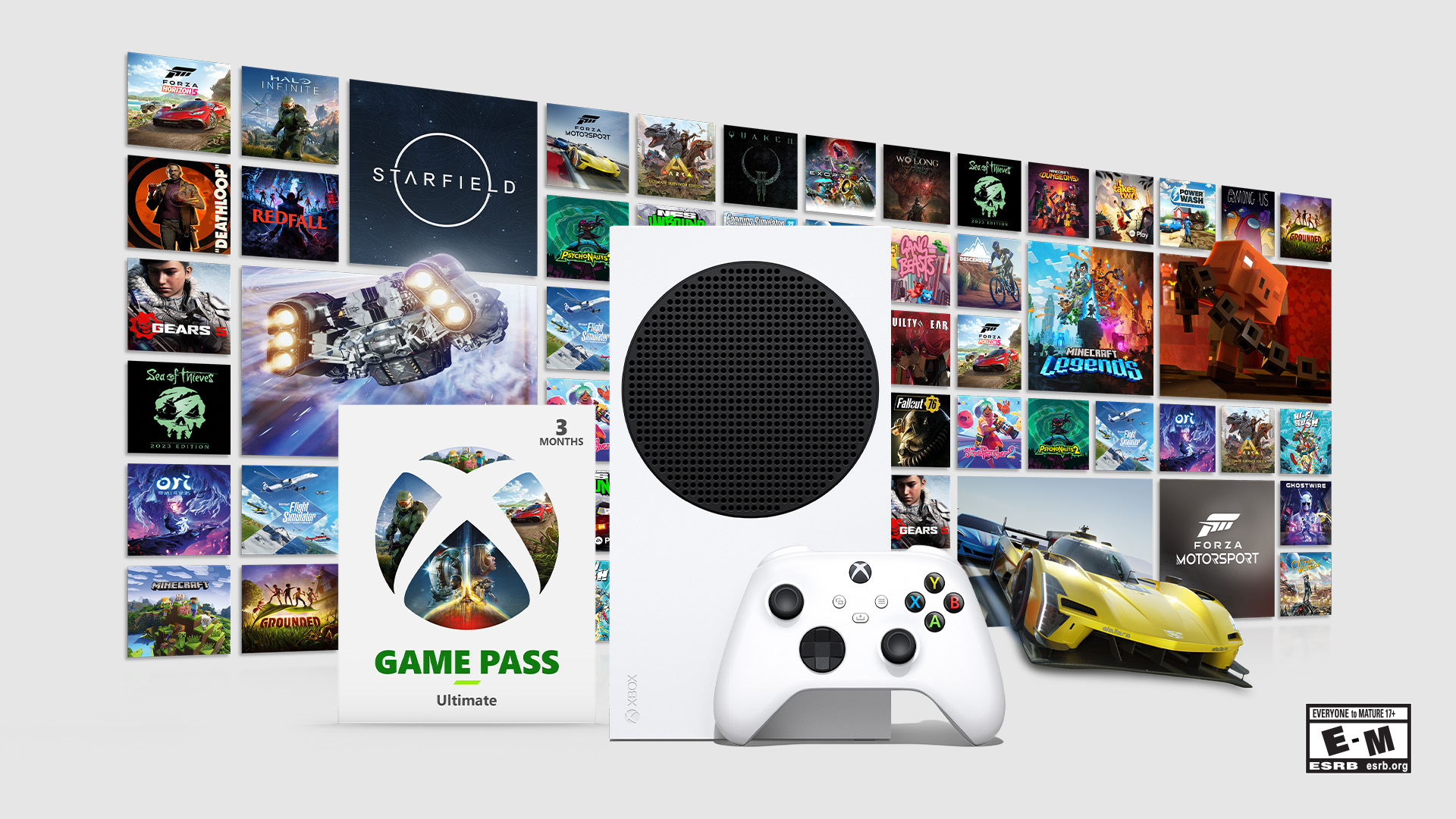
Microsoft is reportedly working on a handheld gaming console under the Xbox brand, with a speculated launch date set for 2026. The concept for this new device emerged from Federal Trade Commission (FTC) documents uncovered the previous year. Despite limited details since the initial leak, further substantiation came from Jez Corden, an industry insider and Windows Central’s Managing Editor with a track record for Xbox-related insights.
On the Xbox Two Podcast, Corden mentioned that Microsoft is committed to exploring the portable gaming market owing to the increasing demand for handheld devices. Presently in the nascent stages of development, the handheld Xbox console is not expected to hit the market anytime soon, with several years potentially required before its debut.
There’s also speculation concerning a prototype Xbox development kit that has been approved for use in South Korea, signaling possible collaborations that could influence the handheld console’s design and functionality. Samsung has been mentioned as a possible partner, although the nature of their involvement, if any, remains speculative.
As for hardware considerations, Microsoft could choose between Intel’s future Panther Lake or Nova Lake processors or perhaps AMD’s innovations featuring a Zen 6 CPU and RDNA 5 integrated GPU. Additionally, with Qualcomm advancing their Snapdragon X Elite Gaming processors, an ARM-based solution might also be in consideration for Microsoft’s untethered Xbox experience.
The target for Microsoft’s handheld console seems to be a device that can deliver near Xbox Series S performance, possibly boasting a 1080p resolution and integrating seamlessly with Xbox Game Pass. If priced strategically, such a device could tap into an extensive market of gamers looking for console-level gaming on the go.
Nevertheless, the landscape for handheld gaming devices is evolving rapidly. By 2026, Microsoft’s handheld Xbox is likely to contend with the next generation of portable gaming systems like the successors to the Steam Deck, Asus ROG Ally, MSI Claw, and even the ubiquitous Nintendo Switch. These developments highlight the competitive atmosphere that Microsoft will need to navigate to capture a share of the portable gaming market.
It’s an exciting prospect for the gaming community, as the injection of Microsoft Xbox into the handheld gaming space could drive innovation and offer gamers a wider array of options. As new information arises, gamers and tech enthusiasts will undoubtedly follow the progress of this venture with keen interest.