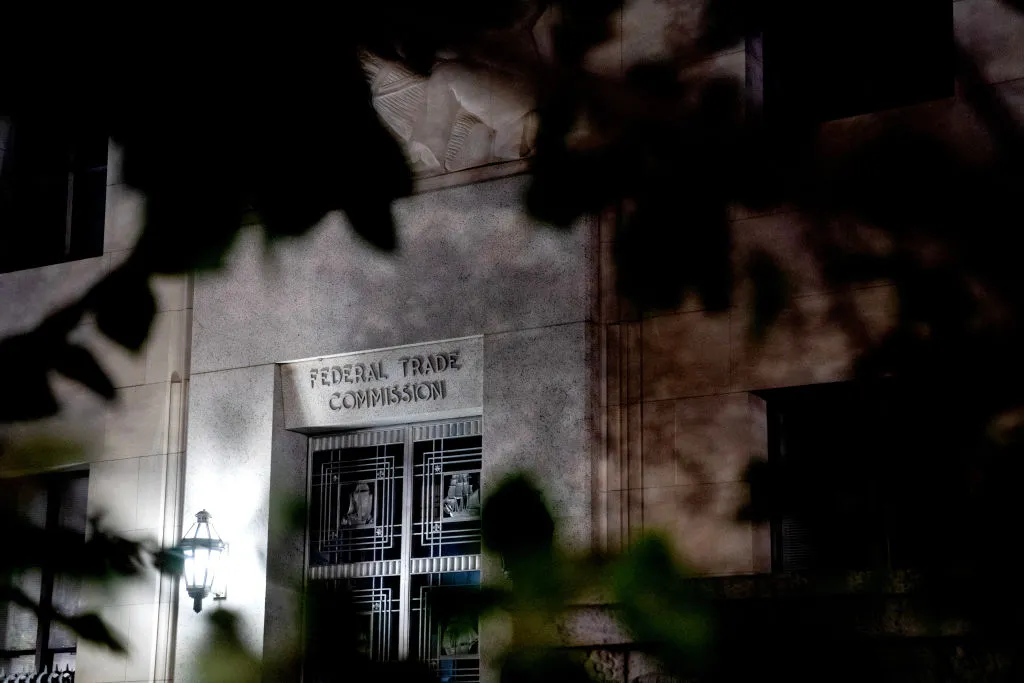
StubHub will pay $10 million to settle allegations from the Federal Trade Commission that the ticket marketplace didn’t clearly show the true, total cost of tickets upfront, including mandatory fees.
According to the FTC, StubHub promoted ticket prices on its website in a way that could mislead shoppers by highlighting a base price without plainly disclosing the full “all-in” amount consumers would ultimately pay. The agency says this conduct violated the FTC Act as well as the Rule on Unfair or Deceptive Fees, which targets hidden or confusing add-on charges that only appear late in the checkout process.
The dispute centers on a major shift in how ticket sites are expected to display pricing. In May 2025, the FTC began requiring ticket marketplaces to maintain price transparency throughout the entire ticket-buying journey. The FTC’s complaint alleges that even after the rule took effect, StubHub continued advertising ticket listings without clearly presenting the full price, fees included.
FTC Chair Andrew Ferguson called the situation particularly troubling given StubHub’s experience in the industry and its public support for all-in pricing. In his statement, Ferguson suggested the timing mattered: the complaint points to the NFL regular-season schedule release as a massive traffic and sales moment for StubHub, describing it as a “99th percentile traffic event.” The FTC alleges that StubHub executives chose to delay full compliance during this high-demand window, believing the competitive benefit from fee-excluded pricing outweighed the risk of enforcement.
The FTC said it sent StubHub a warning letter on May 14, 2025, and the company corrected the issue the following day. Even so, regulators allege StubHub was out of compliance for three days—long enough, the FTC argues, to generate profits tied to pricing practices that didn’t meet the new transparency standard.
Under the proposed settlement filed Thursday, the $10 million payment is intended to cover that short period of noncompliance. The FTC says the money will be used to return “ill-gotten” profits to consumers, primarily through refunds connected to fees paid to StubHub during the affected transactions.
StubHub, while agreeing to settle, pushed back on the FTC’s characterization. A company spokesperson said StubHub has long backed all-in ticket pricing because it makes costs clearer for fans. The spokesperson also said the settlement applies to a limited set of purchases over a three-day span in May 2025, when some listings may have shown ticket prices without including fees. StubHub said it disagrees with the FTC’s view of the case but is responding by refunding a portion of fees to impacted buyers.
The StubHub matter is part of a broader FTC campaign targeting pricing practices and alleged deception across ticketing and resale markets. In recent actions, the agency has pursued other companies and brokers over claims involving misleading price information, purchase-limit workarounds, and resale tactics that can drive up costs for consumers trying to buy tickets to high-demand events.
For consumers, the message is straightforward: regulators are increasingly focused on total ticket price transparency—meaning the number you see should reflect what you actually pay, not a base price that balloons at checkout due to “required” fees.