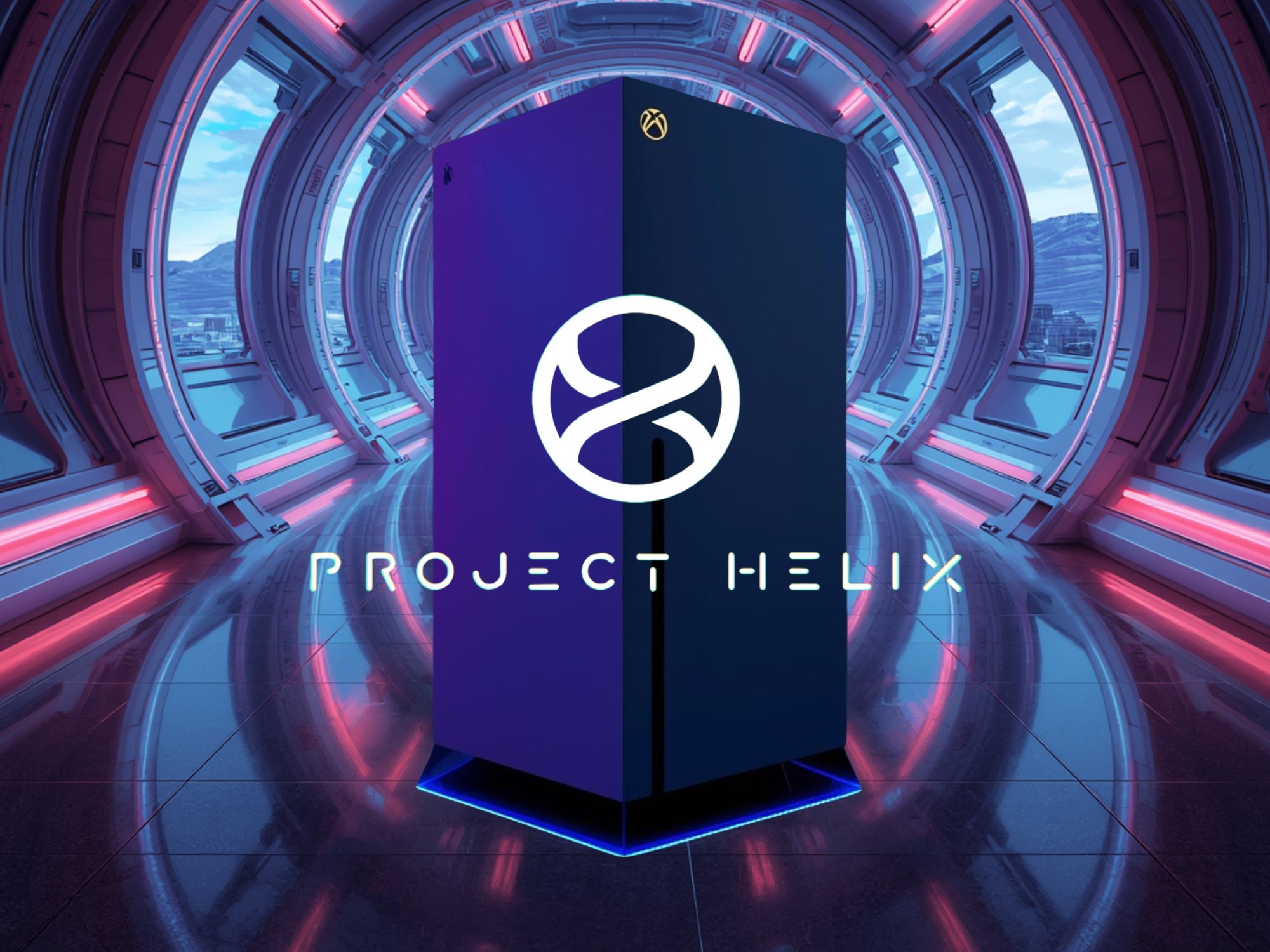
Xbox Project Helix Price Concerns Grow as Microsoft Looks for Ways to Keep the Next Console Affordable
Microsoft’s next-generation Xbox hardware, reportedly known as Project Helix, is already generating major interest among gamers. But alongside the excitement, one question is becoming increasingly difficult to ignore: how much will the new Xbox console cost?
Xbox CEO Asha Sharma has acknowledged growing concerns around the Project Helix price, especially as the gaming hardware industry continues to deal with rising memory and storage costs. With a possible launch window as early as 2027, Microsoft may be facing one of its toughest console pricing challenges yet.
During a recent tech interview, Sharma said the company is focused on using innovation to keep new Xbox hardware accessible. She suggested that simply passing higher component costs on to consumers is not a sustainable strategy, especially during what she described as an ongoing hardware crisis.
The biggest challenge appears to be the rising cost of memory and SSD storage. Sharma noted that during her first 100 days as Xbox CEO, prices for these components climbed significantly. Demand from AI data centers is also putting added pressure on supply, and she does not expect that demand to ease anytime soon.
That puts Microsoft in a difficult position. Gamers want a powerful next-generation Xbox, but they also expect a price that feels reasonable. Recent console price increases across the industry have already frustrated many buyers, and premium PC-style gaming devices are pushing well beyond traditional console pricing.
Project Helix is rumored to be a hybrid-style device that blends elements of a console and a PC. If true, that could make it more powerful and flexible than previous Xbox systems, but also more expensive to manufacture. Some reports suggest the standard configuration could include at least 36GB of unified GDDR7 memory, which would be impressive but costly in the current market.
To keep the Project Helix price under control, Microsoft may need to make strategic hardware decisions. One possibility is releasing a more affordable version alongside a higher-end model, similar to how the Xbox Series S launched as a budget-friendly alternative to the Xbox Series X. A streamlined Project Helix model could help Microsoft reach more players without forcing every buyer into a premium price tier.
Another possibility is relying more heavily on advanced upscaling and AI-powered rendering technology. Future AMD graphics features, including rumored next-generation FSR improvements, could help deliver strong visual performance without requiring the most expensive hardware configuration. If Microsoft can use smart software and efficient architecture to reduce pressure on the GPU and memory system, it may have more room to offer competitive pricing.
However, there are risks. If Microsoft cuts too much from the hardware, developers may struggle to deliver the level of performance players expect from a next-generation Xbox console. A lower price would be welcome, but not if it comes at the cost of poor frame rates, reduced visual quality, or shorter long-term support.
Another question is whether Microsoft can subsidize Project Helix in the same way console makers have done in the past. Traditionally, companies have sold hardware at thinner margins while making money through game sales, subscriptions, and digital storefronts. But if Project Helix supports a more open ecosystem with competing stores, that business model becomes harder to rely on.
This could force Microsoft to rethink how it positions Xbox hardware. If Project Helix is too expensive, it risks becoming a niche product for enthusiasts rather than a mainstream gaming platform. If it is too limited, it may fail to feel like a true next-generation upgrade.
For now, Sharma’s message is clear: Microsoft knows price matters. The company appears to be searching for ways to balance performance, affordability, and future-ready technology at a time when component costs are unpredictable.
Project Helix could become one of the most important Xbox launches in years. But its success may depend less on raw power and more on whether Microsoft can deliver the right value at the right price.