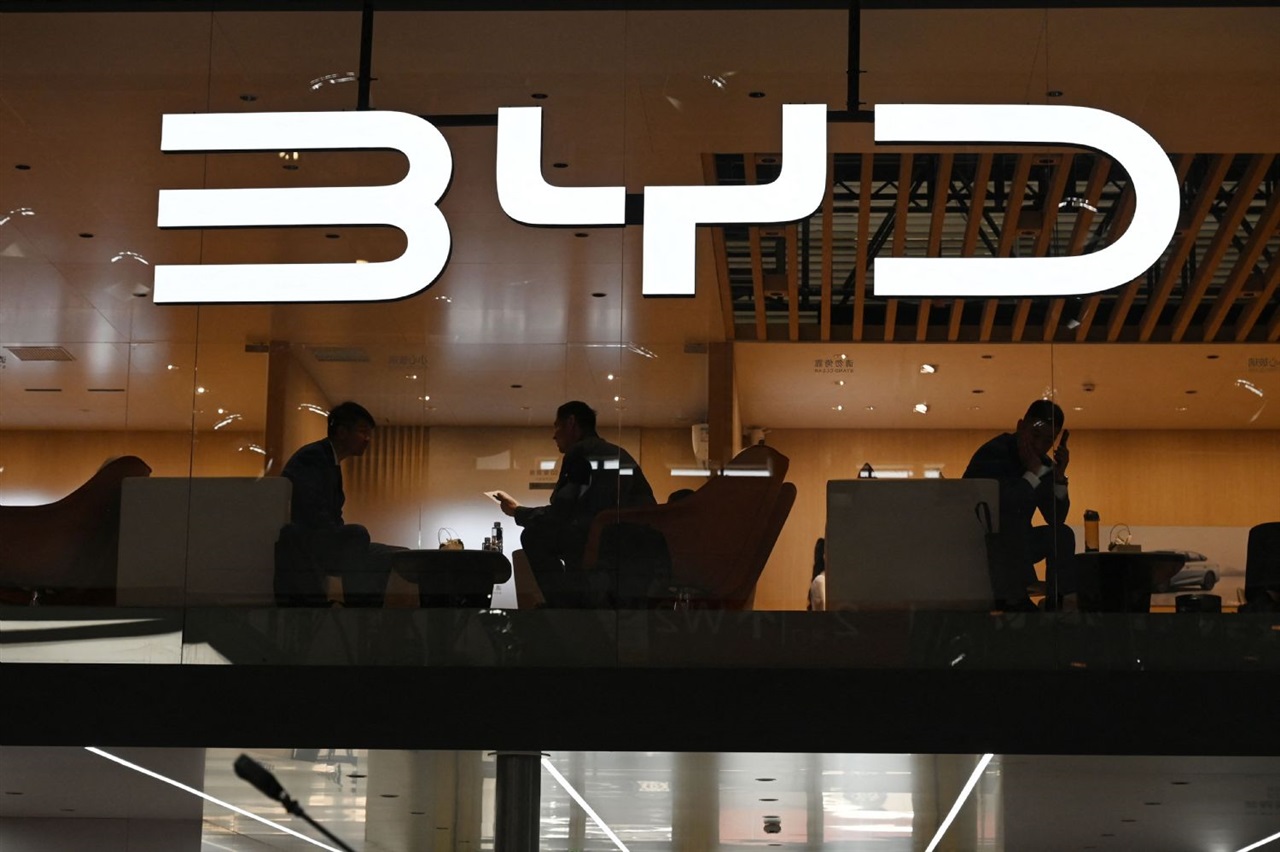
BYD reportedly set to restart India expansion as China‑India ties warm
Chinese electric vehicle heavyweight BYD is said to be gearing up to resume its push into India, a move that could reshape one of the world’s fastest‑growing EV markets. Reports indicate the company’s plans are back on the table as diplomatic relations between the two countries show signs of improvement, easing a key barrier that previously slowed foreign investment ambitions.
India’s EV landscape is at an inflection point. With rising consumer interest, growing charging infrastructure, and policy support aimed at electrifying transport, the market offers substantial room for new entrants and established players alike. If BYD moves forward, it would target a market that is rapidly scaling from early adopters to mass‑market buyers, especially in urban centers.
A renewed India strategy from BYD would likely focus on localization. Industry watchers expect any expansion to prioritize local assembly, deeper supply chain partnerships, and eventually increased component sourcing within the country. These steps help manage import duties, meet domestic content expectations, and make price points more attractive to value‑conscious buyers.
The potential benefits extend beyond vehicle sales. BYD’s global expertise in batteries and electrification could accelerate India’s manufacturing ecosystem, from battery pack assembly and power electronics to workforce training and after‑sales service capabilities. That kind of investment tends to create jobs, boost technology transfer, and encourage suppliers to expand capacity across the EV value chain.
For consumers, a BYD comeback could mean more choice across segments, competitive pricing, and greater availability of feature‑rich electric cars. Wider model variety also tends to spur competition, prompting rivals to sharpen their offerings on range, charging speed, safety tech, and total cost of ownership.
Still, meaningful hurdles remain. Any expansion would need to navigate regulatory reviews, sustain high levels of localization to keep costs competitive, and build nationwide after‑sales networks that reassure buyers about maintenance and resale value. Charging access—particularly reliable fast charging across highways and smaller cities—will also be crucial to unlocking broader adoption.
If relations continue to thaw, clearer investment pathways could speed up corporate decisions and approvals. That, in turn, would support long‑term bets such as dedicated manufacturing facilities, export‑ready production lines, and localized R&D tailored to Indian road conditions and consumer preferences.
What to watch next:
– Formal announcements on manufacturing, assembly locations, or joint ventures
– Timelines for product launches and the mix of models targeted for India
– Localization milestones for batteries, motors, and key electronics
– Partnerships for public and destination charging, especially fast charging
– Expansion of dealer and service networks to second‑ and third‑tier cities
– Pricing strategies aimed at mass‑market adoption
India’s EV transition is gaining momentum, and a renewed push from BYD would underscore how significant the country has become in the global electric car race. If the reported plans materialize, the next phase could bring intensified competition, faster tech diffusion, and a broader range of electric options for Indian drivers.