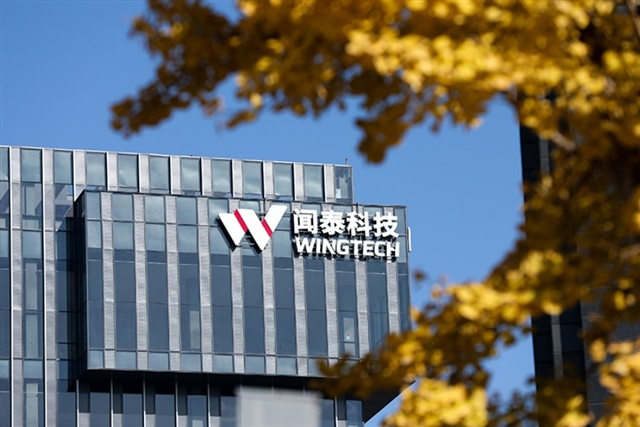
China’s Wingtech Technology is heading into one of the most challenging periods in its recent history, as deepening financial losses collide with regulatory pressure and operational uncertainty linked to its disputed control over Nexperia. What’s unfolding is more than a routine corporate setback: it’s a high-stakes situation that could reshape the company’s future, rattle investor confidence, and even raise the threat of a stock market delisting.
At the heart of Wingtech’s current turmoil is a sharp decline in financial performance. Losses have widened significantly, signaling that the company is struggling to stabilize profitability amid a complicated mix of internal and external headwinds. For investors and market watchers, widening losses aren’t just a bad quarter—they often act as an early warning sign that cash flow, operational efficiency, and long-term strategy may be under strain at the same time.
Adding fuel to the uncertainty is the intense scrutiny Wingtech is facing from regulators. When regulators become closely involved—especially during a period of worsening financials—it can slow decision-making, limit strategic flexibility, and amplify reputational risk. The closer the spotlight, the harder it becomes for a company to reassure markets that it’s fully in control of its trajectory.
A major source of disruption stems from Wingtech’s contested control over Nexperia. Nexperia is a key element in this story, and the dispute surrounding control has created a destabilizing effect that can directly impact day-to-day operations. When corporate control is contested, the ripple effects can be immediate: uncertainty inside the organization, difficulty planning future investments, and hesitation among partners who may prefer to wait until ownership or governance questions are resolved.
This convergence—widening losses, regulatory attention, and operational disruption—also raises a frightening prospect for any publicly traded company: delisting risk. Delisting concerns tend to emerge when financial deterioration becomes significant enough to threaten listing requirements or when prolonged uncertainty affects compliance, reporting, or investor protections. Even the possibility of delisting can weigh heavily on a company’s share performance, as it introduces the fear of reduced liquidity and diminished access to public capital markets.
For Wingtech, this is a pivotal moment. The company’s ability to navigate the dispute tied to Nexperia, demonstrate a credible turnaround path, and satisfy regulatory expectations will likely determine whether it can restore stability—or face deeper consequences. In the near term, investors will be watching for signs that losses are being brought under control, that oversight risks aren’t escalating further, and that operational disruption linked to the Nexperia situation is easing rather than intensifying.
If you’d like, paste the full post text (the part after “The convergence of these pressures is not merely…”) and I can rewrite the complete article with stronger SEO phrasing and a smoother, more detailed narrative while keeping the same meaning.


