Windows PC Prices Set to Rise Again as Microsoft Increases OEM Licensing Fees
Buying a new Windows laptop or desktop could soon become more expensive. PC manufacturers are already dealing with higher hardware costs, and now another pressure point is being added: Microsoft has reportedly increased Windows OEM licensing fees.
According to industry reports, the cost of Windows licenses for PC makers has gone up, creating another challenge for brands that build and sell Windows-based systems. As a result, consumers may see another round of price increases, with finished PC products expected to become around 5% more expensive in the third quarter.
The timing is difficult for the PC market. Over the past year, prices for major components have already climbed sharply. Memory, SSDs, processors, graphics cards, and motherboards have all been affected by supply constraints and rising demand, especially as the AI boom continues to absorb large amounts of production capacity.
For PC manufacturers, this means the cost of building a system is increasing from nearly every direction. Hardware is more expensive, supply remains tight in several categories, and now software licensing is adding even more pressure.
The report claims that Microsoft has raised Windows OEM licensing fees by an average of 7% to 10% starting in July. While annual increases are not unusual, this year’s adjustment appears to be larger than what many PC makers typically expect.
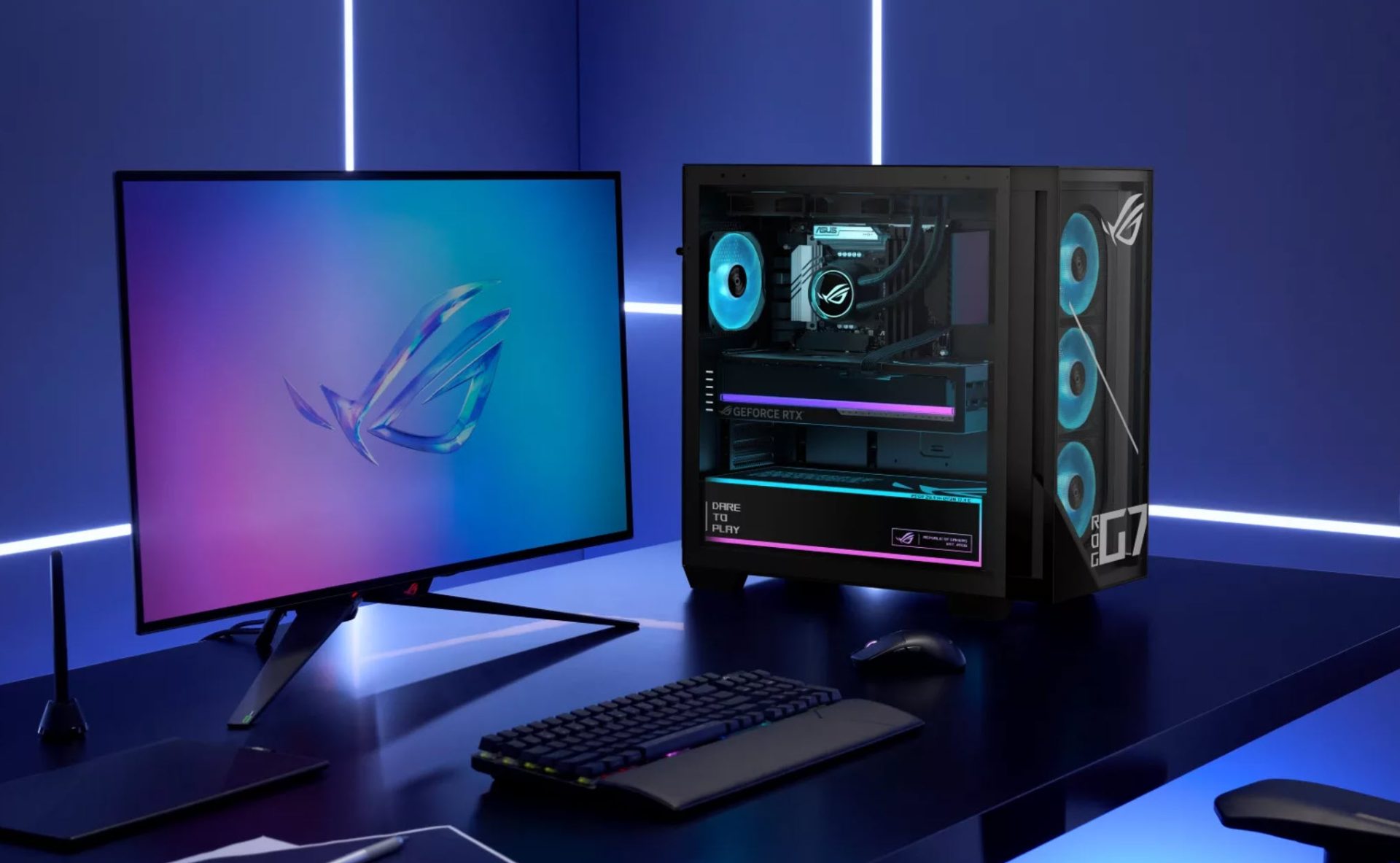
Windows licensing costs are said to vary depending on the CPU tier used in a device. In simple terms, PCs with more powerful processors may carry higher Windows licensing fees. That means premium laptops, gaming desktops, creator-focused machines, and high-end business systems could be more affected than entry-level models.
Many PC brands have already raised prices over the past several months, but those increases were often attributed to more expensive components. Going forward, software costs may become a more visible factor behind rising Windows PC prices.
The concern for manufacturers is that the PC market is not exactly booming right now. Demand has slowed, shipments have weakened, and consumers are becoming more cautious about upgrading. If prices continue climbing, buyers may delay purchases even longer, which could put additional pressure on PC brands.
Taiwan-based manufacturers ASUS and Acer have reportedly informed the market that their products will see additional single-digit price increases this quarter. ASUS has already seen a notable rise in average product pricing compared with previous periods, showing how much pressure has built up across the PC supply chain.
Higher prices can help boost revenue in the short term, especially when companies are forced to pass costs on to customers. However, the bigger risk is long-term demand. If laptops and desktops become too expensive, many consumers may simply choose to keep their current systems for another year or more.
For anyone planning to buy a new Windows PC, this could be an important moment. With component costs still elevated and Windows licensing fees now reportedly rising, prices may continue moving upward in the coming months. Shoppers looking for a new laptop, gaming PC, workstation, or business desktop may want to compare current deals carefully before the next wave of increases reaches store shelves.