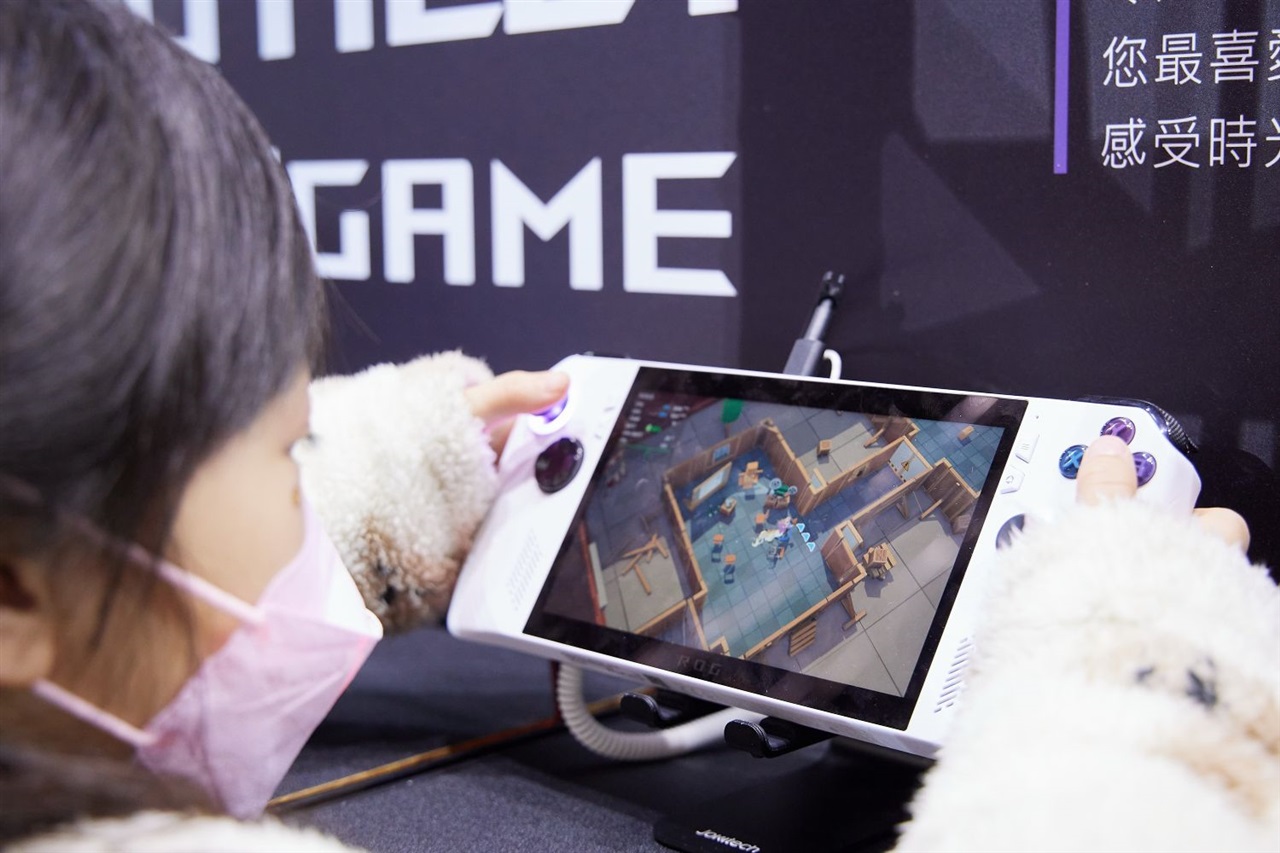
Global Windows handheld gaming device shipments are on track for a major jump in 2026, fueled by rapid advances in AI-driven graphics and smarter on-device computing. Industry watchers now expect worldwide shipments of Windows-based handheld gaming PCs to climb more than 50% year over year, reaching around 1.7 million units in 2026.
A big reason behind this growth is the rising adoption of AI upscaling technology. By using AI to intelligently enhance image quality and boost frame rates, handheld devices can deliver smoother gameplay and sharper visuals without requiring the same level of raw graphics horsepower. For players, that can mean better performance in demanding PC games while keeping heat and power usage under tighter control—two of the biggest challenges in compact gaming hardware.
Another key upgrade arriving in the next generation of Windows handhelds is deeper integration of neural processing units (NPUs). These dedicated AI engines are being built into more handheld processors, allowing AI workloads to run more efficiently than when handled only by the CPU or GPU. In real-world use, NPU-assisted AI computing can help optimize performance, reduce the load on other components, and potentially improve how the system manages resources while gaming or multitasking.
This combination of AI upscaling and NPU support doesn’t just improve gaming. It also strengthens the appeal of Windows handhelds as true mini PCs—portable devices that can handle productivity tasks, media, browsing, and general computing in addition to playing games. That flexibility is a major selling point: a Windows operating system gives users access to games across multiple platforms and storefronts while also providing the familiar tools and software support people expect from a PC.
The handheld gaming market has expanded quickly in recent years, helped along by the mainstream success of hybrid and PC handheld devices. With more manufacturers and models entering the space, Windows-based handheld gaming devices are increasingly seen as one of the most promising categories—blending PC gaming libraries with the convenience of portable play.
Still, there’s a catch that could determine whether this rapid growth continues beyond 2026: battery life. Performance improvements and AI features can make handhelds more capable, but long-term momentum will depend heavily on how much manufacturers can extend real gaming time away from a charger. If battery technology and power efficiency don’t keep pace with rising expectations, the market may find it harder to sustain the same level of expansion over the long run.
For now, the outlook remains strong. As AI upscaling becomes a standard feature and NPUs play a bigger role in handheld processors, Windows handheld gaming PCs are positioned to attract more gamers and tech enthusiasts looking for a portable device that doubles as a compact PC—helping push shipments toward a new high in 2026.