Google Home Speaker and Home Display Could Finally Get Answers at Google I/O
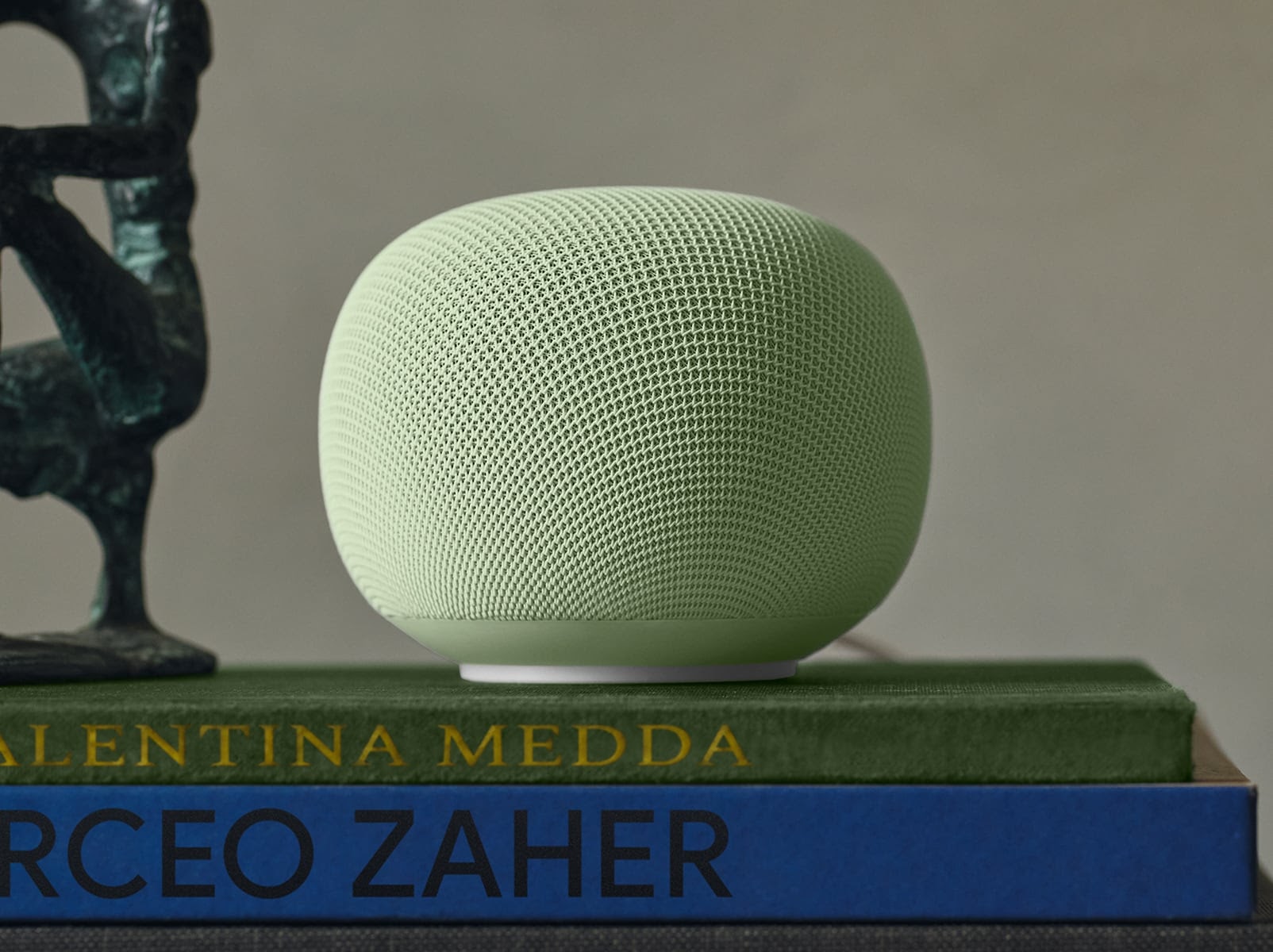
Google’s smart home lineup may be on the verge of its biggest refresh in years. The Google Home Speaker has already been visible in the US Google Store for some time, but despite its official reveal in September 2025, the device has still not reached customers. Google previously pointed to a “Spring 2026” launch window, and with spring nearly over, attention is now turning to Google I/O for clarity.
The delay has made the Google Home Speaker a curious case. It was announced months ago, shown in multiple colors, and positioned as a major step forward for Google’s connected home strategy. Yet buyers are still waiting for a firm release date, pricing details, and a clearer explanation of how the new speaker will improve on earlier Google and Nest smart devices.
Adding to the excitement, recent findings in the Google Home app suggest that another device may be in development: the Google Home Display. This product could become the long-awaited successor to the Nest Hub series, which has not received much attention lately. The change in naming is especially interesting. Instead of using the familiar “Nest Hub” branding, Google may be moving toward a simpler “Google Home” identity across its smart home hardware.
There is also growing speculation that the Google Home Display could introduce a more flexible design. One possibility being discussed is wall mounting, which would make the display more useful as a central smart home control panel. If true, it could appeal to users who want a permanent dashboard for lights, cameras, thermostats, music, video calls, and home automation routines.
Google I/O, scheduled for May 19–20, is usually more focused on software than hardware. However, the timing of these recent smart home clues makes it likely that Google will at least mention its upcoming home devices during the event. Even a short update would be welcome, especially for users who have been waiting since last year for the Google Home Speaker to finally arrive.
Artificial intelligence is expected to dominate Google I/O, with Gemini likely taking center stage. That could be very important for the future of Google’s smart home products. The new Google Home Speaker is expected to rely heavily on Gemini Live, which may allow for more natural conversations, smarter responses, and better control of connected devices compared with the older Google Assistant experience.
If Google gets it right, the Google Home Speaker could feel less like a basic voice-controlled gadget and more like a true home assistant. Users may be able to ask follow-up questions more naturally, manage daily tasks with fewer rigid commands, and control smart home devices through more conversational language.
Still, Google has work to do. The smart home market is competitive, and delays can weaken excitement around new devices. Many users are already familiar with rival smart speakers, including Amazon’s Echo lineup, which offers affordable options such as the Echo Dot. Amazon has also been pushing its own AI-powered assistant features, giving Google even more reason to move quickly.
For now, the biggest questions remain unanswered: When will the Google Home Speaker actually launch? How much will it cost? Will the Google Home Display be announced soon? And will Gemini make Google’s smart home ecosystem feel dramatically better than before?
Google I/O may finally provide the answers. If the company is serious about reviving its smart home hardware, this is the perfect moment to show how the Google Home Speaker, Google Home Display, and Gemini-powered home experiences fit together. For anyone waiting to upgrade their smart home setup, the next few days could be worth watching closely.