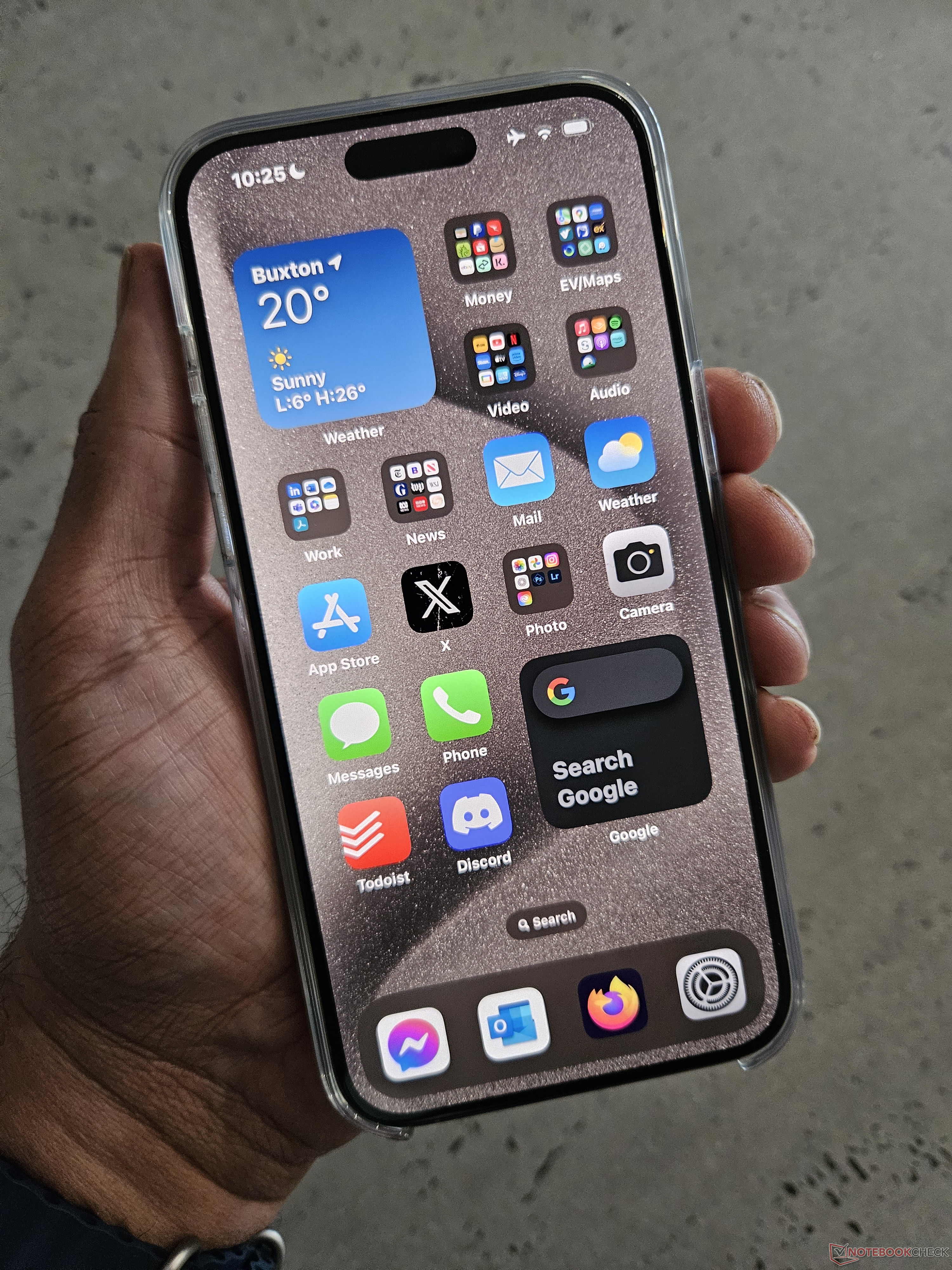
As the reigning smartphone giant, Apple has firmly positioned its iPhone at the forefront of the market, shaping user behavior with its app-driven ecosystem since the device’s inception in 2007. The synergy between Apple’s hardware and its App Store has established an unrivaled business model without any substantial alternatives to challenge its dominance.
Despite this, the emergence of generative AI poses a potential disruption to the iPhone’s app-focused narrative. With advances in artificial intelligence, particularly large language models (LLMs), a fresh wave of smartphone technology is brewing, signaling a future where the maxim “There’s an app for that” may give way to a seamless interface where apps become ancillary.
At the heart of this innovation wave is Deutsche Telekom, which has recently showcased its ambitions for an AI-driven smartphone future at the Mobile World Congress 2024. The T Phone, envisioned by the telecom provider, seeks to integrate a natural AI interface developed in collaboration with generative AI pioneer Brain AI, redefining the user experience by placing voice-controlled AI at the core and traditional apps on the outskirts.
Echoing this AI-forward approach is Humane with the Ai Pin, a wearable device that bypasses traditional displays to maintain user focus on the surrounding environment, and the Rabbit R1, a digital AI companion to smartphones. Both devices prioritize AI interactions over standard app usage, offering new ways to engage with digital services directly through conversational AI models. The traction gained by these innovations, demonstrated by the impending release of the Ai Pin in the US and remarkable sales of the Rabbit R1, suggests a growing consumer appetite for such products.
The concept of an AI-centric phone has also attracted the interest of industry luminaries like Jony Ive, the former Chief Design Officer at Apple. Reports suggest that Ive’s design firm, Love From, which boasts a team comprising ex-Apple designers, has joined forces with OpenAI CEO Sam Altman to develop a new AI-Phone. With OpenAI’s leading role in generative AI, expectations are high for the project, although details about its release and design philosophy remain scant.
Meanwhile, Apple’s strategy toward integrating AI into its devices has been less aggressive. Its focus has primarily revolved around Siri and computational photography algorithms. With the cancellation of the Apple Car project, Apple is said to be otherwise preoccupied with ventures like launching Vision Pro. Nonetheless, the upcoming iOS 18 release is poised to strengthen the company’s AI proposition, enhancing Siri’s capabilities and incorporating generative AI features.
In contrast to Apple’s cautious stance, Google and Samsung have been more upfront in marrying AI with their products. Google’s Pixel smartphones have progressively featured AI systems over the past eight years, while Samsung recently introduced generative AI features in its Galaxy S24 series.
As we stand at a critical point in smartphone evolution, it remains to be seen whether Apple’s successful app-driven model can withstand the shift toward a novel AI-centric paradigm. Generative AI’s advanced capabilities, ranging from web searches to media editing and managing bookings via voice commands, are rapidly changing the game.
Apple’s inclination to stick to its established app-based ecosystem may be tested as generative AI reshapes expectations and usage patterns. The tech titan faces crucial questions: How long can it maintain its current course, and how swiftly can it pivot to integrate AI technologies more profoundly into its iPhones?
For now, only time will reveal whether user habits are too deeply ingrained for immediate change or if generative AI will prompt a swift and transformative shift in the smartphone landscape.


