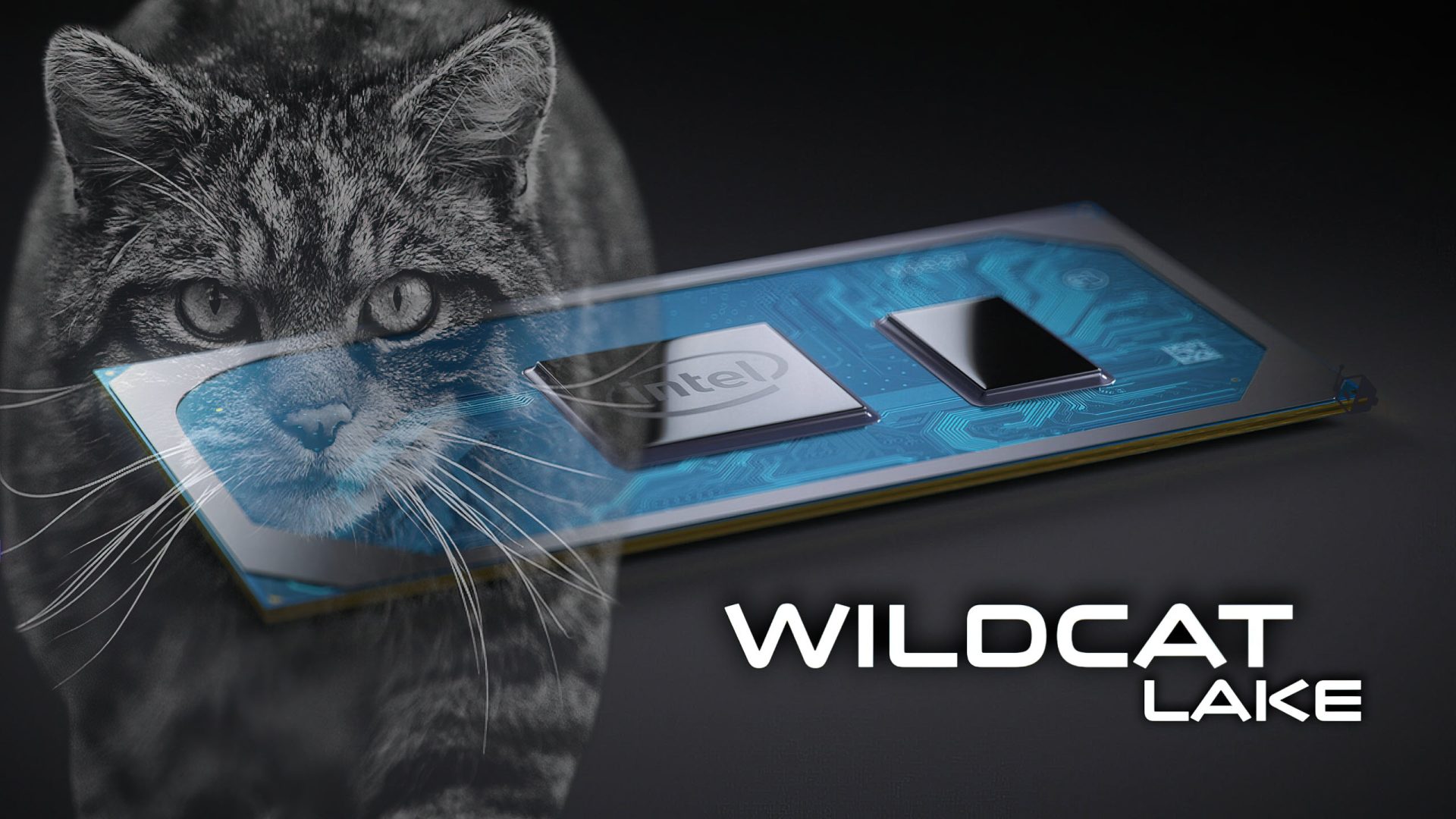
Fresh details about Intel’s upcoming Wildcat Lake CPUs have surfaced in an NBD shipping manifest, giving an early look at what this new ultra-low-power lineup is shaping up to be. Positioned as the successor to Alder Lake-N and Twin Lake, Wildcat Lake is designed for highly efficient, compact devices such as thin-and-light laptops and mini PCs—systems where battery life, thermals, and small footprints matter as much as everyday performance.
According to the shipment listing, Wildcat Lake chips are expected to run at up to 15W, which is slightly higher than some of Intel’s previous ultra-efficient parts in this class. The same leak points to a boost clock reaching up to 1.5GHz and 6MB of L3 cache. While those figures won’t set performance records, they align with the product’s mission: efficient computing for entry-level and low-power designs rather than high-wattage speed.
Core configuration details are also starting to come into focus. Wildcat Lake is said to use a 2+4 setup, combining 2 Cougar Cove Performance cores with 4 Darkmont LP-E cores. Notably, it’s expected to skip traditional Efficient cores altogether, leaning instead on LP-E cores to handle background tasks and light workloads more frugally. That approach could help Intel push better efficiency in always-on, always-connected style devices and compact PCs that prioritize low heat and quiet operation.
Another important shift is in the physical design. Wildcat Lake is expected to use a chiplet-based approach rather than a monolithic die. Previous information suggests support for modern connectivity and memory standards, including Thunderbolt 4 and LPDDR5X/DDR5. Because these chips are reportedly smaller than Intel’s Panther Lake SoCs, they’re also expected to land in a BGA 1516 package, which is significantly smaller than the BGA 2540 package associated with Panther Lake. In practical terms, that could help device makers build smaller systems, simplify board layouts, or free up room for cooling and battery capacity.
Even though Wildcat Lake is considered an entry-level family, AI capabilities appear to be a major talking point. The platform is expected to offer up to 40 TOPS of AI performance when combining CPU, GPU, and NPU compute. The breakdown suggests up to 18 TOPS from the GPU, a similar level from the NPU, and up to 4 TOPS from the CPU. That kind of on-device AI headroom could be useful for modern features like background noise removal, video enhancements, local inference for assistant-style tools, and power-efficient AI tasks that don’t need to be sent to the cloud.
On the graphics side, expectations are more modest than higher-tier Intel platforms. The integrated GPU is said to include 2 Xe3 cores, which likely means it won’t match the stronger integrated graphics found in more performance-oriented Intel chips. Still, it should be adequate for daily productivity, media playback, and lightweight creative or casual gaming workloads—especially in the types of thin laptops and mini PCs Wildcat Lake is targeting.
As for timing, there’s no official launch date yet, but current expectations point to a release in the first half of this year. A refreshed Wildcat Lake lineup is also anticipated for next year, suggesting Intel plans to keep this ultra-efficient category on a steady update cadence.
If you’re comparing generations, the leaked positioning is clear: Wildcat Lake aims to modernize the Alder Lake-N/Twin Lake class with newer CPU cores, a chiplet design, updated platform features, and a much stronger emphasis on built-in AI acceleration—while staying within the 9–15W power envelope that budget laptops and compact desktops tend to rely on.