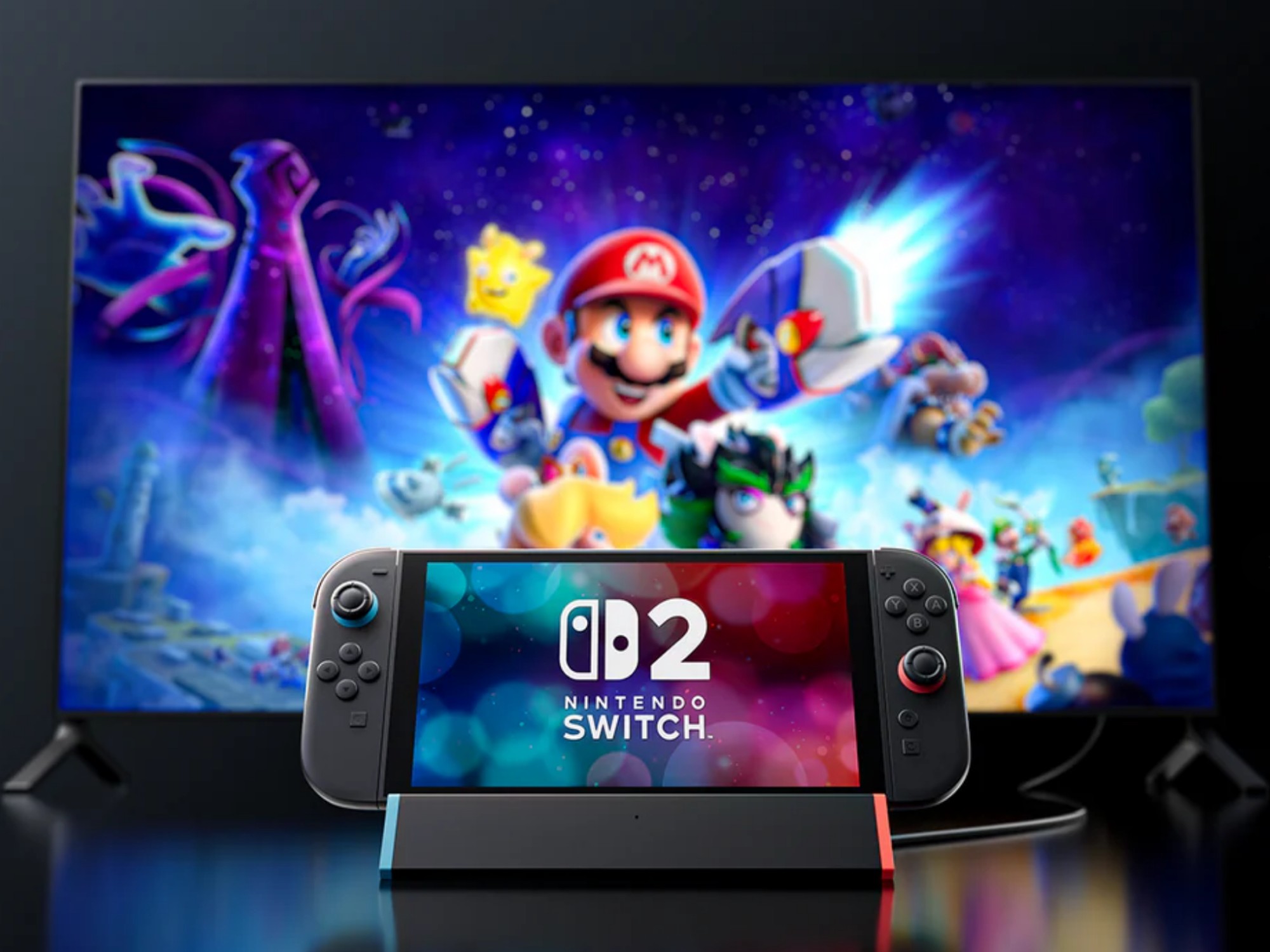
Gamers were eagerly anticipating that the USB-C port on Nintendo’s latest console would seamlessly work with third-party Switch 2 dock solutions. The idea was that owners could easily connect USB-C to HDMI adapters and various other accessories. However, many of these products either partially function or don’t work at all.
In an investigation by Sean Hollister, it was revealed how Nintendo has safeguarded these ports against third-party compatibility. When an accessory connects through a USB-C port with power delivery, it uses structured messages to communicate. This communication ensures that devices like gaming handhelds or laptops receive the correct amount of power, avoiding potential damage. Some of these connections can also activate modes like video signal transmission.
Hollister tested various Switch 2 dock candidates along with a Windows PC using a USB-C charging tester. The findings showed that Nintendo’s official dock utilizes proprietary messages when interfacing with the console. Since third-party accessories don’t send the same codes, they mostly fail to function. Interestingly, the $36 Antank S3 Max TV dock was an exception, as the Switch 2 appears to recognize its requests.
It also seems that the Switch 2 limits its video output with encryption. Although the S3 Max TV dock is functional at the moment, there’s potential for Nintendo to block it through firmware updates in the future.
Nintendo might justify this by citing fears of damage caused by docks not delivering the correct voltage. Despite this, their own accessory comes with a high price tag of $120 and isn’t always available. Users have also reported issues with the official dock; its Ethernet port sometimes disconnects, and its design may obstruct console ventilation, risking overheating.
Comparisons have been drawn to Apple, known for its proprietary port strategies. Fortunately, the new console is more friendly to other third-party accessories, such as pro controllers and headsets.