UK Looks to Taiwan’s Semiconductor Success as a Blueprint for Growth
The United Kingdom is taking a closer look at Taiwan’s world-leading semiconductor industry as it works to strengthen its own position in the global chip supply chain.
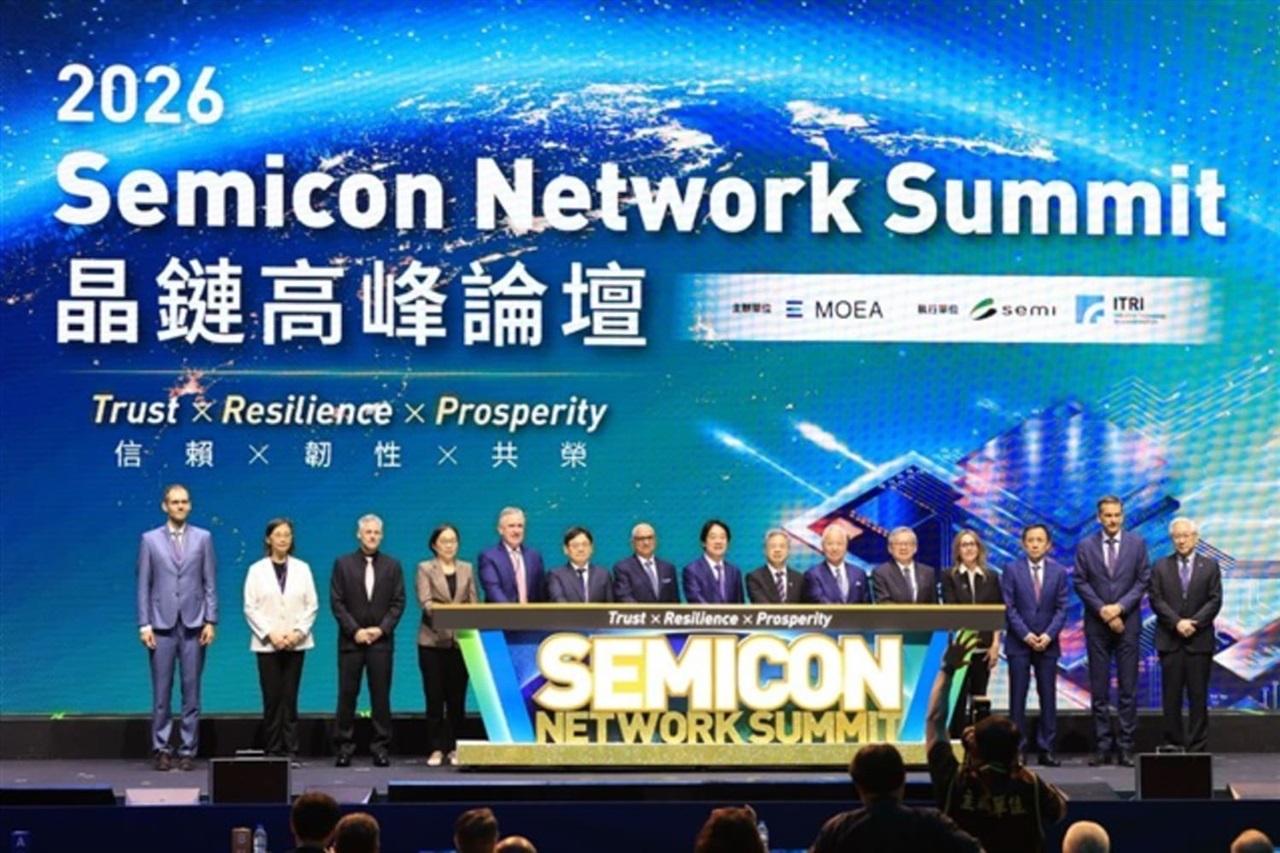
Speaking at a forum hosted by Taiwan’s Ministry of Economic Affairs in Taipei on September 1, Andy McLean, CEO of the UK Semiconductor Center, said the UK is eager to learn how Taiwan developed such a powerful and resilient semiconductor ecosystem.
Taiwan has become one of the most important hubs in the global chip industry, playing a critical role in everything from smartphones and electric vehicles to artificial intelligence, data centers, defense systems, and advanced manufacturing. Its success did not happen by chance. Instead, it was built over decades through a combination of strong government policy, deep technical expertise, close cooperation between companies and universities, and a long-term commitment from major industry players.
One of the main lessons the UK appears interested in is how Taiwan created an environment where semiconductor companies could grow, innovate, and compete internationally. Taiwan’s chip sector benefits from strong links between industry, academic institutions, and research organizations. This collaboration helps turn scientific research into commercial technology more efficiently, while also supporting a steady pipeline of skilled engineers and technical talent.
Government support has also played a major role in Taiwan’s semiconductor rise. Strategic policies, investment incentives, infrastructure development, and consistent backing for research and development helped create the conditions needed for the industry to thrive. Rather than focusing only on short-term results, Taiwan’s approach has emphasized long-term planning and global competitiveness.
For the UK, building a stronger semiconductor sector has become increasingly important as countries around the world race to secure reliable chip supplies. Semiconductors are now essential to modern economies, powering key technologies such as artificial intelligence, quantum computing, telecommunications, clean energy systems, and connected devices. As demand continues to rise, nations are looking for ways to reduce supply chain risks and support domestic innovation.
Taiwan’s experience offers valuable insights for countries seeking to grow their own chip industries. Its model shows that success requires more than manufacturing capacity alone. A complete semiconductor ecosystem depends on talent development, research strength, government coordination, private-sector investment, and a clear long-term strategy.
The UK’s interest in Taiwan’s semiconductor journey reflects a broader global trend: advanced chips are now seen as a strategic priority, not just a technology product. By studying Taiwan’s achievements, the UK may be able to shape policies that encourage innovation, attract investment, and support the next generation of semiconductor companies.
As global competition in the chip industry intensifies, Taiwan remains a key example of how focused planning and collaboration can turn a small island economy into a dominant force in one of the world’s most important technology sectors. For the UK, understanding that success story could be an important step toward building a stronger role in the future of semiconductors.