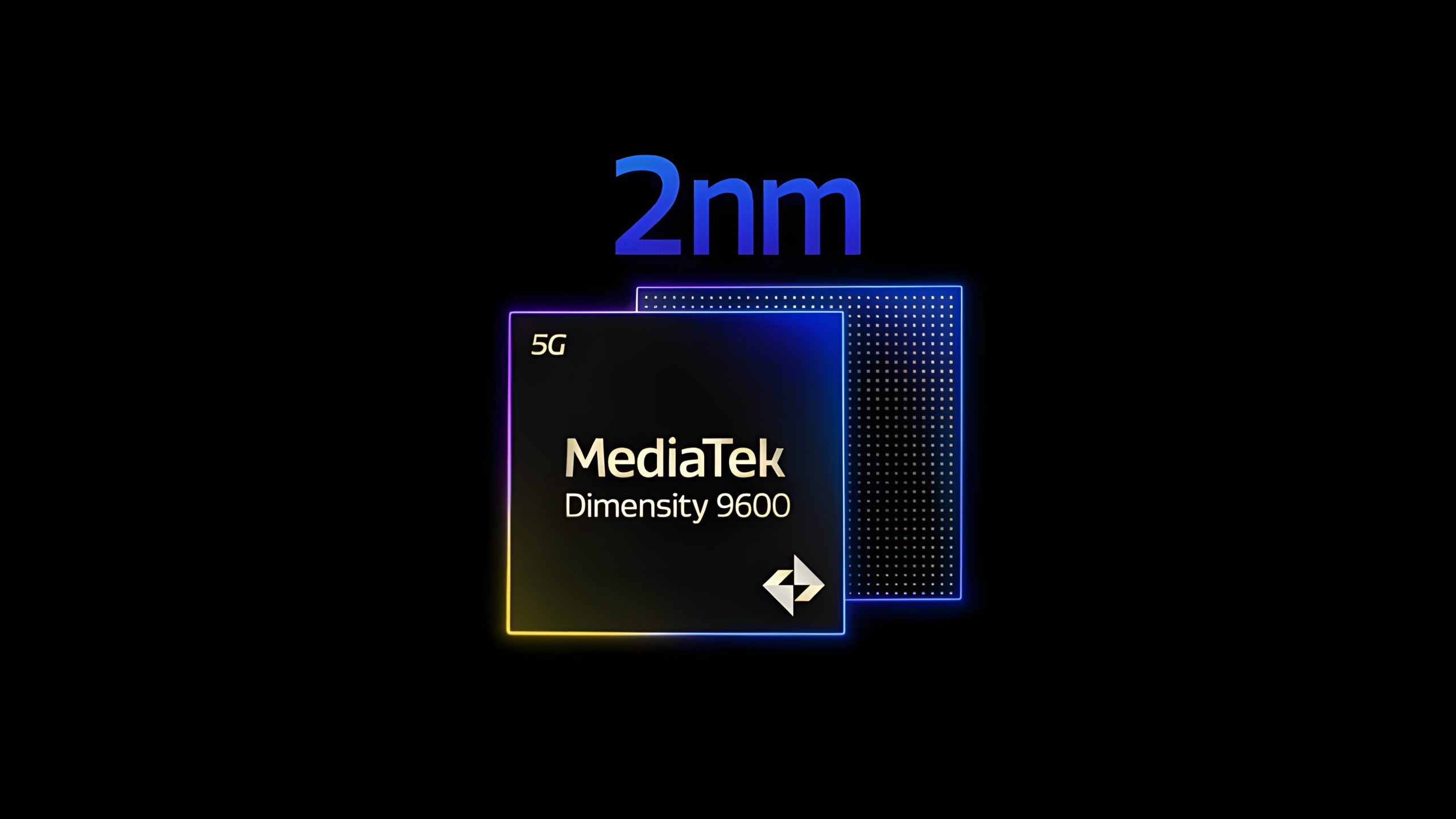
MediaTek still hasn’t officially unveiled its next flagship smartphone processor, the Dimensity 9600, but early chatter suggests it could become a major alternative to Qualcomm’s upcoming top-tier silicon. With Qualcomm reportedly pushing aggressive pricing on its next wave of premium chips, more smartphone brands—especially across Asia—are said to be weighing MediaTek’s newest option for their highest-end devices.
A new claim from well-known Weibo tipster Digital Chat Station points to a notable shift: the next Pro Max-style flagship phones from Oppo and Vivo (if those models launch) may rely on the Dimensity 9600 series rather than Qualcomm’s Snapdragon 8 Elite Gen 6 Pro. In the tipster’s view, Qualcomm’s premium “Pro” chip may be positioned more as a specialized, ultra-high-end imaging-focused platform—implying it could be harder to justify for every top flagship if pricing climbs too high.
That pricing conversation matters because Qualcomm’s Snapdragon 8 Elite Gen 6 Pro is rumored to offer several standout upgrades. Expectations include a faster GPU, support for next-generation LPDDR6 memory, and UFS 5.0 storage compatibility—features that can translate into better gaming performance, quicker app launches, and faster sustained data throughput. The trade-off, according to the same wave of reporting, is cost: these cutting-edge upgrades may come with a steep price tag that could influence how OEMs configure their most expensive phones.
Where the Dimensity 9600 could fight back is manufacturing and efficiency. The chip is expected to be built on TSMC’s N2P process, a refined version of the N2 node. This N2P variant is said to deliver around a 5% performance uplift compared to standard N2. That’s important because the next generation of phone processors is expected to be fiercely competitive not just on raw speed, but on efficiency—how much performance you get without draining the battery or overheating.
Efficiency is a particularly hot topic in light of current flagship design choices. The existing Dimensity 9500 is rumored to lack efficiency cores, a decision that can negatively impact power consumption. At the same time, Apple has been pushing efficiency gains with its A-series chips, focusing on delivering higher performance without increasing power draw. If MediaTek wants the Dimensity 9600 to be a true flagship headliner in premium Android phones, it will likely need to show meaningful gains in sustained performance and battery efficiency, not just benchmark bursts.
Memory technology may also be a key talking point. The Dimensity 9600 is expected to support LPDDR6 RAM, which should offer higher memory bandwidth than LPDDR5. More bandwidth can improve performance in camera processing, AI features, high-refresh-rate gaming, and heavy multitasking. Rumors also suggest Qualcomm’s Snapdragon 8 Elite Gen 6 Pro will support LPDDR6 as well, while the non-Pro version may stick with LPDDR5—potentially widening the gap between Qualcomm’s top two offerings and giving manufacturers more reason to explore alternatives like MediaTek for their most premium models.
If these rumors hold, the next flagship cycle could see more top Android phones split between Qualcomm and MediaTek at the very highest price tiers. For buyers, that could mean more competition, more variety across “Pro” and “Pro Max” devices, and potentially better value as brands decide which chipset best balances performance, camera features, and cost.