Qualcomm’s First 2nm Snapdragon Chips Could Split Flagship Phones Into Two Performance Tiers
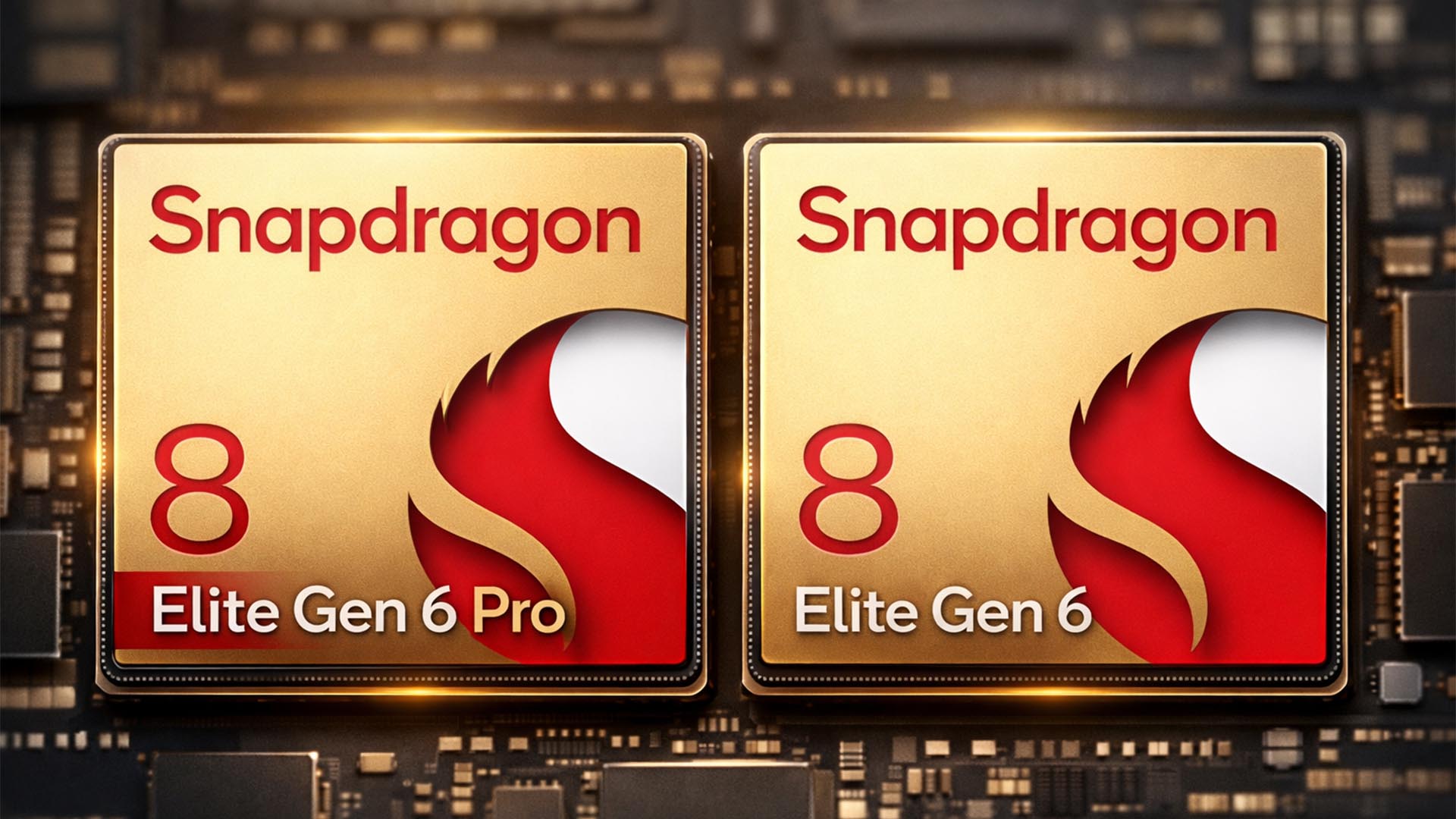
Qualcomm is expected to introduce its first 2nm smartphone chipsets later this year, and early leaks suggest the company may be preparing a clear divide between premium flagship phones and the absolute highest-end models. The rumored Snapdragon 8 Elite Gen 6 Pro and Snapdragon 8 Elite Gen 6 may both use TSMC’s advanced 2nm process, but they are not expected to deliver the same level of performance.
According to information shared by tipster Digital Chat Station, the Snapdragon 8 Elite Gen 6 Pro will be the more powerful option, designed for top-tier Android flagships launching next year. Meanwhile, the standard Snapdragon 8 Elite Gen 6 is said to focus more on balancing speed, heat, and battery efficiency.
Both chipsets are rumored to feature the same 2 + 3 + 3 CPU cluster, but that does not mean they will perform identically. The Pro model is expected to run at higher frequencies, which could give it a noticeable advantage in demanding tasks such as gaming, video editing, AI processing, and heavy multitasking.
However, that extra performance will likely come with higher thermal requirements. The Snapdragon 8 Elite Gen 6 Pro is expected to appear mainly in expensive flagship smartphones with advanced cooling systems, allowing manufacturers to push the chip harder without causing excessive heat or throttling.
The standard Snapdragon 8 Elite Gen 6, on the other hand, may be tuned for a more practical mix of performance and power consumption. This could make it a strong choice for premium phones that still want flagship-level speed but with better efficiency and potentially longer battery life.
One important detail is that both versions are rumored to include 16MB of shared L2 cache. This could help improve performance, reduce latency, and boost efficiency across both chipsets. Even if the Pro version gets the higher-end features, the standard model may still deliver a strong user experience.
The biggest differences appear to be on the graphics side. The Snapdragon 8 Elite Gen 6 Pro is expected to feature Qualcomm’s Adreno 850 GPU, while the regular Snapdragon 8 Elite Gen 6 may use the Adreno 845. The Pro version is also rumored to include 18MB of GPU memory, compared to 12MB on the standard version.
That extra graphics memory could make the Pro chip better suited for high-end mobile gaming, advanced visual effects, and future AI-driven graphics workloads. If these details are accurate, gamers and power users may want to keep an eye on phones powered by the Snapdragon 8 Elite Gen 6 Pro.
Memory support may be another major difference. The Snapdragon 8 Elite Gen 6 Pro is rumored to be Qualcomm’s first smartphone chip with LPDDR6 RAM support. This next-generation memory could offer higher bandwidth and improved efficiency, helping the chip handle demanding apps and AI features more smoothly.
Smartphone brands may still be able to pair the Pro chip with LPDDR5X RAM to reduce costs, but doing so could limit peak performance. The standard Snapdragon 8 Elite Gen 6 may not support LPDDR6, though it is still expected to work with LPDDR5X memory.
Both chips are also rumored to support UFS 5.0 storage, which should bring faster app loading, quicker file transfers, and improved overall responsiveness compared to older storage standards.
Expected differences between Snapdragon 8 Elite Gen 6 Pro and Snapdragon 8 Elite Gen 6:
Snapdragon 8 Elite Gen 6 Pro:
TSMC 2nm process
2 + 3 + 3 CPU cluster
16MB shared L2 cache
Adreno 850 GPU
18MB GPU memory
LPDDR6 support
LPDDR5X support
UFS 5.0 support
Designed for extreme performance
Snapdragon 8 Elite Gen 6:
TSMC 2nm process
2 + 3 + 3 CPU cluster
16MB shared L2 cache
Adreno 845 GPU
12MB GPU memory
No LPDDR6 support expected
LPDDR5X support
UFS 5.0 support
Designed to balance performance and power efficiency
Qualcomm’s upcoming lineup may not stop with these two 2nm chips. The company is also rumored to be preparing several 3nm chipsets for more affordable high-performance smartphones. These could give phone makers more options across different price ranges while still offering strong speed and efficiency.
One rumored model is the SM8850Q, which may be an updated version of the current flagship platform. Another possible chip, the SM8845 Pro, could arrive as the successor to the Snapdragon 8 Gen 5. It may be marketed as the Snapdragon 8 Gen 6 or possibly the Snapdragon 8 Gen 5 Pro, depending on Qualcomm’s final naming strategy.
If these leaks prove accurate, Qualcomm’s next-generation Snapdragon lineup could be more layered than ever. Instead of one flagship chip powering most premium Android phones, buyers may need to pay closer attention to whether a device uses the standard version or the Pro variant.
For everyday users, the regular Snapdragon 8 Elite Gen 6 may offer more than enough performance while keeping battery life and heat under control. For enthusiasts, gamers, and users who want the fastest Android phone possible, the Snapdragon 8 Elite Gen 6 Pro could become the chip to watch in 2026 flagship devices.
As always with early chipset leaks, specifications may change before launch. Still, the rumored split between the Snapdragon 8 Elite Gen 6 Pro and Snapdragon 8 Elite Gen 6 points to a future where premium Android phones are separated not just by cameras and displays, but by deeper hardware differences under the hood.