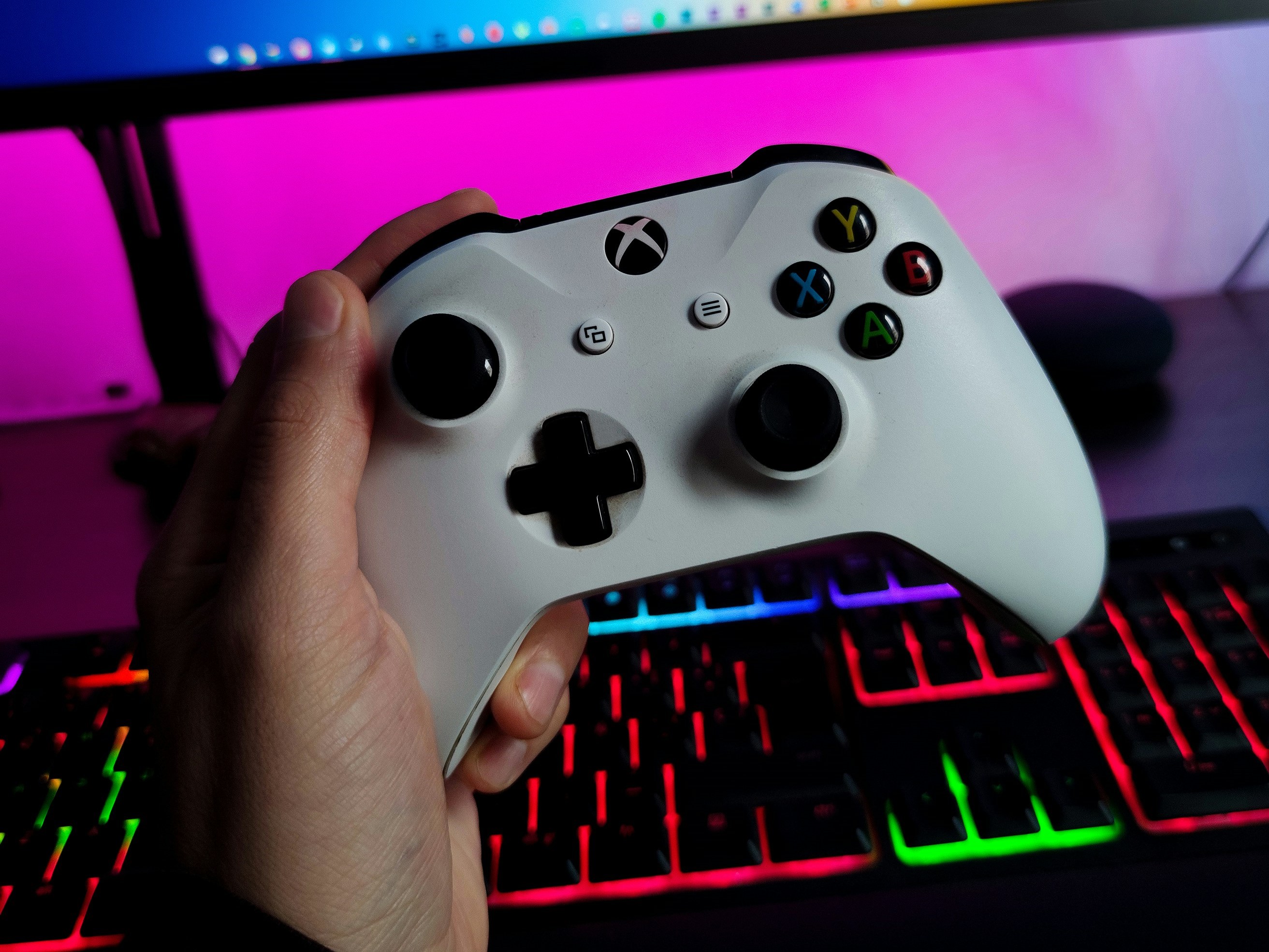
Fresh leaks about Microsoft’s next-generation Xbox, often referred to as Project Helix, have sparked a loud debate across the gaming community. The biggest talking point is the rumored processor choice: instead of a heavily customized, console-only chip, Xbox Helix is said to use a standard, non-custom AMD Magnus APU. In other words, it may rely on an off-the-shelf AMD part that could also be sold to other device makers, opening the door to a larger ecosystem of Windows-based gaming consoles that share similar foundations.
Not everyone loves that idea. For many players, part of the “console magic” is that a system feels purpose-built and uniquely engineered, with hardware tailored specifically for that platform. The concern is that if the next Xbox leans on widely available PC-style silicon, it might feel less distinct—more like a compact gaming PC than a traditional console with bespoke engineering.
A different perspective argues this isn’t the problem some fear it is. The broader console hardware industry has been moving away from exotic, one-off designs for years. Earlier generations experimented with more unusual approaches, but modern game development increasingly favors familiar, scalable architectures that align closely with PC hardware. That shift is largely driven by the realities of building today’s blockbuster games.
AAA production has become extremely expensive and complex, with budgets that can climb into the hundreds of millions of dollars. When hardware is too custom or too different, studios have to spend extra time optimizing, reworking pipelines, and maintaining separate code paths. A more unified architecture—where PC and console technologies share common ground—can reduce development friction and help teams focus on performance, features, and polish rather than wrestling with platform-specific quirks.
This is also where the future of graphics technology seems headed. Console and PC graphics features are increasingly expected to align, with innovations arriving across multiple device categories rather than staying locked to a single box in the living room. If next-gen consoles and desktop GPUs move forward on similar tracks, gamers could see benefits like more consistent feature support, smoother cross-platform performance tuning, and faster adoption of new rendering techniques.
That doesn’t mean next-gen consoles can’t stand out. Even if a core APU is standard, platform holders can still differentiate through targeted, proprietary features. Current consoles already do this in visible ways—whether it’s specialized spatial audio systems, unique storage approaches, or other custom hardware and software solutions that shape the overall experience. So even with a more standardized AMD foundation, Microsoft can still deliver signature Xbox features that matter day-to-day, from how games load to how they sound and how the ecosystem works.
For now, the bigger reality is timing. Both the next Xbox and the PlayStation 6 are still believed to be more than a year away, so anyone looking for a new console immediately is still shopping within today’s lineup. Until the next generation is formally revealed, leaks like the “standard AMD APU” story will continue to fuel speculation—but they also highlight the direction the industry is trending: fewer strange chips, more shared technology, and a stronger emphasis on making games easier to build without sacrificing what makes each console platform feel special.