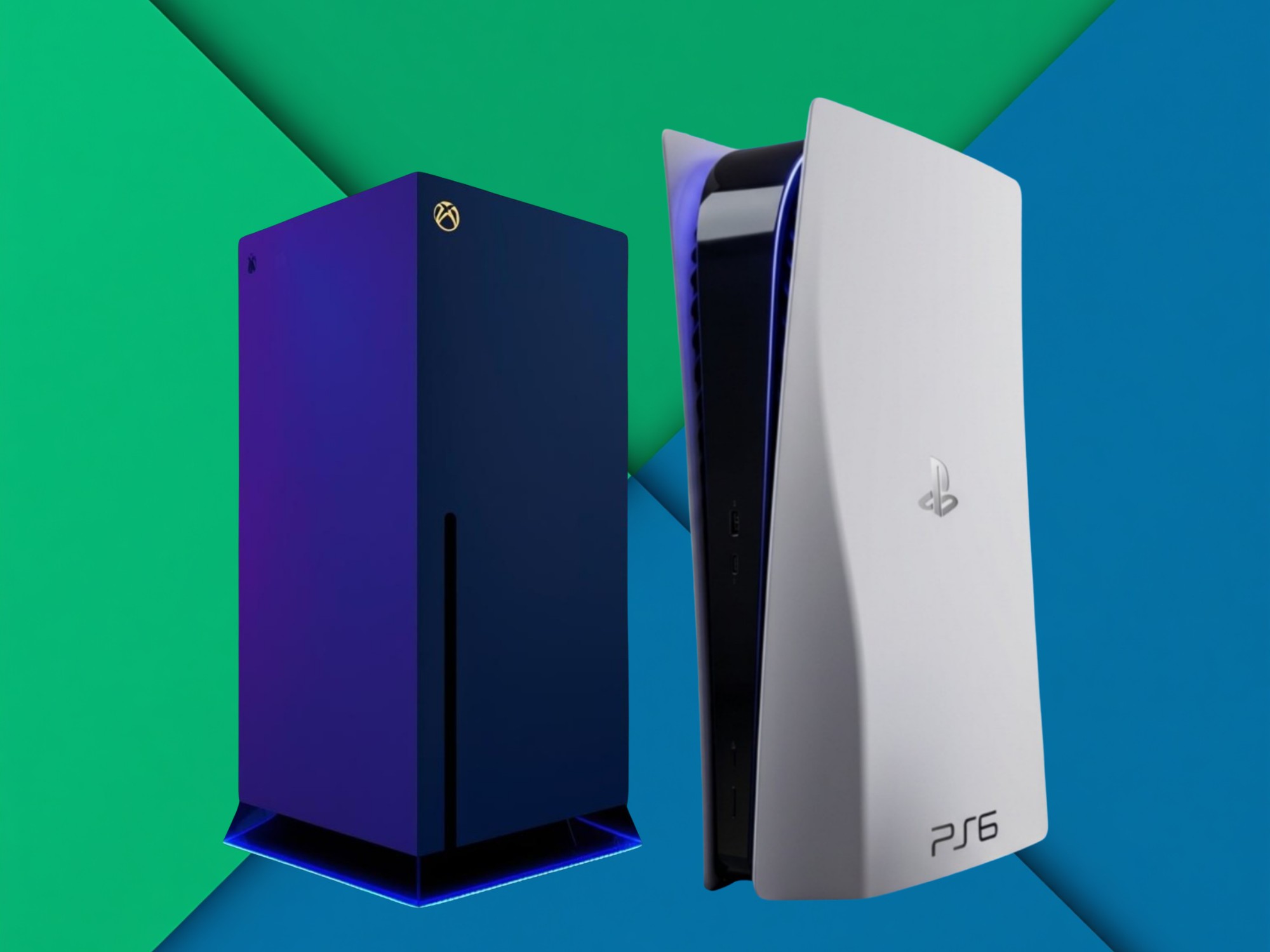
Project Helix and PS6 Could Launch Between $600 and $800 as Analysts Expect RAM Prices to Ease
The next generation of gaming consoles may not be as expensive as many players feared. While rising hardware costs and ongoing memory shortages have fueled concerns about sky-high prices for Sony and Microsoft’s future systems, a new market analysis suggests the PlayStation 6 and Microsoft’s rumored Project Helix could arrive in a more realistic price range.
According to forecasts from S&P Global Market Intelligence Kagan, the next Xbox and PlayStation consoles could launch somewhere between $600 and $800, assuming the current component crisis improves before their expected release window.
That estimate is still higher than what many gamers paid at the start of the current console generation, but it may be less alarming than earlier speculation. With the price of existing consoles already climbing, some analysts and fans had feared that next-generation gaming hardware could push well beyond the $800 mark.
Console sales are under pressure
The console market is facing a difficult period. Analyst Neil Barbour expects console shipments in 2026 to fall to around 33.9 million units, marking a 19.5% decline compared with the previous year.
Several factors are contributing to the slowdown. Higher manufacturing costs, expensive memory components, and fewer must-have exclusive games have all made it harder for console makers to maintain strong sales momentum. If these challenges continue, the market could remain weak through 2027.
That makes the launch of next-generation hardware especially important. Sony and Microsoft will need their new consoles to reignite consumer interest, deliver meaningful performance upgrades, and arrive at prices that feel acceptable to mainstream players.
RAM and storage prices could shape PS6 and Project Helix pricing
One of the biggest factors behind future console pricing is memory. RAM and storage costs have been volatile, partly due to high demand from artificial intelligence data centers and other industries.
S&P Global Market Intelligence expects conditions to improve later in the decade. The firm’s forecast assumes that by 2028, component shortages will ease enough for Sony and Microsoft to release new gaming systems in the $600 to $800 range.
That timing lines up with what many industry watchers have expected. The PlayStation 6 and Microsoft’s Project Helix are widely believed to be targeting a 2027 or 2028 launch window, though neither company has confirmed final release plans.
If memory prices stabilize in time, both companies may have more flexibility to build powerful consoles without making them unaffordable for a large portion of the gaming audience.
PS6 sales could help revive the console market
The forecast suggests that next-generation hardware could help the console business recover after its expected low point. By 2030, overall console shipments could climb to around 37.4 million units.
For Sony, the PlayStation 6 could play a major role in that rebound. Barbour estimates that Sony could sell around 4 million PS6 units in 2028, with cumulative sales potentially reaching 17.2 million by 2030.
Those numbers would depend heavily on the PS6 price, launch lineup, availability, and whether Sony can convince current PS5 owners that upgrading is worthwhile. A strong collection of exclusive games and clear technical improvements will likely be essential.
Project Helix remains a major unknown
Microsoft’s next Xbox hardware is harder to predict. Project Helix is rumored to be a more premium device and may share similarities with gaming PCs. That has led to speculation that it could be more expensive than a traditional console.
Microsoft has previously described its future hardware direction as premium, while also suggesting that innovation could help serve different budgets. This leaves room for several possibilities, including a high-end Xbox device, multiple hardware tiers, or a hybrid approach that bridges console and PC gaming.
If Project Helix is not heavily subsidized, its price could rise above what console players are used to paying. That may be a risk for Microsoft, especially as the company works to balance hardware sales, cloud gaming, Game Pass, and its growing multiplatform strategy.
Gamers may still be skeptical
Even with a more optimistic forecast, many players may find the $600 to $800 estimate hard to accept. Current console pricing has already moved upward. The digital PS5 has reached $599 in some markets, while the Xbox Series X has also seen notable price increases.
Because of that, it may seem unlikely that next-generation consoles with better processors, stronger graphics performance, faster storage, and more advanced features would launch at similar prices. Unless component costs fall significantly, Sony and Microsoft may face tough decisions about performance targets and profit margins.
There is also no guarantee that RAM prices will drop quickly. Major memory manufacturers are increasing production, but much of the industry’s attention remains focused on High Bandwidth Memory for AI servers. If AI-related demand continues to dominate supply chains, gaming hardware could remain under pricing pressure.
A crucial generation for Sony and Microsoft
The PlayStation 6 and Project Helix may arrive at one of the most important moments in the history of the console market. Players are keeping their systems longer, game development costs are rising, and the line between console, PC, and cloud gaming continues to blur.
For Sony, the PS6 must prove that dedicated gaming hardware still offers a major advantage over other platforms. For Microsoft, Project Helix may need to redefine what an Xbox console can be while still offering value to traditional console buyers.
If the $600 to $800 pricing forecast proves accurate, both systems could land in a premium but still realistic range. However, success will depend on more than price alone. Performance, exclusive games, backward compatibility, subscriptions, and long-term value will all shape how players respond when the next generation finally arrives.