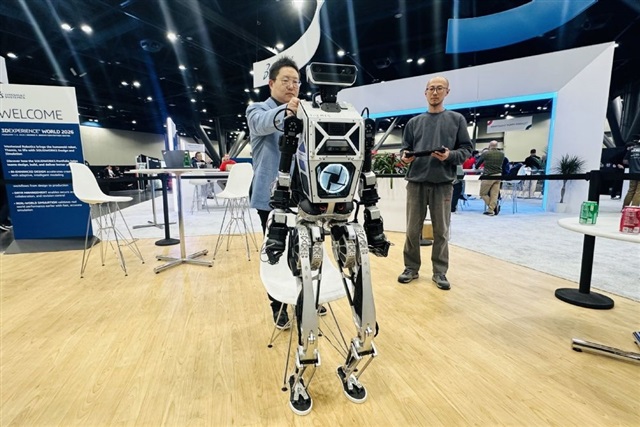
As artificial intelligence races forward in 2026, a new wave is taking shape that could redefine how we interact with technology every day: agent AI. Industry watchers increasingly expect the agent AI sector to surge sharply this year, fueled by rapid advances in large language models, better on-device processing, and growing demand for AI that can actually take action—not just generate text or images.
At the same time, another major shift is becoming impossible to ignore. Generative AI is moving beyond screens and chat windows and heading into the real world through physical AI deployment. Instead of limiting GenAI to writing, summarizing, or creating digital content, companies are pushing it into devices and machines that can sense, decide, and act in physical environments. Think robots, smart factory systems, autonomous logistics, retail automation, and next-generation consumer devices that can understand context and carry out tasks on your behalf.
Since the beginning of the year, major tech players have been forming strategic partnerships and expanding initiatives that signal a clear commitment to physical AI. The goal is straightforward: turn GenAI into something operational—AI that doesn’t just “talk,” but can execute workflows, control hardware, and help businesses reduce costs and improve speed. This is why “agentic” systems are becoming such a big deal. Agent AI can plan multi-step actions, use tools, interact with software, coordinate with other agents, and increasingly serve as the brain behind real-world automation.
This pivot toward physical AI is also being driven by competitive pressure. As generative AI features become more common across apps and cloud platforms, companies are looking for the next differentiator. Putting AI into robots, industrial systems, and edge devices creates new markets, stronger product lock-in, and measurable business outcomes—especially in industries like manufacturing, warehousing, healthcare, and transportation.
For consumers, that could translate into smarter home and personal devices that do more than answer questions. For businesses, it signals a future where AI agents manage scheduling, procurement, customer service workflows, quality inspection, and even parts of supply chain operations—while physical AI systems handle the hands-on execution.
With the agent AI boom expected to accelerate through 2026 and big players clearly doubling down on physical AI, the message is clear: the next phase of GenAI won’t be confined to digital experiences. It’s moving into the physical world, and the companies building for that shift now are positioning themselves for the next major leap in AI adoption.