Rising prices for essential smartphone components, especially memory, are starting to ripple through the entire mobile industry. As the cost of key upstream parts climbs, global smartphone shipments are feeling the pressure, with many brands facing tighter margins and more cautious consumer demand. To stay competitive, manufacturers are rethinking their product strategies, supply planning, and even which devices they prioritize in the market.
One of the biggest shifts is happening behind the scenes: smartphone brands are increasing their memory inventory. With memory pricing moving upward, companies are working to secure supply earlier and in larger volumes to avoid future cost spikes and potential shortages. This kind of inventory strategy can help stabilize production, but it also signals that brands expect component costs to remain unpredictable in the near term.
At the same time, phone makers are adjusting what they sell, not just how they build it. Many are raising the share of mid-range and high-end models in their lineups. The reasoning is simple: premium devices typically offer better profit margins, and consumers who are still willing to upgrade often gravitate toward higher-value models with more advanced features. By leaning into mid-to-high-end phones, brands can offset weaker demand at the low end while protecting revenue per device.
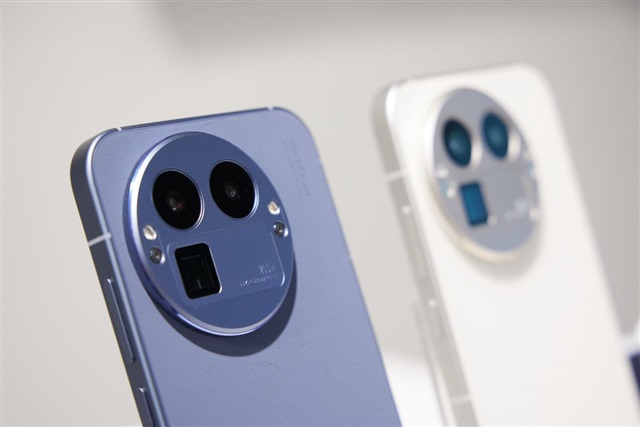
Another notable trend is the international push of China-only flagship smartphones. Devices that once launched exclusively in China are increasingly being expanded to overseas markets. This expansion helps brands unlock new growth opportunities and spread business risk across regions, especially when domestic competition is intense and global shipment numbers are under strain.
But perhaps the most important strategic pivot is happening beyond smartphones. To counter slower phone shipments, brands are accelerating sales of wearable devices. Smartwatches, fitness trackers, earbuds, and other wearables have become a powerful way to keep consumers engaged within an ecosystem while generating additional revenue streams. For many brands, wearables aren’t just accessories anymore—they’re becoming a core part of the business plan, especially when smartphone growth is no longer guaranteed.
This combination of rising component prices and shifting consumer behavior is pushing the industry into a new phase. Brands are balancing inventory decisions, premium-focused product mixes, broader flagship availability, and stronger wearable device sales to stay resilient. For consumers, this could mean more emphasis on feature-rich mid-range and premium phones, wider availability of flagship models globally, and an even bigger push toward wearables as must-have companions to smartphones.